My wife Anna and I spent Christmas and New Year travelling around the Baltic states. Vilnius (Lithuania), Riga (Latvia), Tallinn (Estonia) and Helsinki (Finland) – you have to be a little crazy to travel there in winter. It was a journey that took us further and further north. It was dark and cold, but it was still one of the most beautiful trips we’ve taken in recent years and a good opportunity to take a look at the Jewish heritage there.
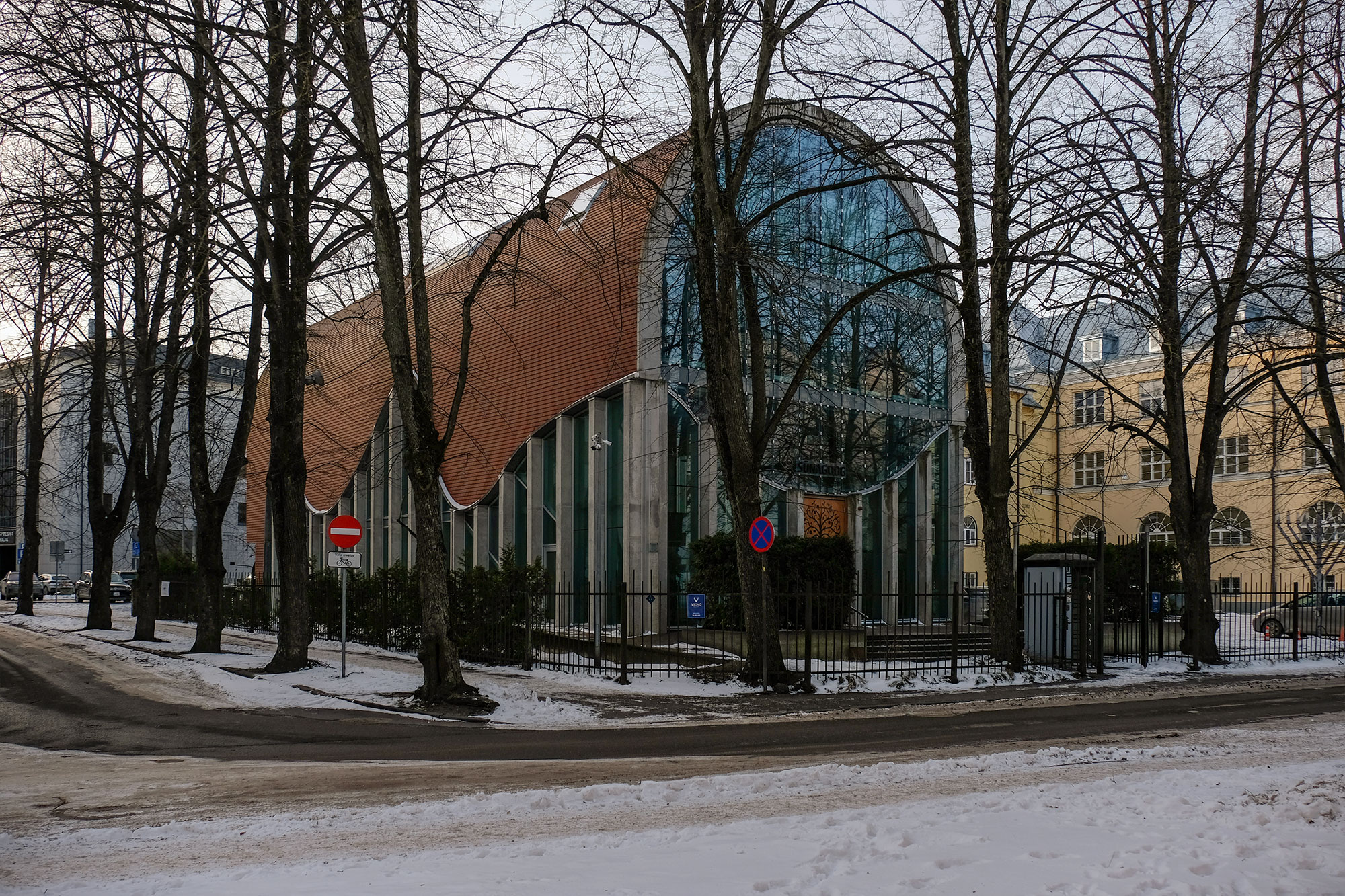
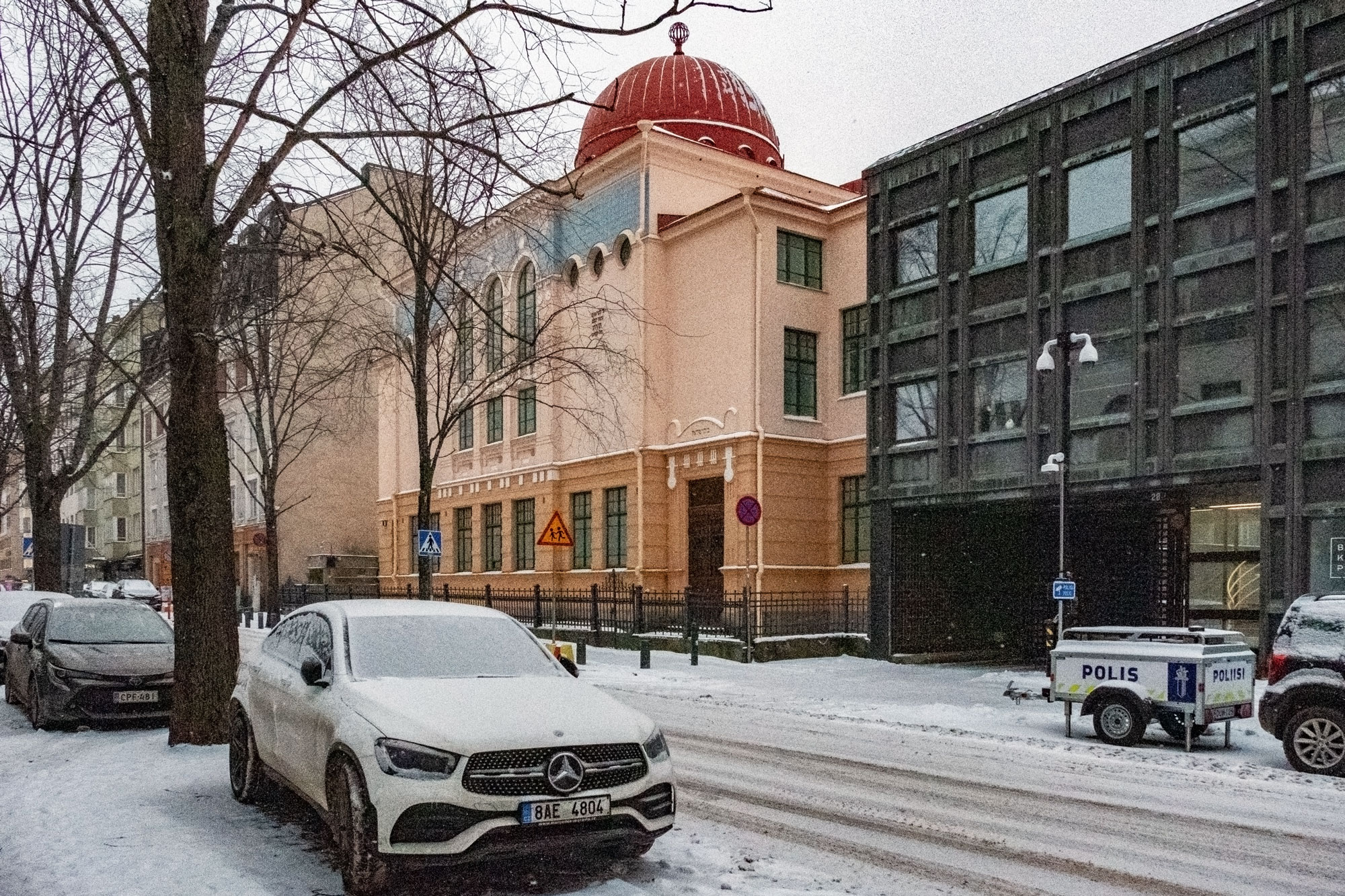
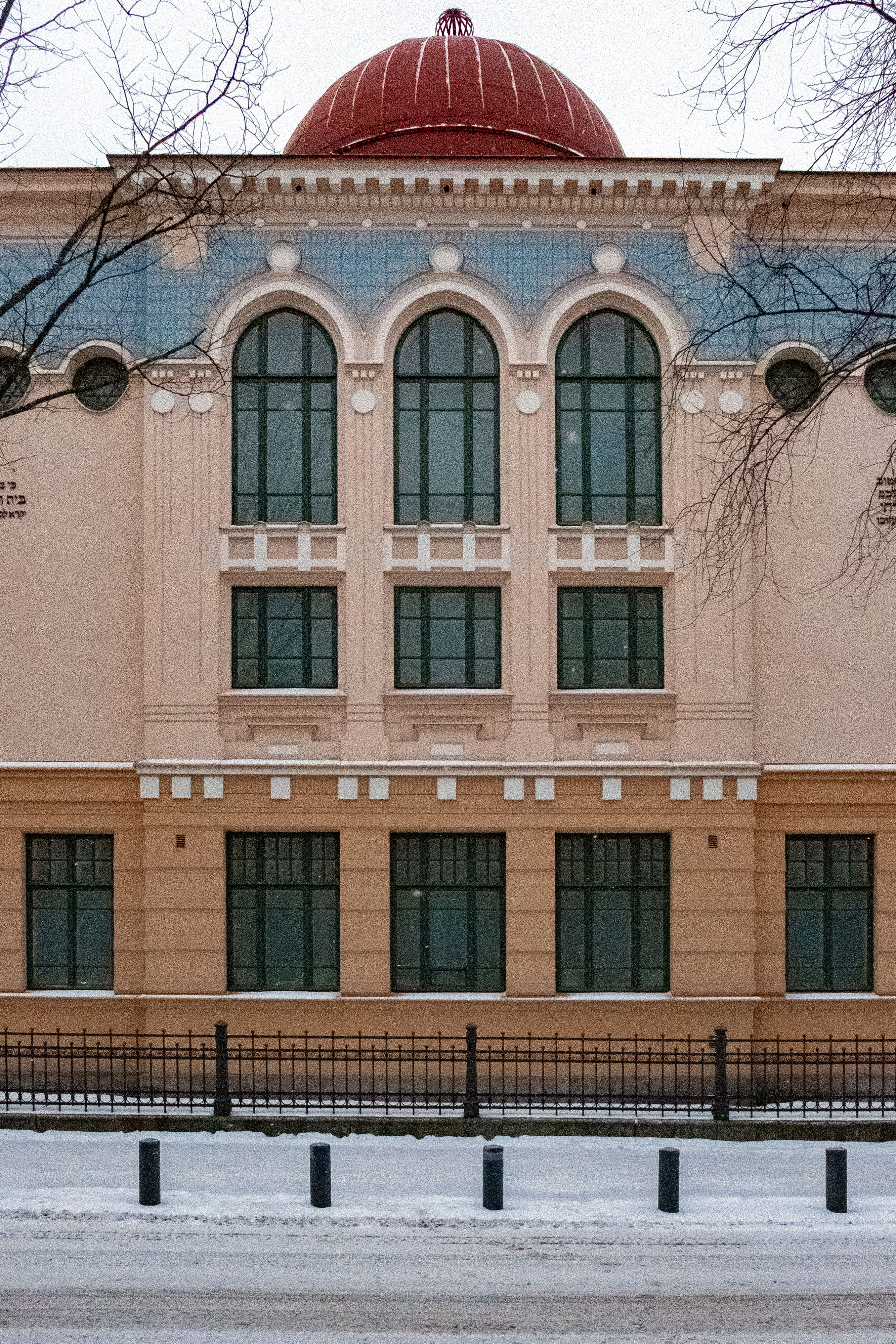
To say it up front: Vilnius, Riga, Tallinn and Helsinki are beautiful and definitely worth a visit. Vilnius with its Baroque churches, Riga with its imposing Art Nouveau buildings, Tallinn with its medieval city centre and modern Helsinki with its fabulous museums – all of these are worth seeing and enjoying. But there are better sources for that than my blog. This is about Jewish heritage.
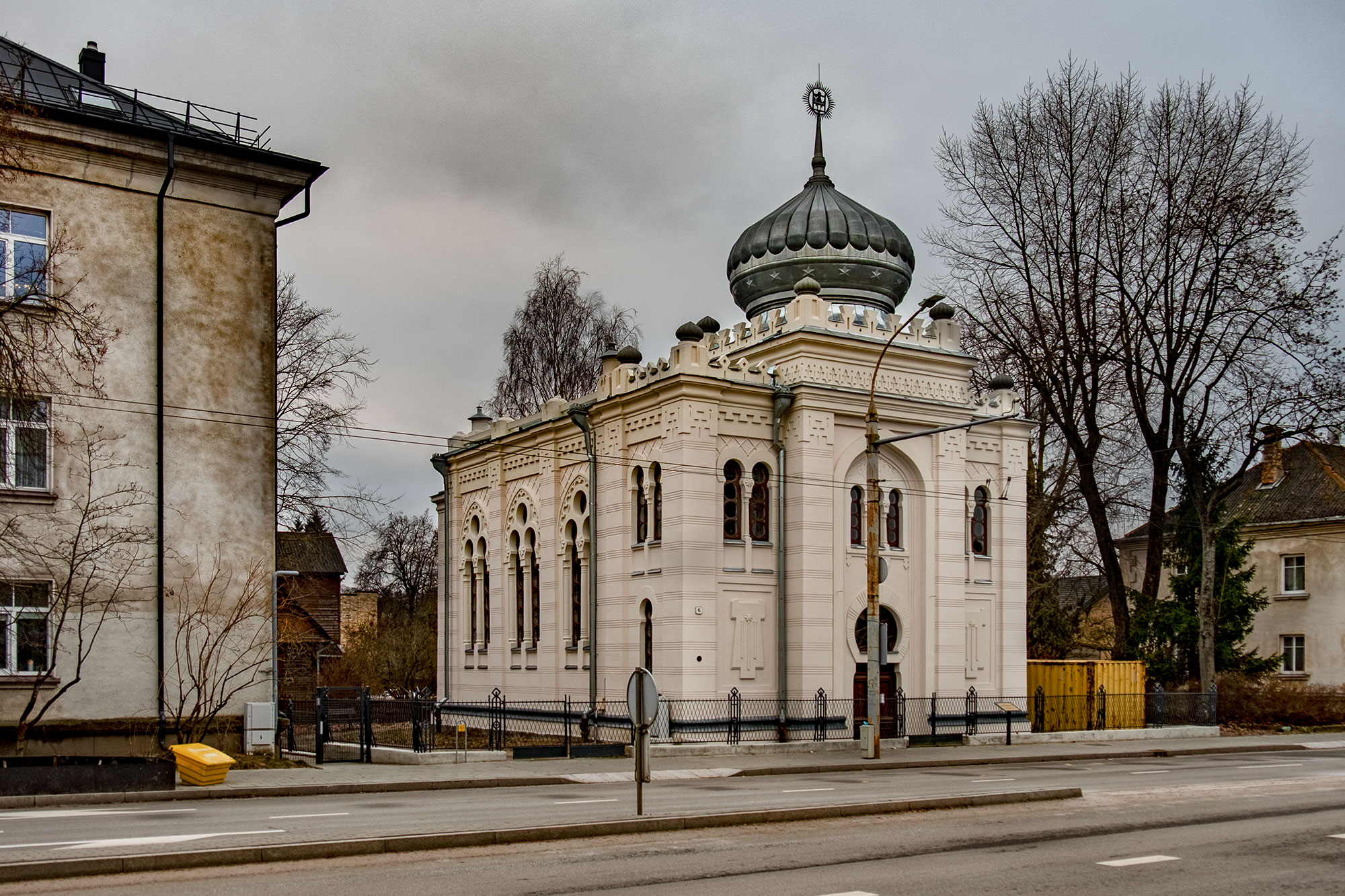
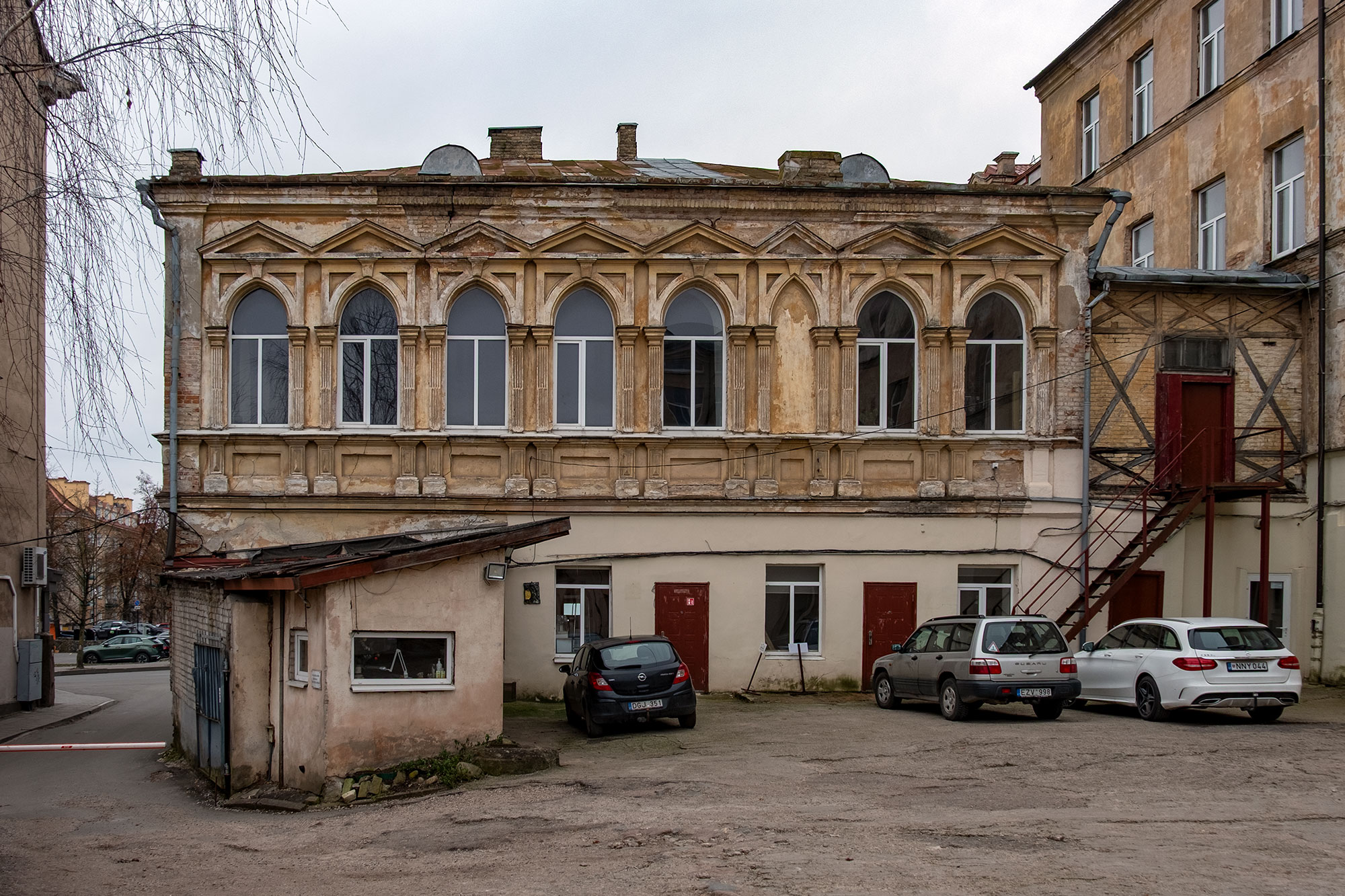
I have explored Vilnius several times. Of all the cities we visited during this trip, it is the most Jewish. Some things have remained unchanged since our last visit – such as the Kloyz in the Jewish Almshouse. It is still a gym. But progress has been made in other areas. The Soviet-era building, which was erected on the foundations of the Great Synagogue blown up by the Germans, has been demolished, allowing for archaeological investigation of the subsoil. The permanent exhibition at the Jewish Museum has been modernised – unfortunately, we were unable to see it because of the holidays. Perhaps the most striking example of the progress made in preserving Jewish heritage is the Kenessa (the Karaite Synagogue). When I last visited the Kenessa in 2022, it was still a site under construction. The building was covered in scaffolding and tarpaulins. Now, it was finally visible again. The restoration is complete and the building has been given a new lease of life. Vilnius is on the right track.
I had also been to Riga before. For me, as a native of Cologne, the city is significant because part of Cologne’s Jewish population was deported to the Riga ghetto – hardly anyone returned from there.
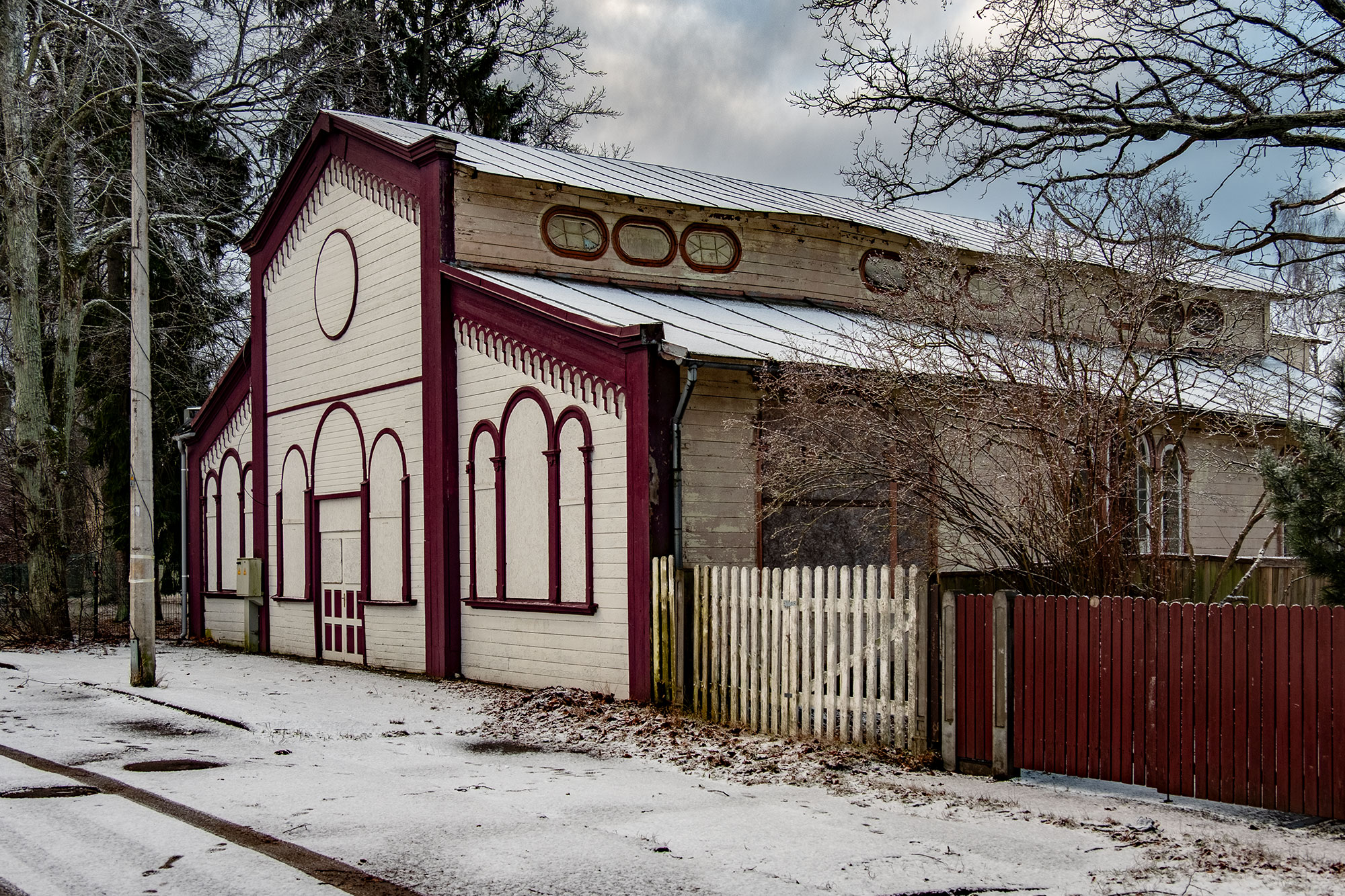
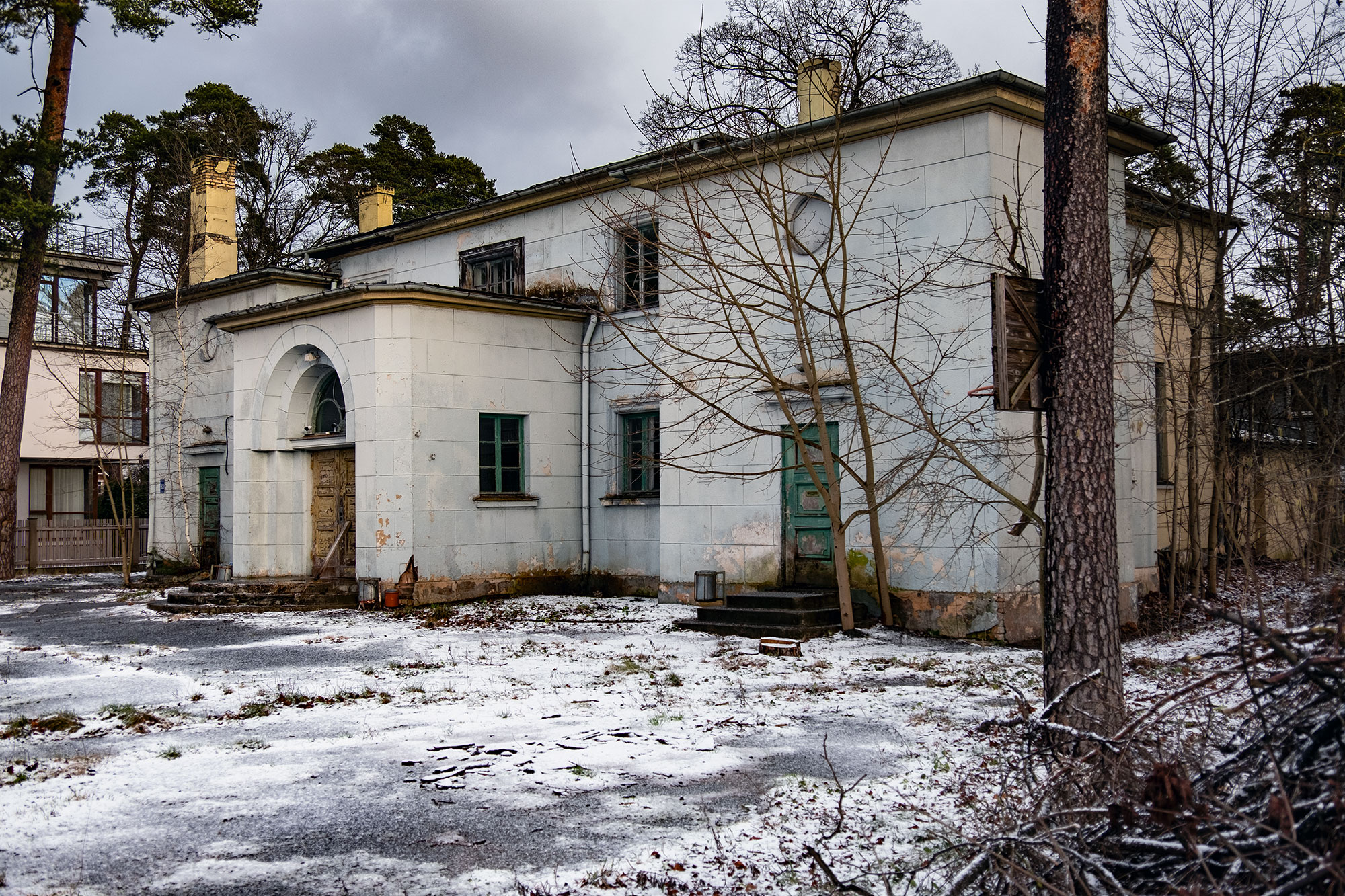
Every visit to Riga includes a visit to Jūrmala, an impressive seaside resort. There are three synagogues there, one of which is back in operation. However, the synagogue has been ‘restored’ in such a way that it is unrecognisable as a historic building. We decided not to visit it. The other two synagogues are abandoned, but they are secured and protected from decay. Both are architecturally interesting. Like many buildings in Jūrmala, the Great Summer Synagogue was built of wood – a rarity, as hardly any wooden synagogues survived the Second World War. The New Synagogue is a fine example of modernism between the world wars. We were walking on the beach when a snowstorm came up. The snow was blowing horizontally through the air, the wind was tearing at our clothes, it was freezing cold – and it was beautiful.
The cold caught up with us in Tallinn. Temperatures dropped to -17°C at night and hardly warmed up during the day. The sun rose at around 9:30 a.m. and had already set again by 3:30 p.m. Nevertheless, we were enchanted by Tallinn. I had been there once before during a conference many years ago, but hadn’t had time to explore it. The city was new territory for us and did not disappoint. Tallinn was outside the Russian Pale of Settlement. Jews were only allowed to settle there with a special permit. The Jewish community was correspondingly small. A synagogue has only been documented since the 19th century, but it did not survive the German occupation. Instead, there is a modern synagogue building, but since we had not registered in advance, we were brusquely sent away.
Helsinki was also outside the Pale of Settlement. Accordingly, the city has left few traces in the collective global Jewish consciousness. This makes it all the more surprising that there is a large, very beautiful and impressive Art Nouveau synagogue. Unfortunately, we found it closed due to the holidays; we would have liked to see it from the inside. The temperature had now dropped to -21°C and an icy wind was blowing.
Our winter journey was remarkable in many ways – not only because of the weather. We used every conceivable means of transport – aeroplane, bus, train, ship. We met friends in almost every city. In Vilnius, we had dinner with our friend Yuliya, with whom I travelled in Belarus and Lithuania. In Riga, we met Katrin Reichelt, who has published important books about people in Ukraine, Belarus, Lithuania and Latvia who saved Jews during the German occupation. In Tallinn, we met my lovely colleague Manfred, but we also got to know the work of Claudia Heinermann, who documented the deportation of people from the Baltic states to Siberia and created impressive photo books from it. So there are many reasons to return.

This work is licensed under a Creative Commons Attribution-NonCommercial-NoDerivatives 4.0 International License.
 Vanished World