Kraków is the city where my interest in Eastern Europe and its Jewish heritage began. I had travelled there more or less by chance. That was almost 30 years ago. Back then, the city was a shock to me – its beauty, its history and my own ignorance of it. Now I’ve been to Kraków again. The city has changed and yet remained the same.
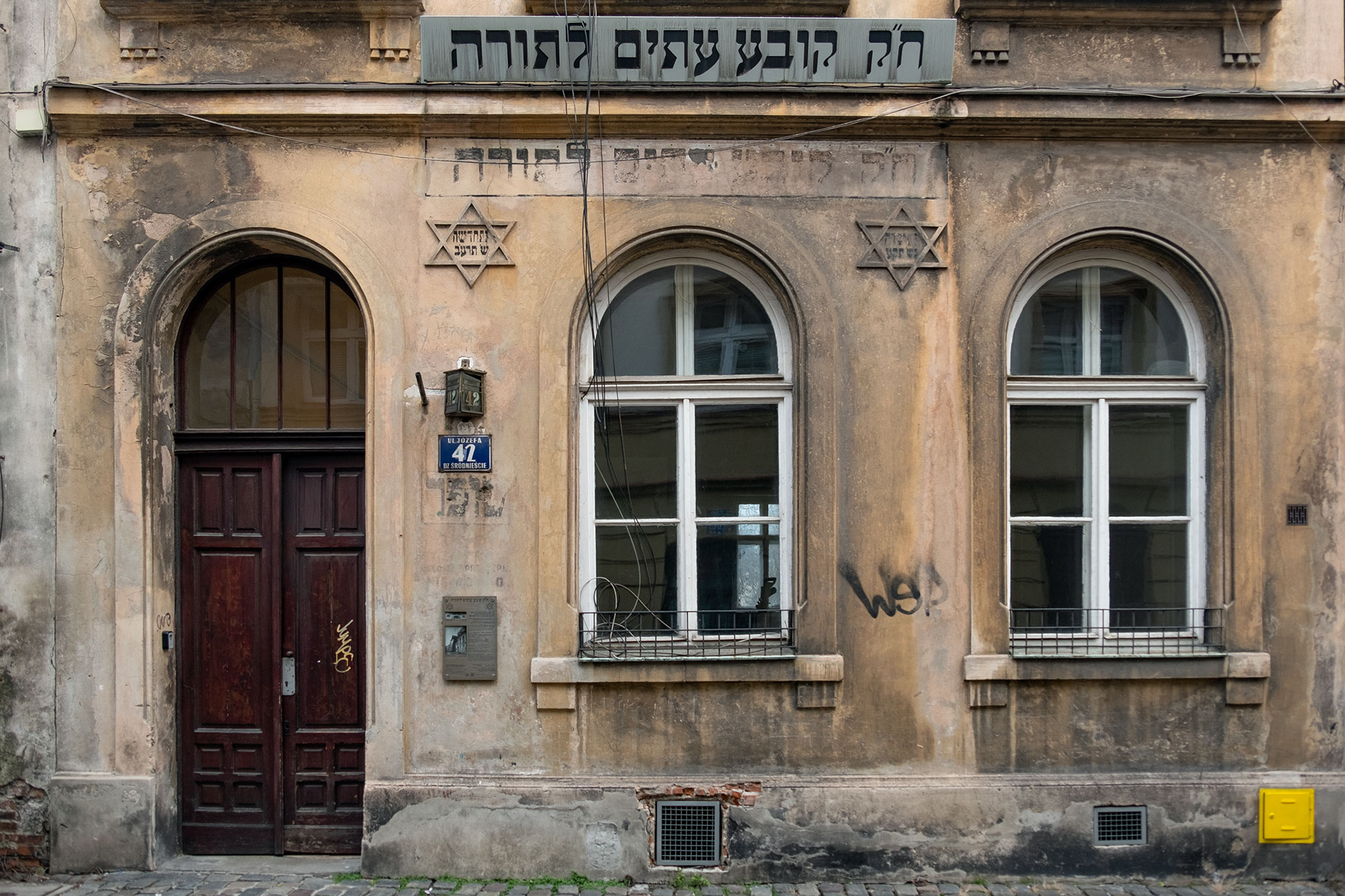
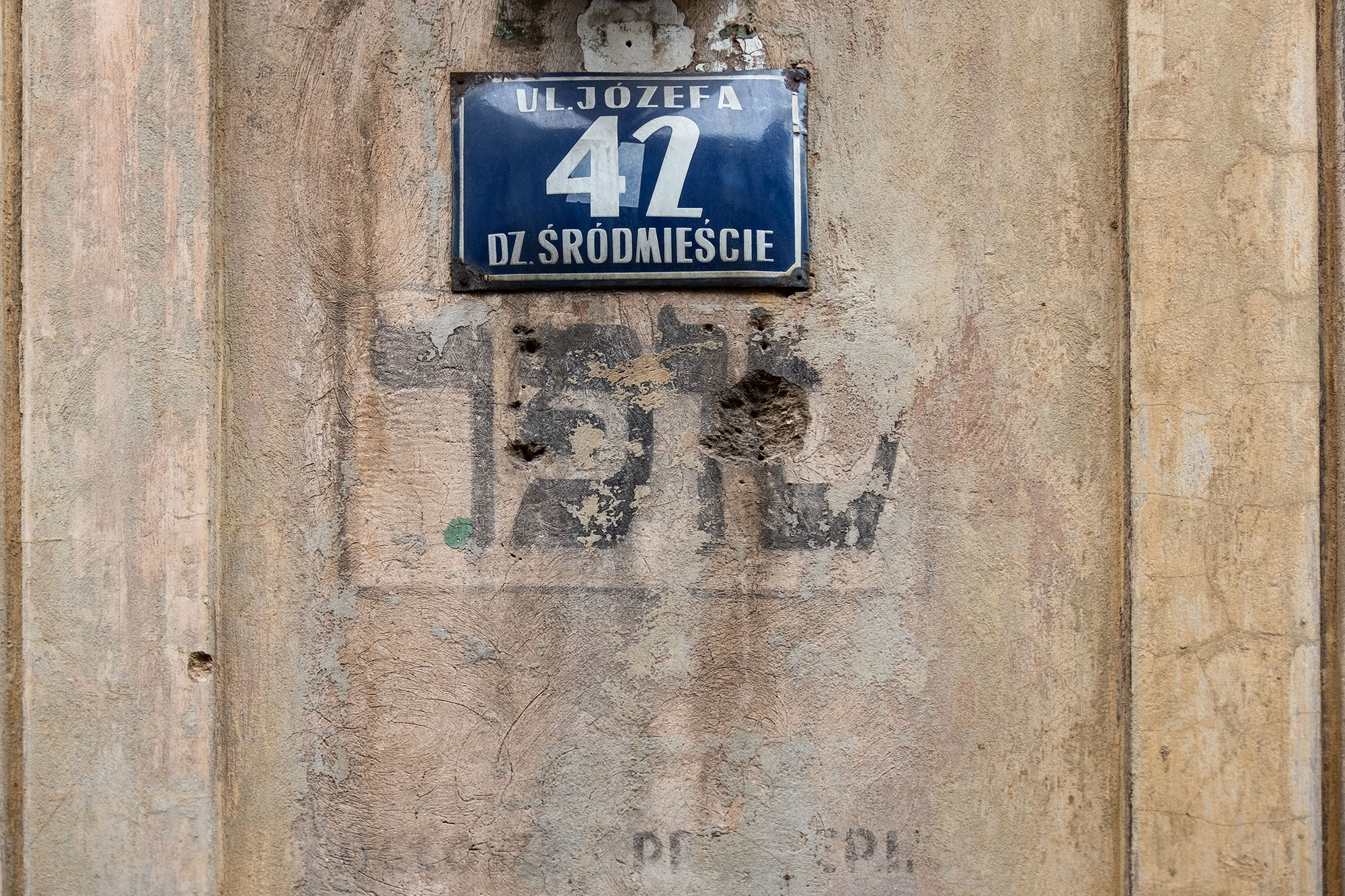
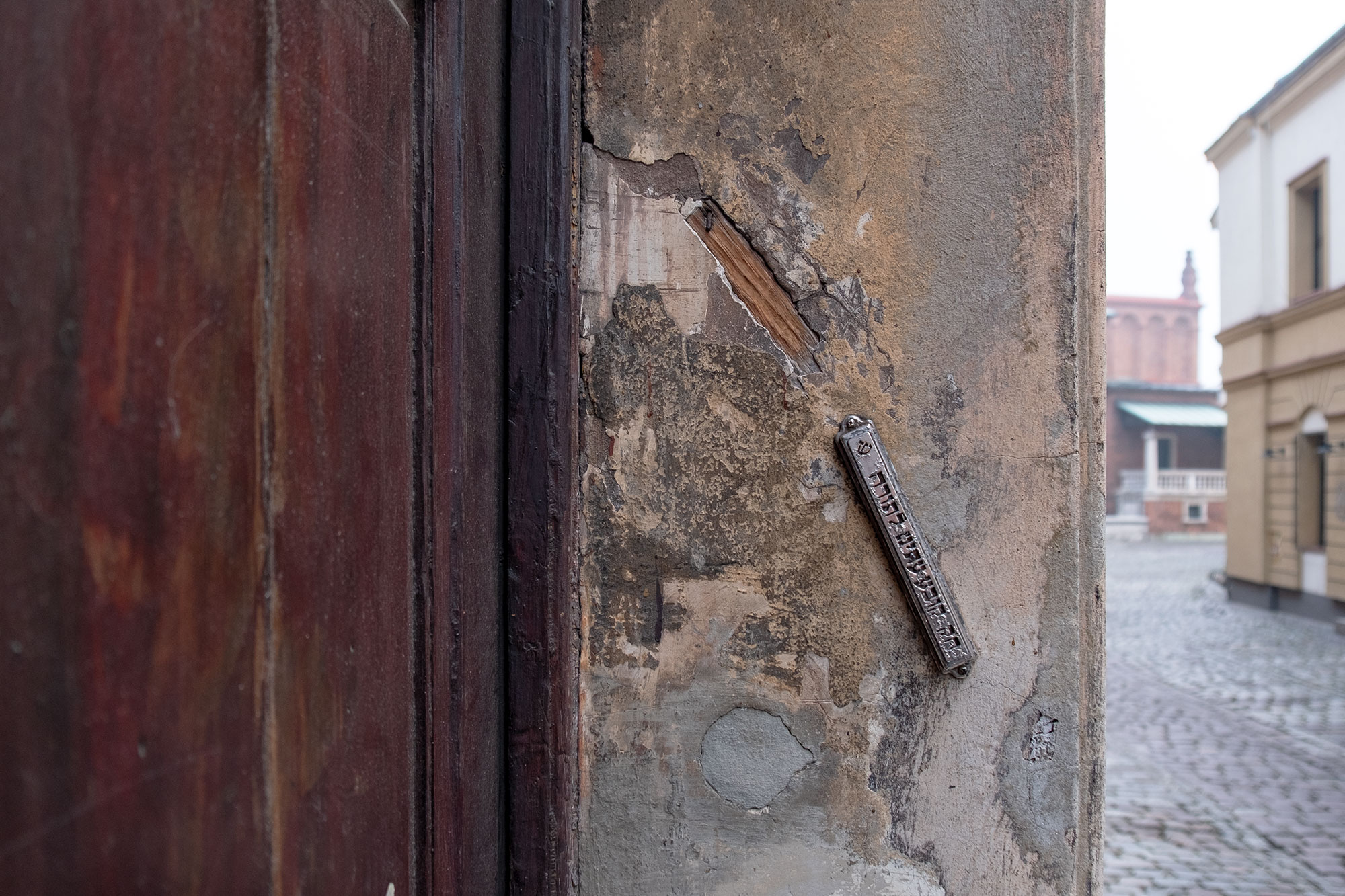
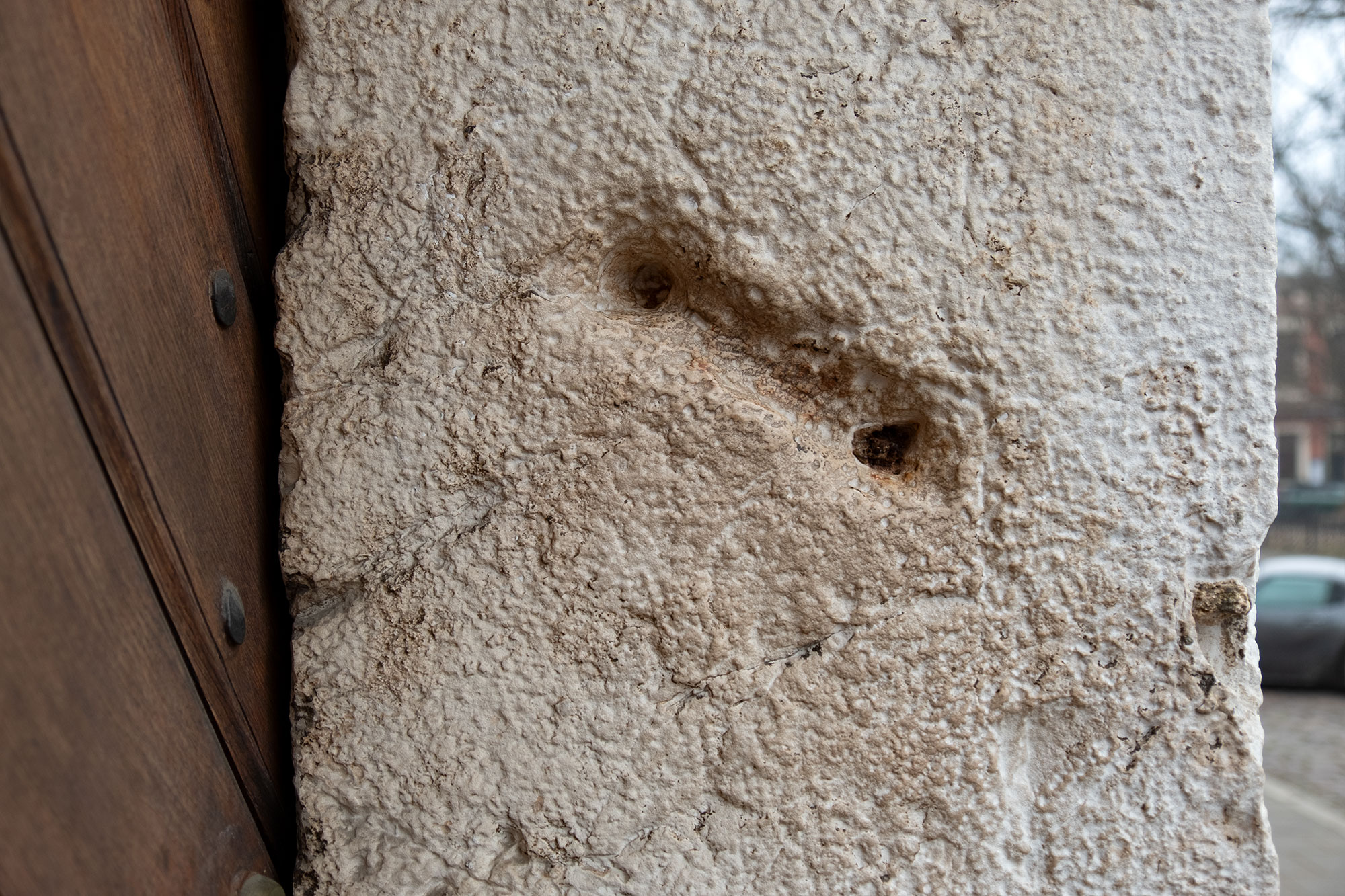
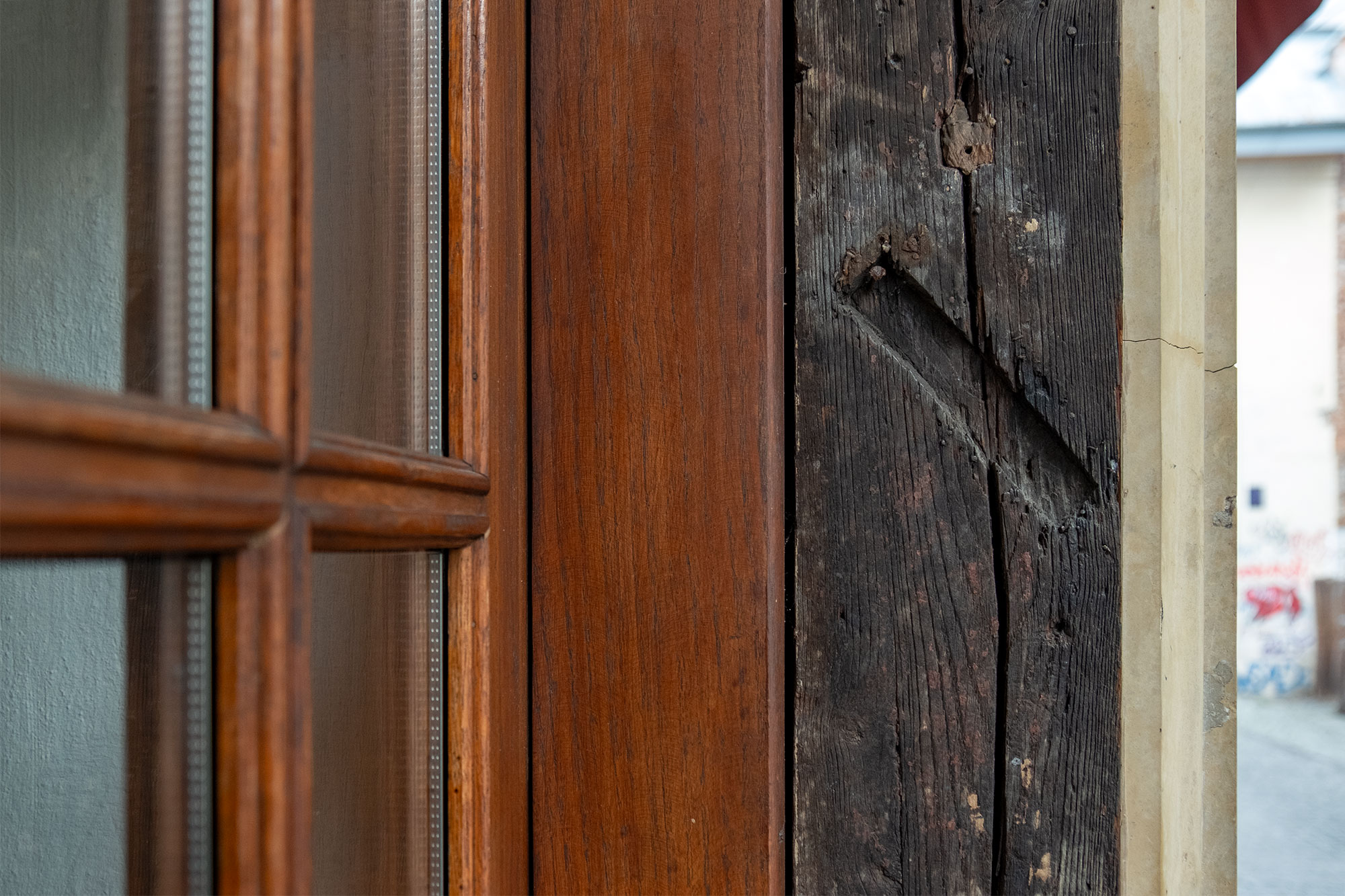
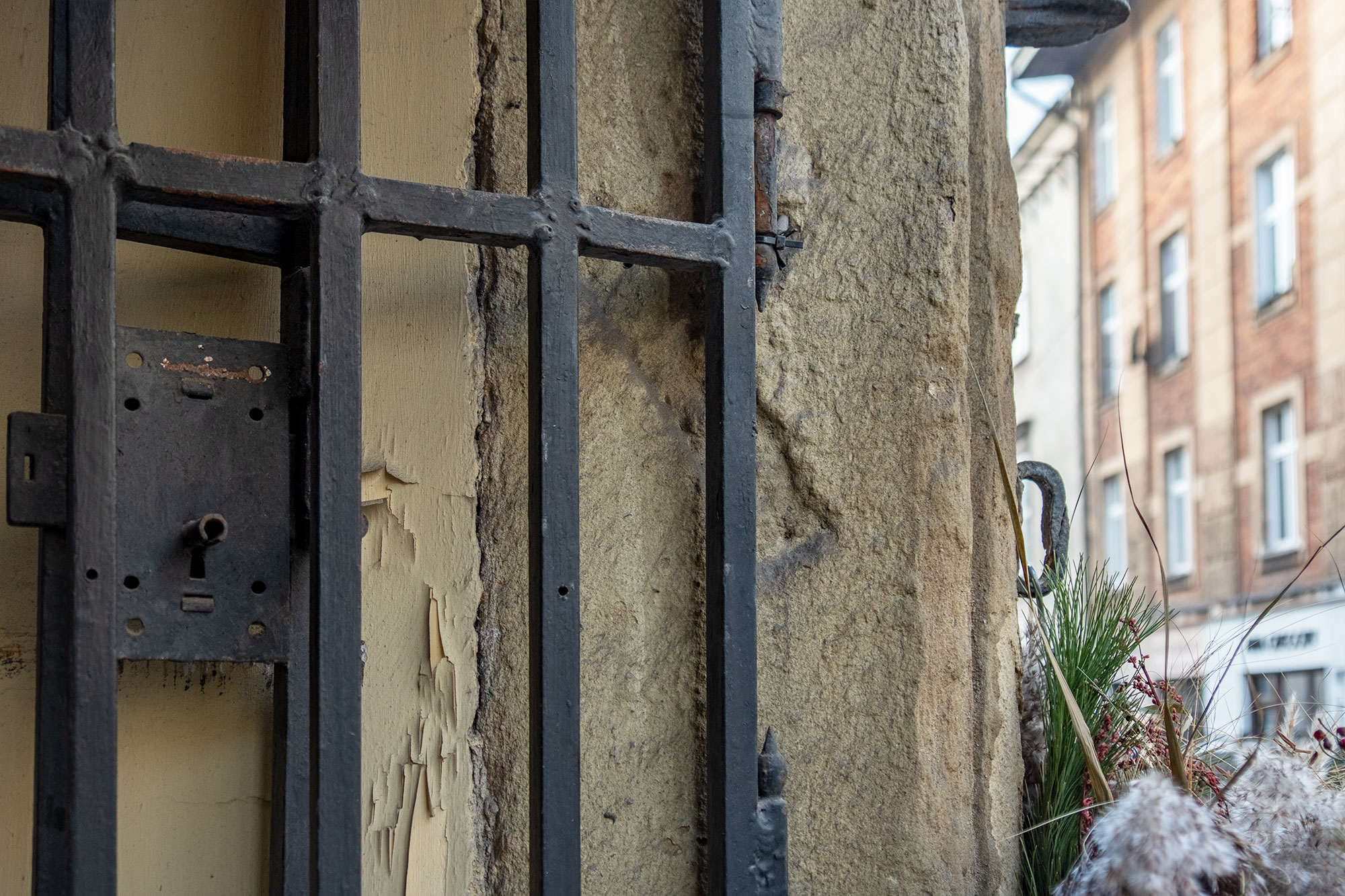
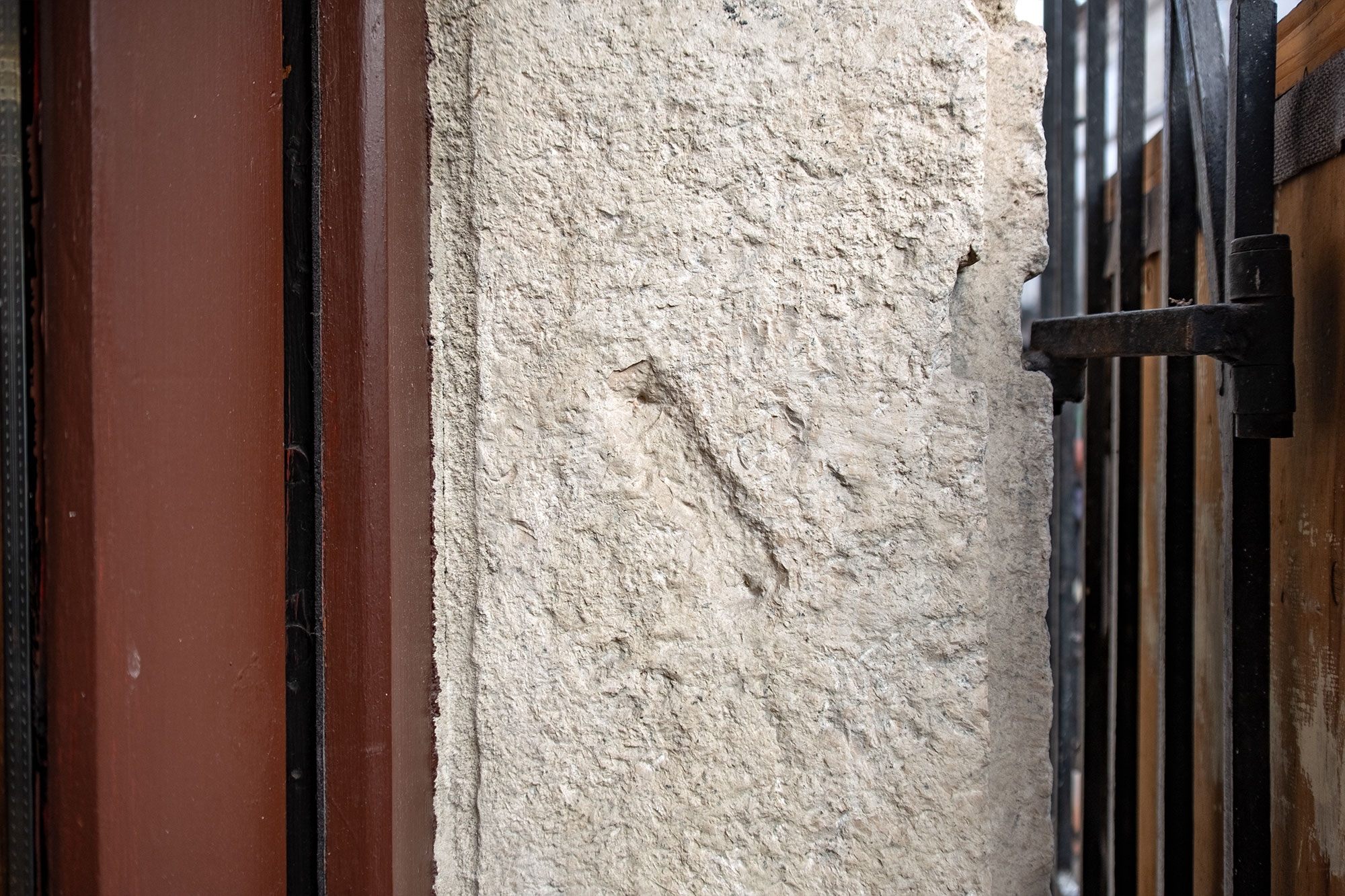
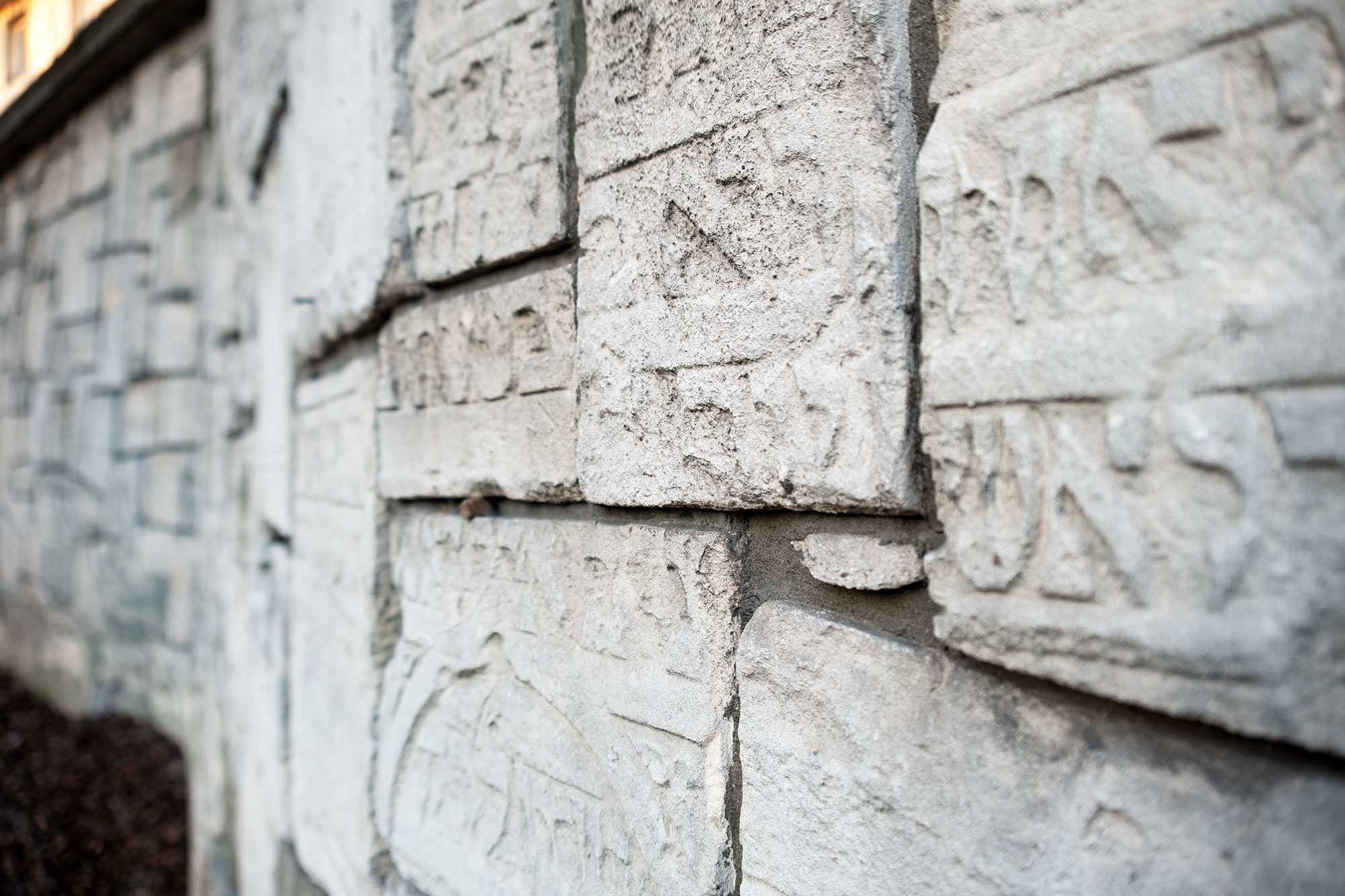
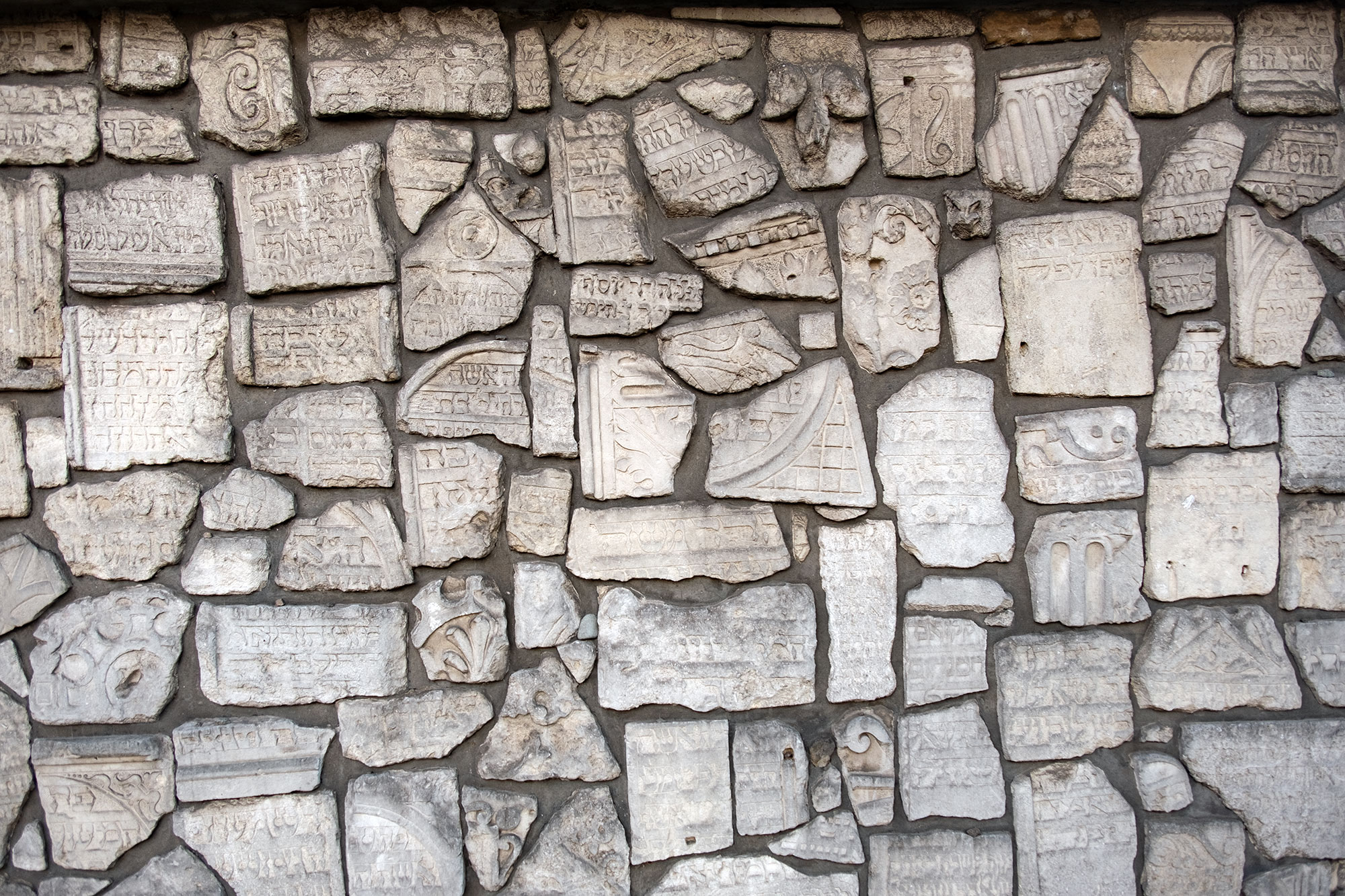
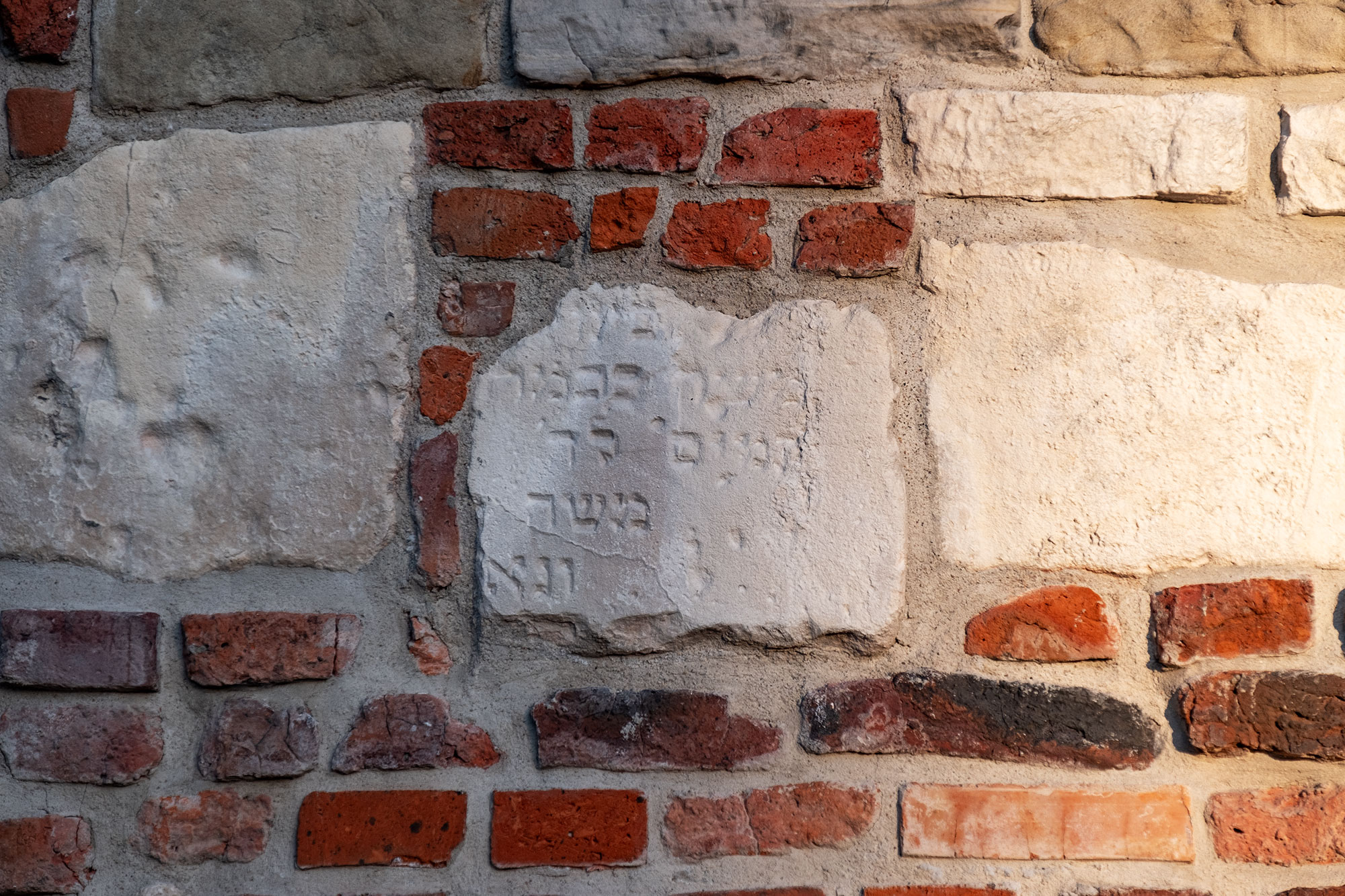
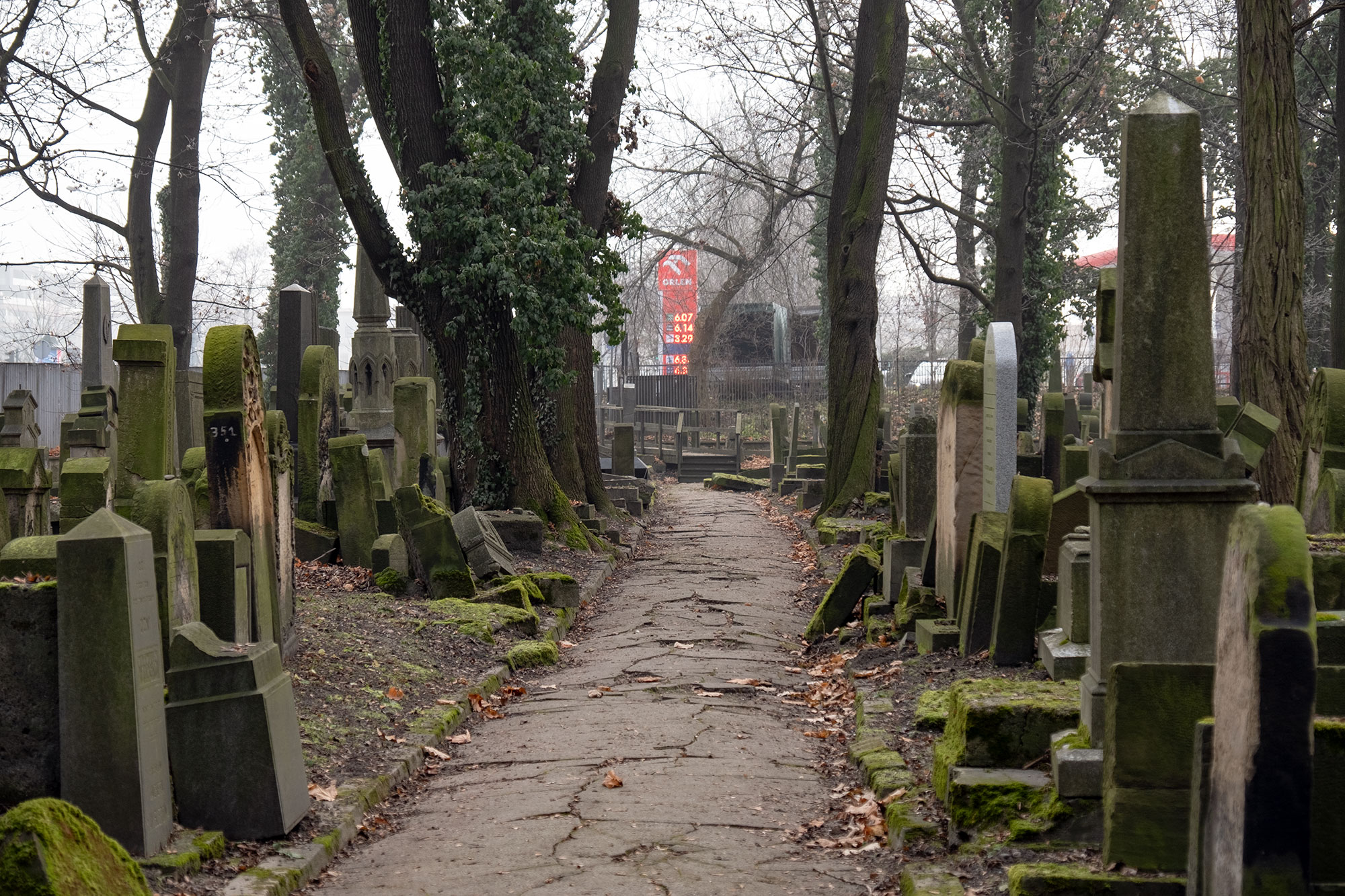
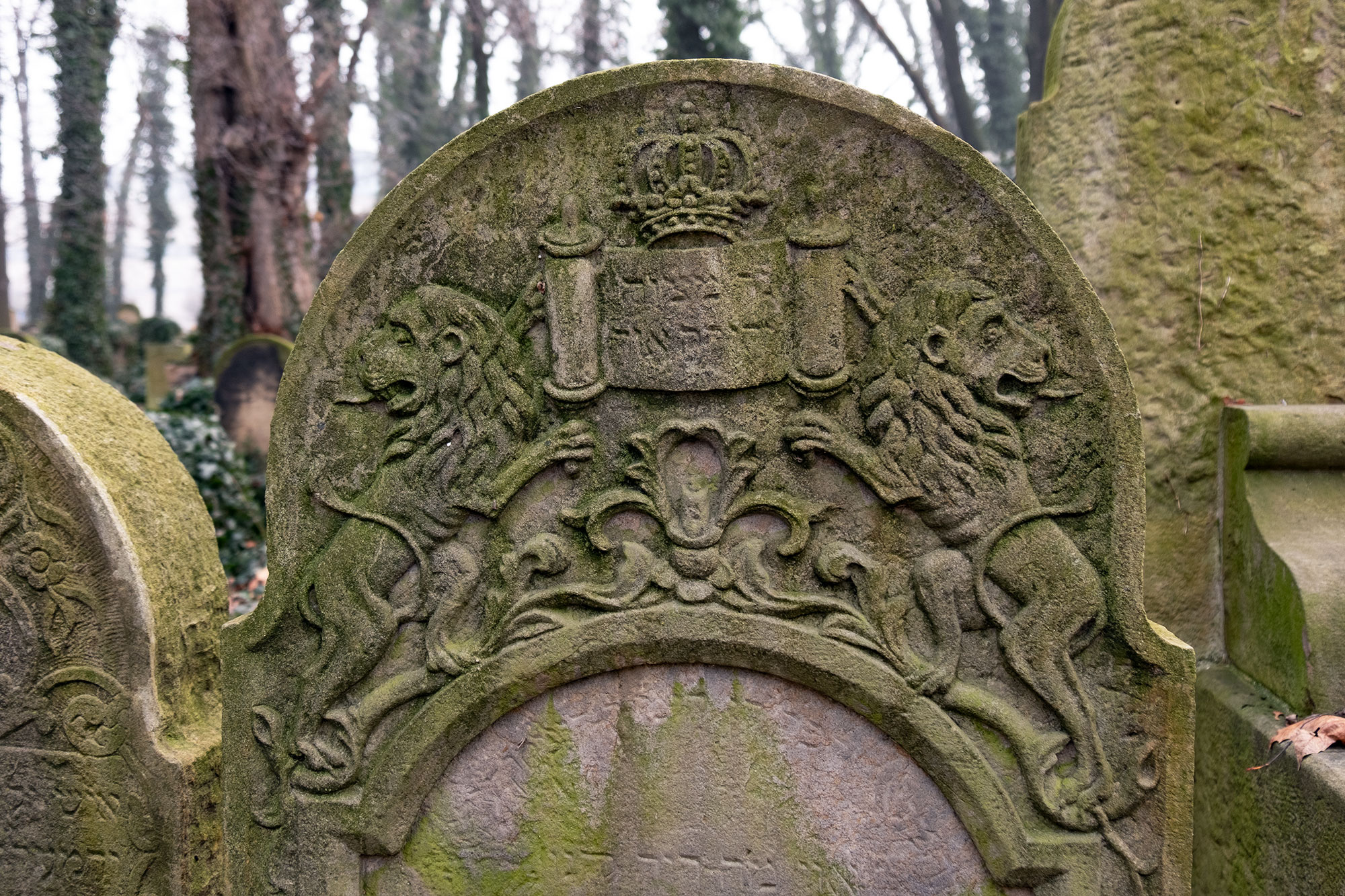
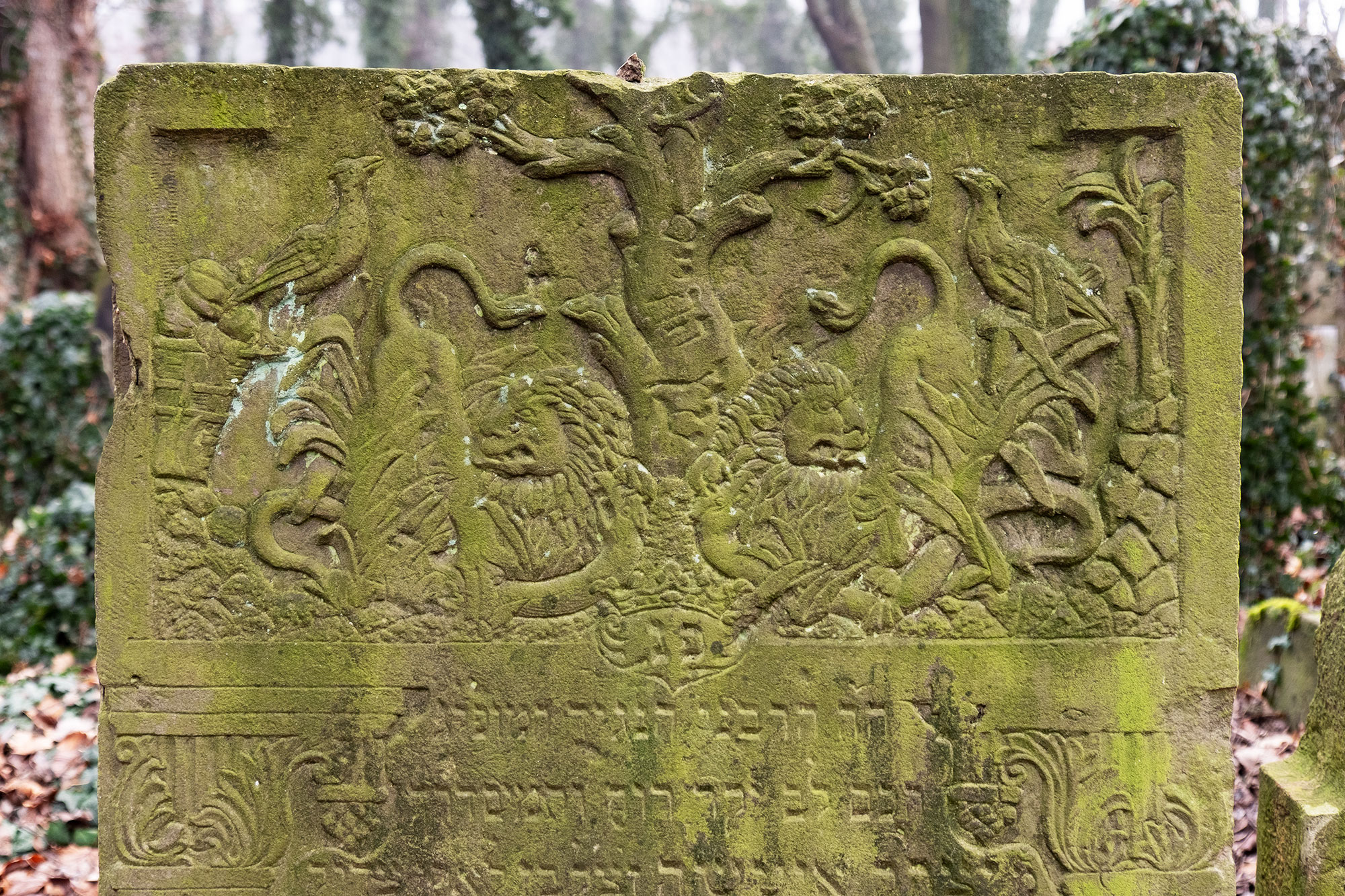
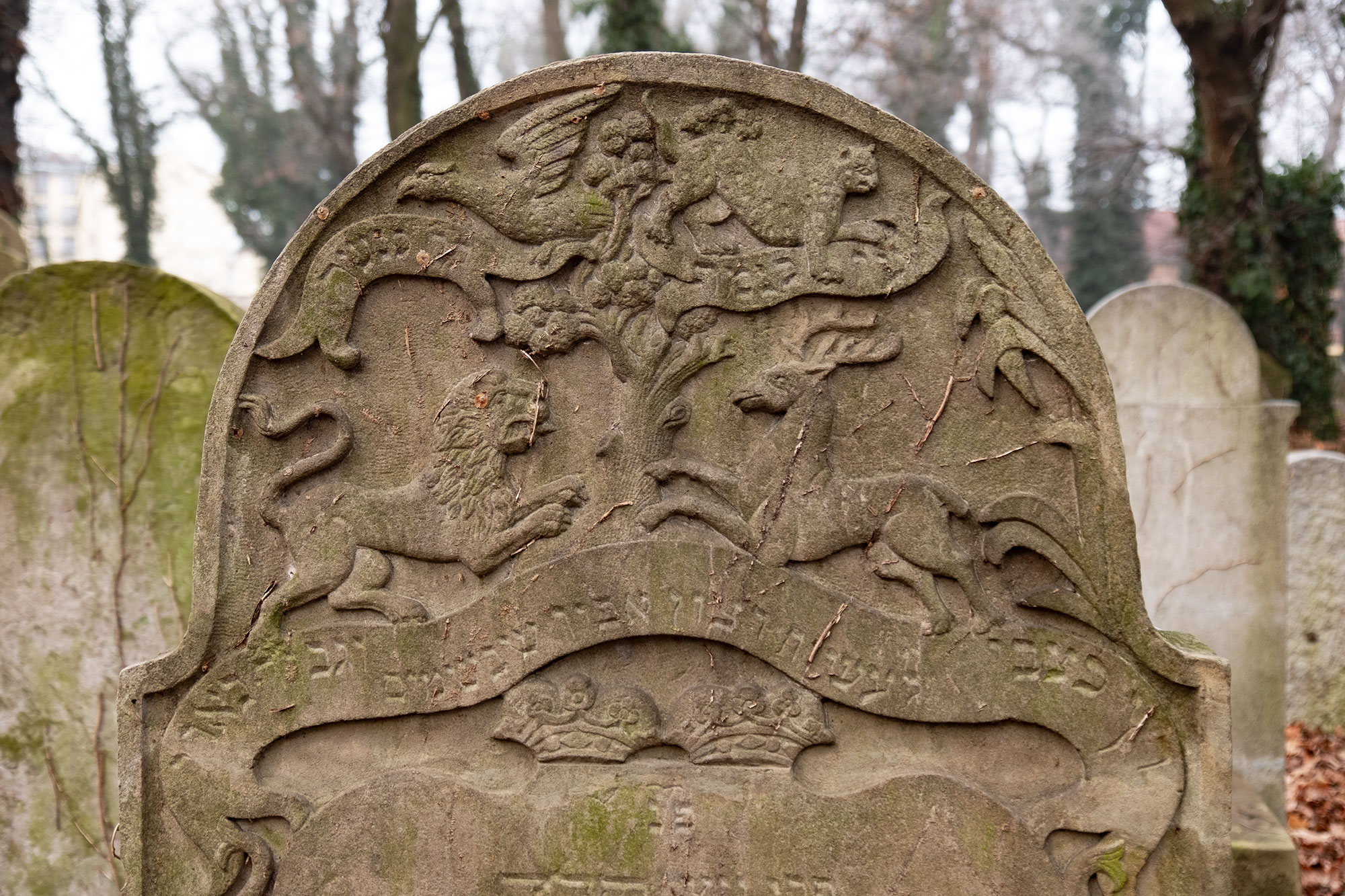
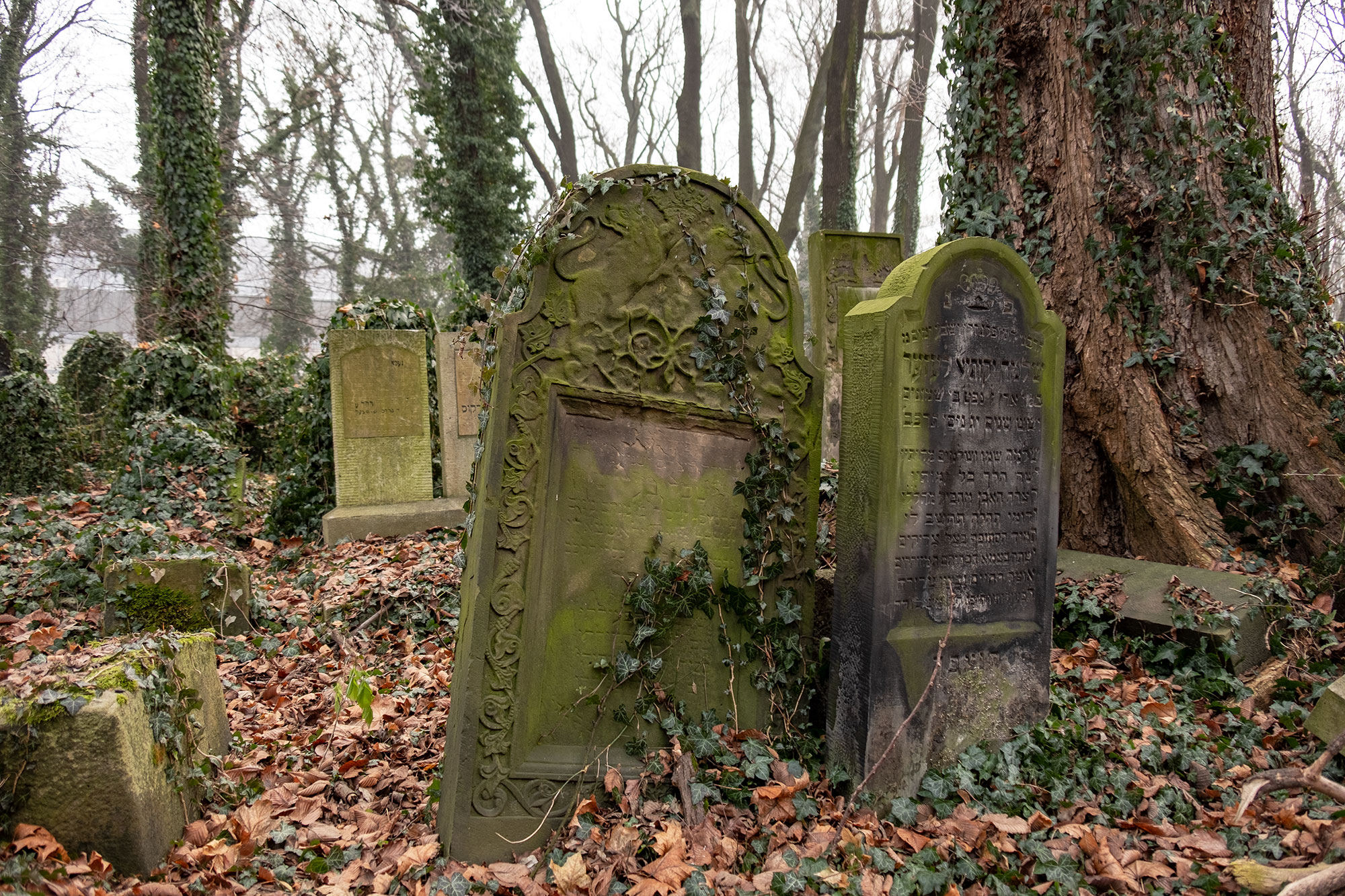
Even in the 1990s, when I visited Kraków for the first time, there was tourism in the city. People came for the enchanting old town, the Wawel – for a long time the residence of the Polish kings – and Steven Spielberg’s film ‘Schindler’s List’ had aroused interest in the former Jewish quarter of Kazimierz. That made me curious too. I had a few hours to walk around the city and vowed to return. I did and this time I took more time for Kazimierz, its synagogues, cemeteries and crumbling backyards. The first lesson I learnt was: I know nothing. I knew nothing about the people who had lived in Kazimierz, nothing about the books they read and wrote, nothing about the music they listened to and composed, nothing about the Jewish denominations they belonged to. I realised that extermination is something lasting. I knew a lot about the perpetrators of the Holocaust, but nothing about their victims. I don’t think I was an exception.
Chris Schwarz’s photos in the Galicia Jewish Museum were an eye-opener. Schwarz had not only photographed the preserved magnificent synagogues and Auschwitz-Birkenau – the places that still attract numerous visitors today. He had travelled through the Polish province, documenting the remains of dilapidated synagogues, former Jewish districts and unknown sites of mass extermination. I realised that there was a whole world before my eyes that I had no idea existed. This began a journey that continues to this day. It took me further east, to Ukraine, Belarus and the Republic of Moldova. It took me north to the Baltic States. It led me to books, music and many people I met, to whom I became in touch and who reached out to me. It was perhaps the most important journey of my life. I also met my wife Anna this way – a unique stroke of luck.
Tourism has increased enormously in Kraków – as in many European cities. Walking across the market and through the cloth hall has become exhausting. Crowds of people push their way through Florianska Street. There are restaurants, cafés and souvenir shops in every building. Where people used to live, you can now rent apartaments. Ryanair, Wizzair and Easyjet ensure a constant supply of visitors. Beer is cheaper in Kraków than in Prague and Venice. And yet there are also visitors who want to learn something. In Kazimierz, I observed a group of Greeks standing for a long time in front of an open-air exhibition of the Galicia Jewish Museum and reading the texts attentively. And of course Hasidic pilgrims and those who want to see the places where their ancestors lived continue to come.
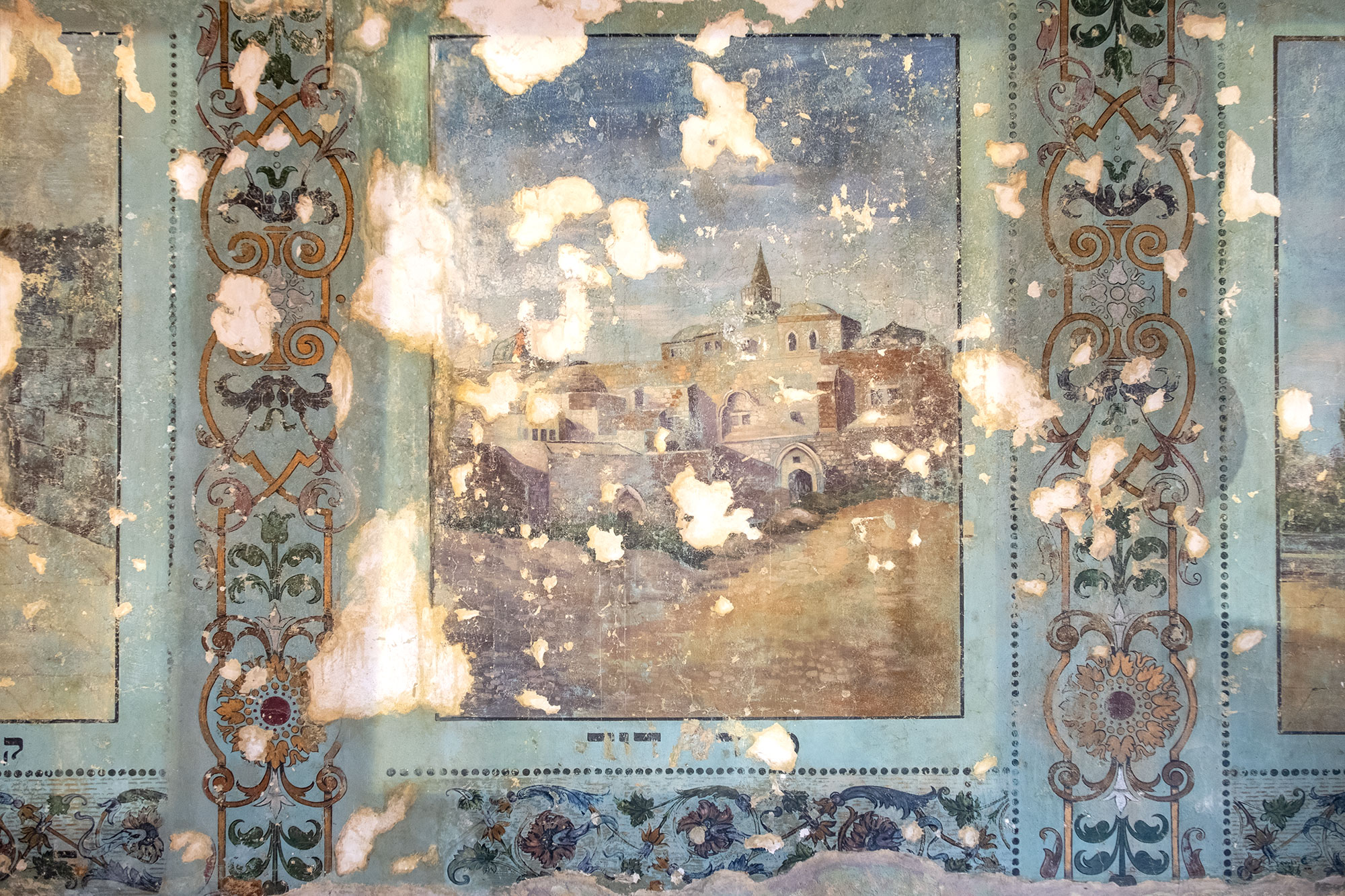
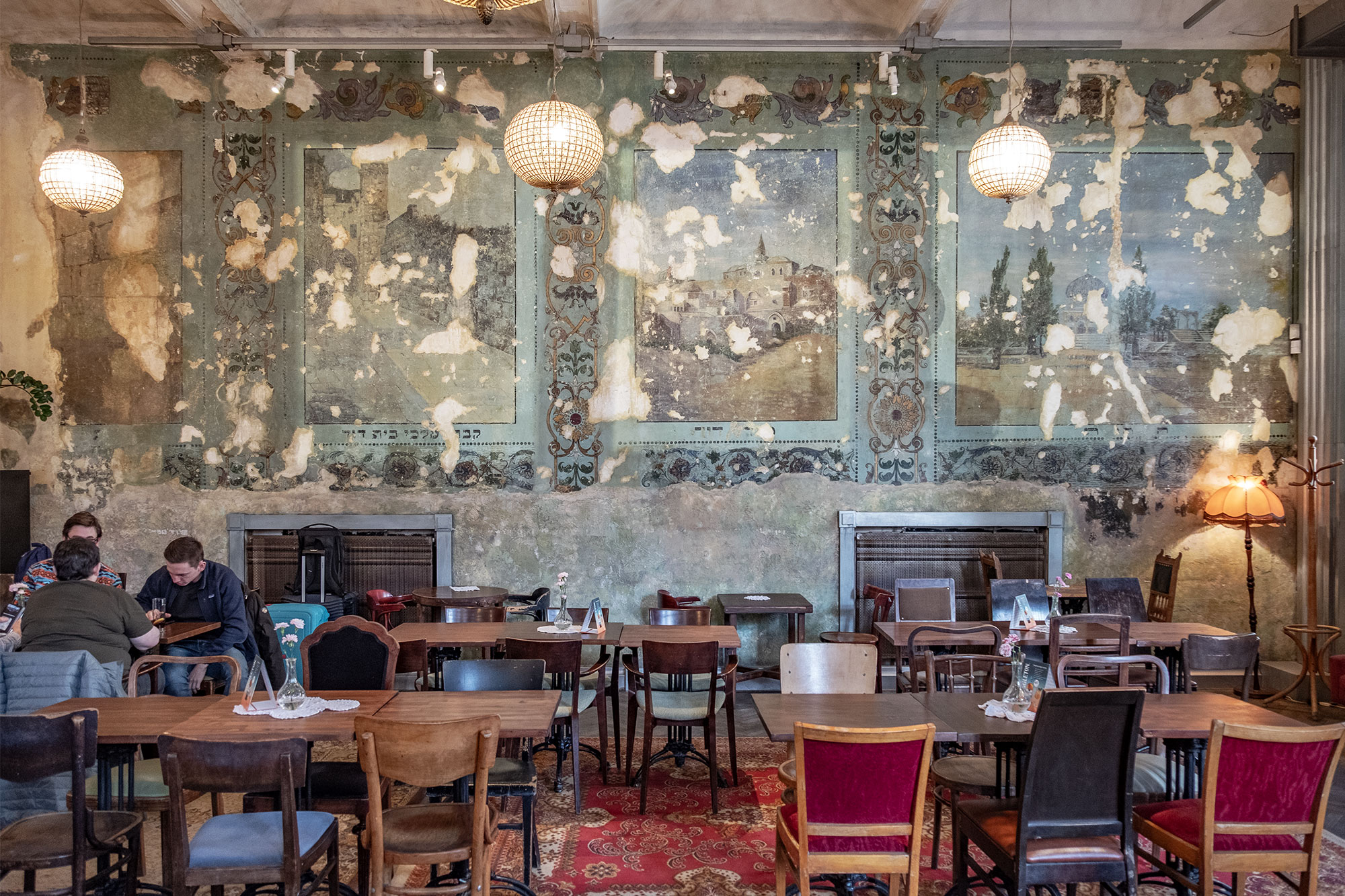
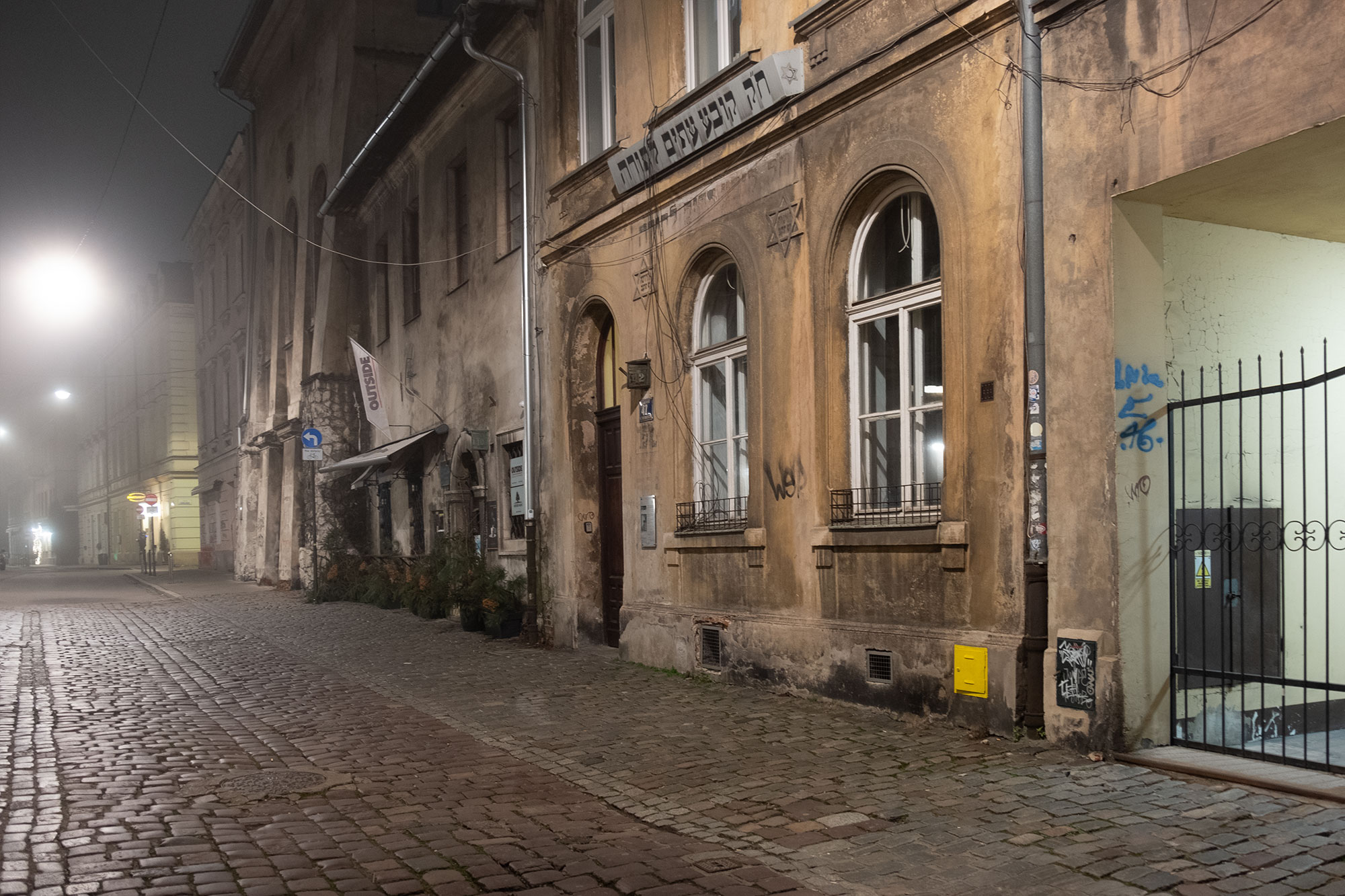
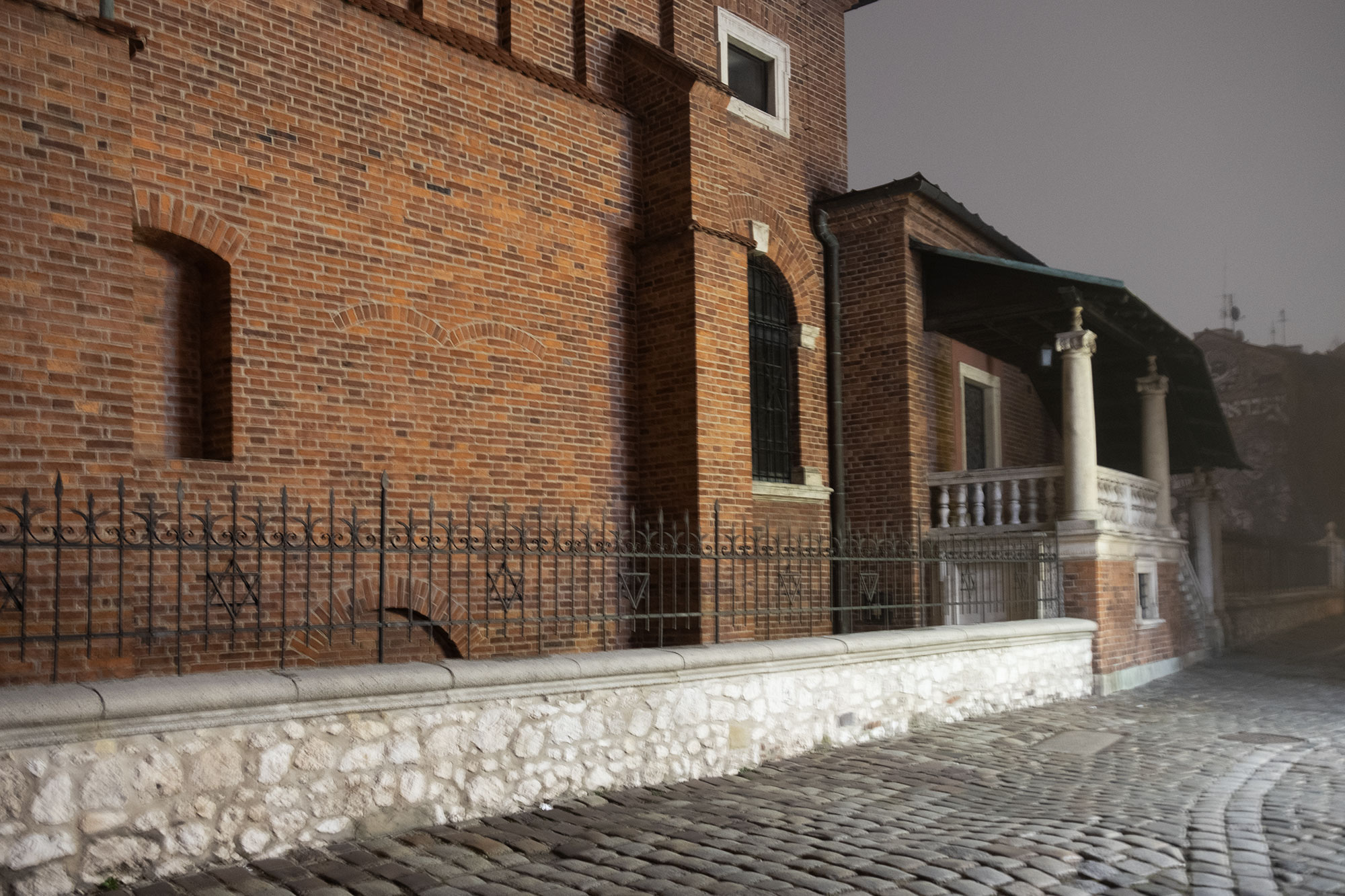
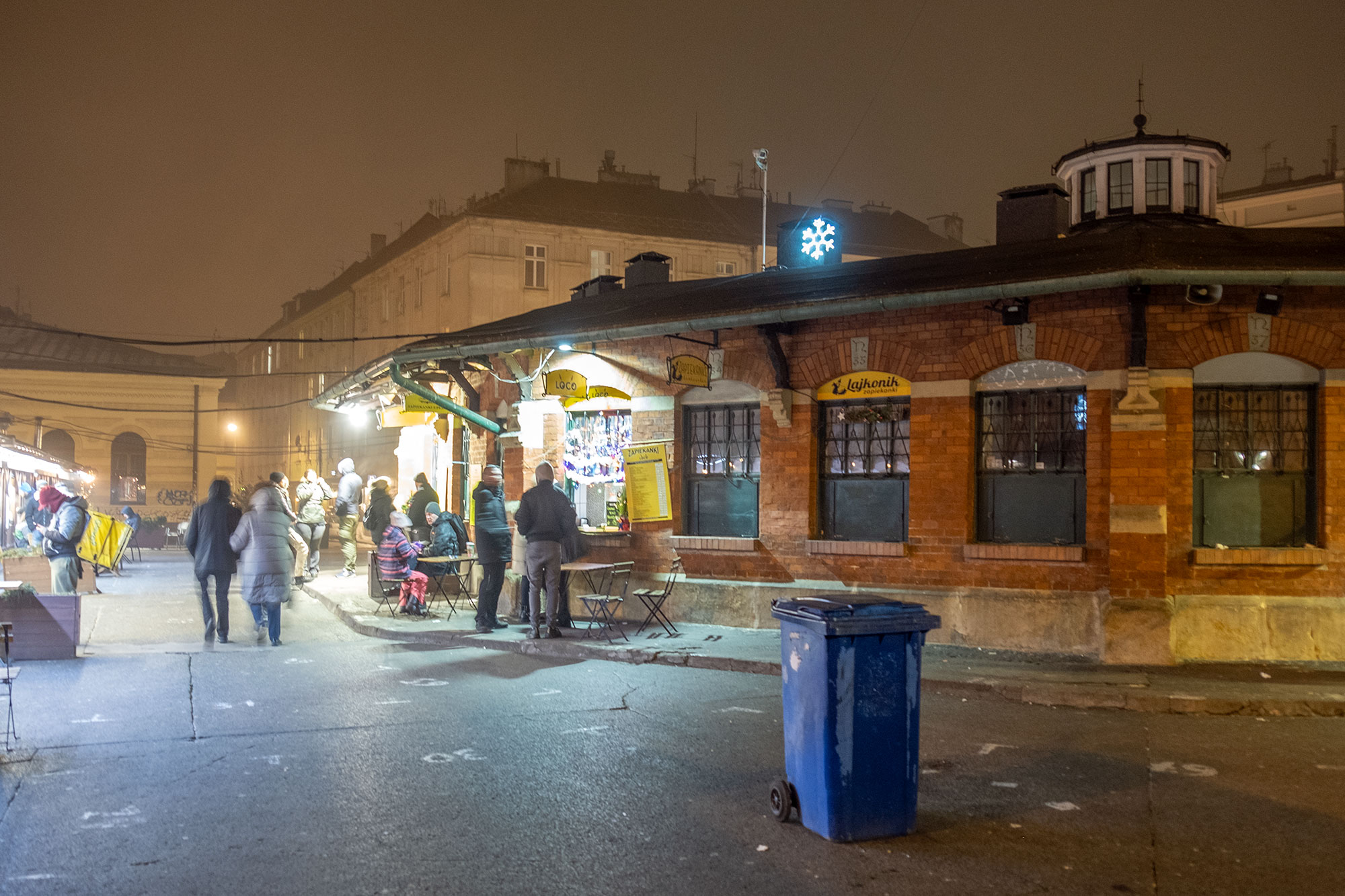
Compared to the old town, Kazimierz has remained a quiet place. The restaurants that opened there in the 1990s have more or less remained the same. Some have been added, like the Hevre – a former beith midrash whose historical murals are still visible. This is where the hipsters meet. What has remained unchanged are the quiet side streets and unrenovated courtyards. On the second day of our stay, the fog rolled in. It covered Kazimierz and swallowed up all sounds except the cries of the crows. Time seemed to be suspended. On those foggy evenings, Anna and I made a habit of going for walks. Only now and then did someone appear in the fog and disappear again. Whether it was a man or a ghost, we don’t know.

This work is licensed under a Creative Commons Attribution-NonCommercial-NoDerivatives 4.0 International License.


Lieber Christian, Deine Berichte machen mir stets Gänsehaut. Zeigen sie doch in Wort und Bild von Vergangenem und doch gleichzeitig nie Vergehendem, das, wie oben geschildert, immer wieder aus dem Nebel der Geschichte auftaucht und wieder darin untergeht. Mahnend und die damit verbundenen Schicksale offenbarend und mich tief berührend. Hab herzlichen Dank für Deine so wichtige und wunderbare Arbeit, die dies alles lebendig erhält! Möge die Welt eine friedlichere werden. Liebe Grüße, Heidi Rohrlack, Augsburg
Thanks for the pictures of Kraków, a beautiful city. My family, the
Birnbaums, emigrated from that city in 1870. Of course they said they
were Austrian, not Polish.