In July, my wife Anna and I spent eight days in Ukraine. We decided against any elaborate travel plans and spent almost the entire time in Lviv. We went on day trips to Sokal and Stryi – two places we hadn’t visited for a long time. It was a calm time – eight days without air raid sirens. A time to meet friends and family, but also to explore the Jewish heritage in Galicia.
Since Lufthansa stopped flying to Rzeszów, the nearest airport in Poland close to the border, travelling to Lviv has become more of a hassle. This time we flew with the Polish airline LOT and were less than impressed by the lack of punctuality and the indifferent staff. An even greater annoyance, however, is the sluggish border clearance by the Polish authorities. We spent eight hours queuing at the border. Anyone caught unprepared is out of luck. There are no facilities to buy water or food. In summer temperatures of 35°C, that’s no fun at all. When we arrived in Lviv, we were lucky to get a taxi – albeit at three times the normal price. At midnight, the curfew imposed by martial law begins, and then nothing moves anymore.
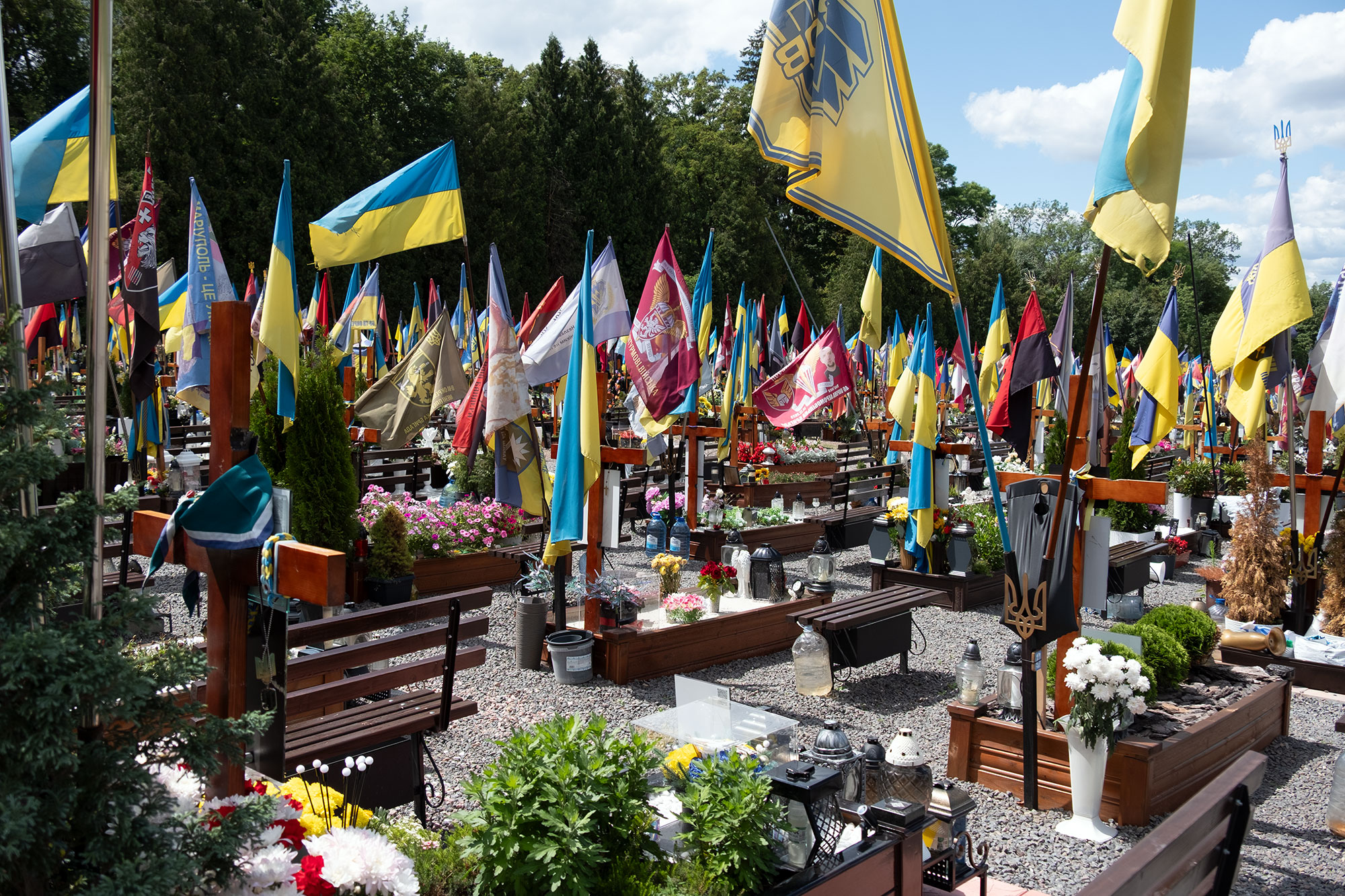
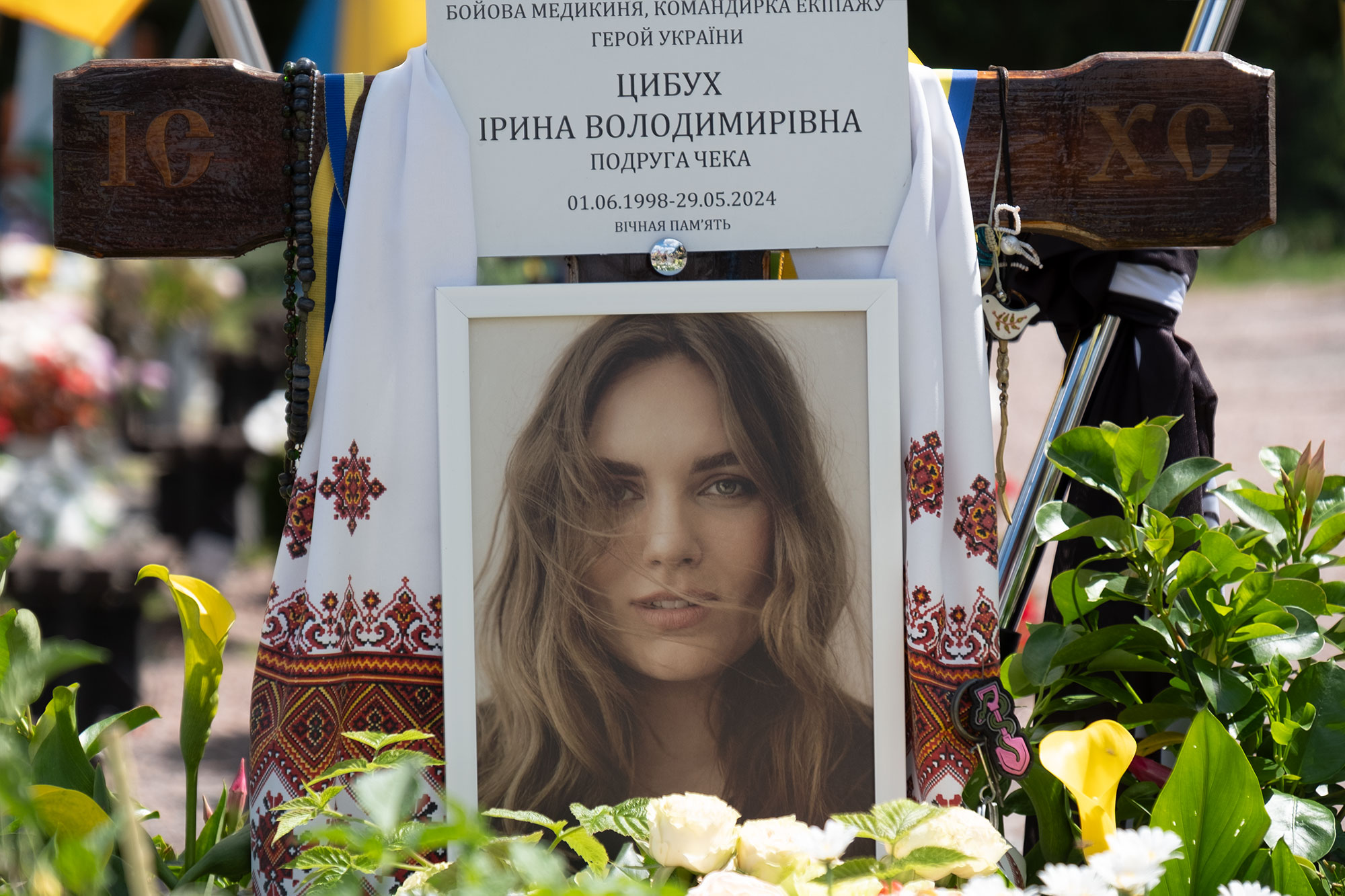
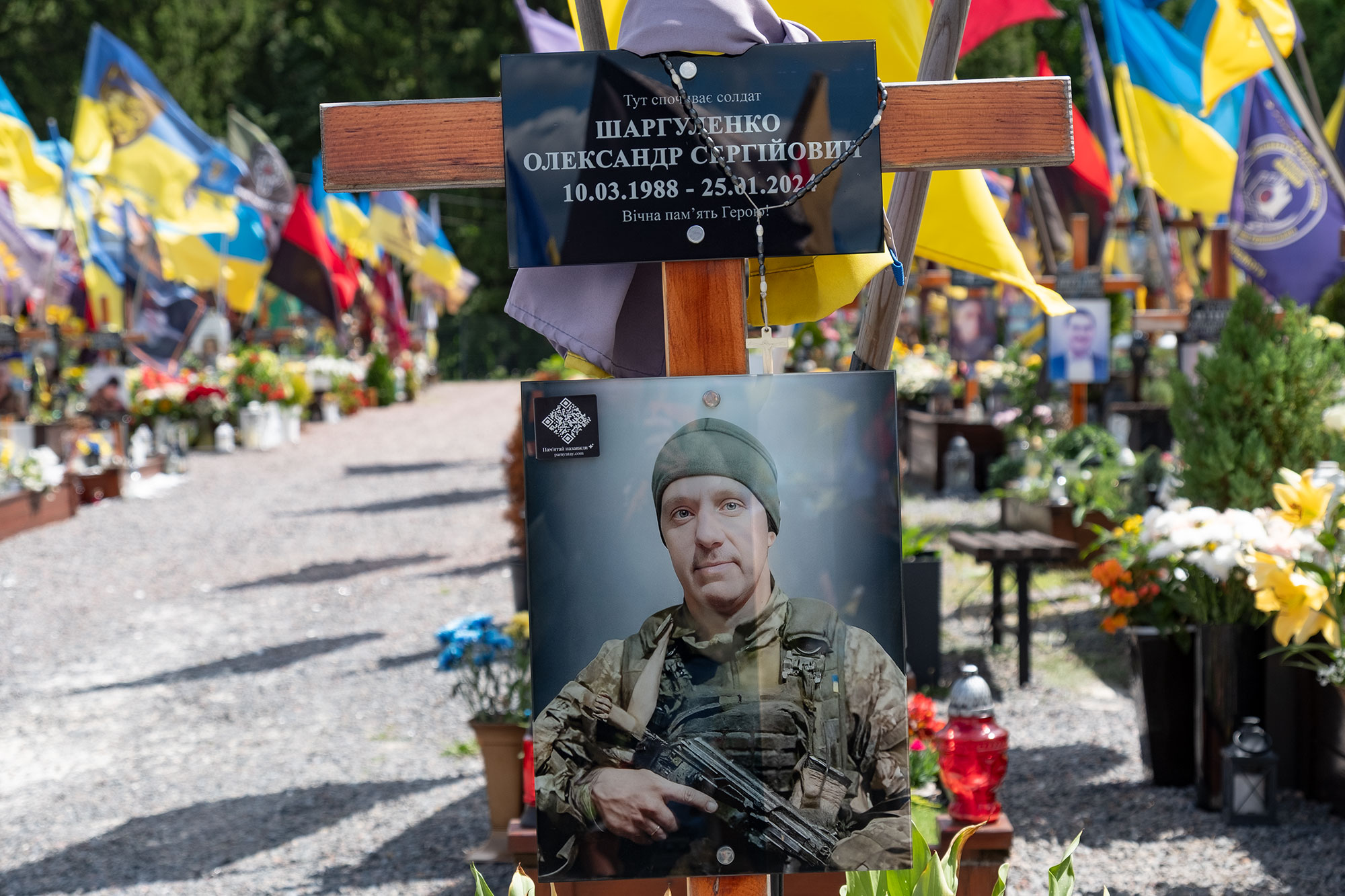
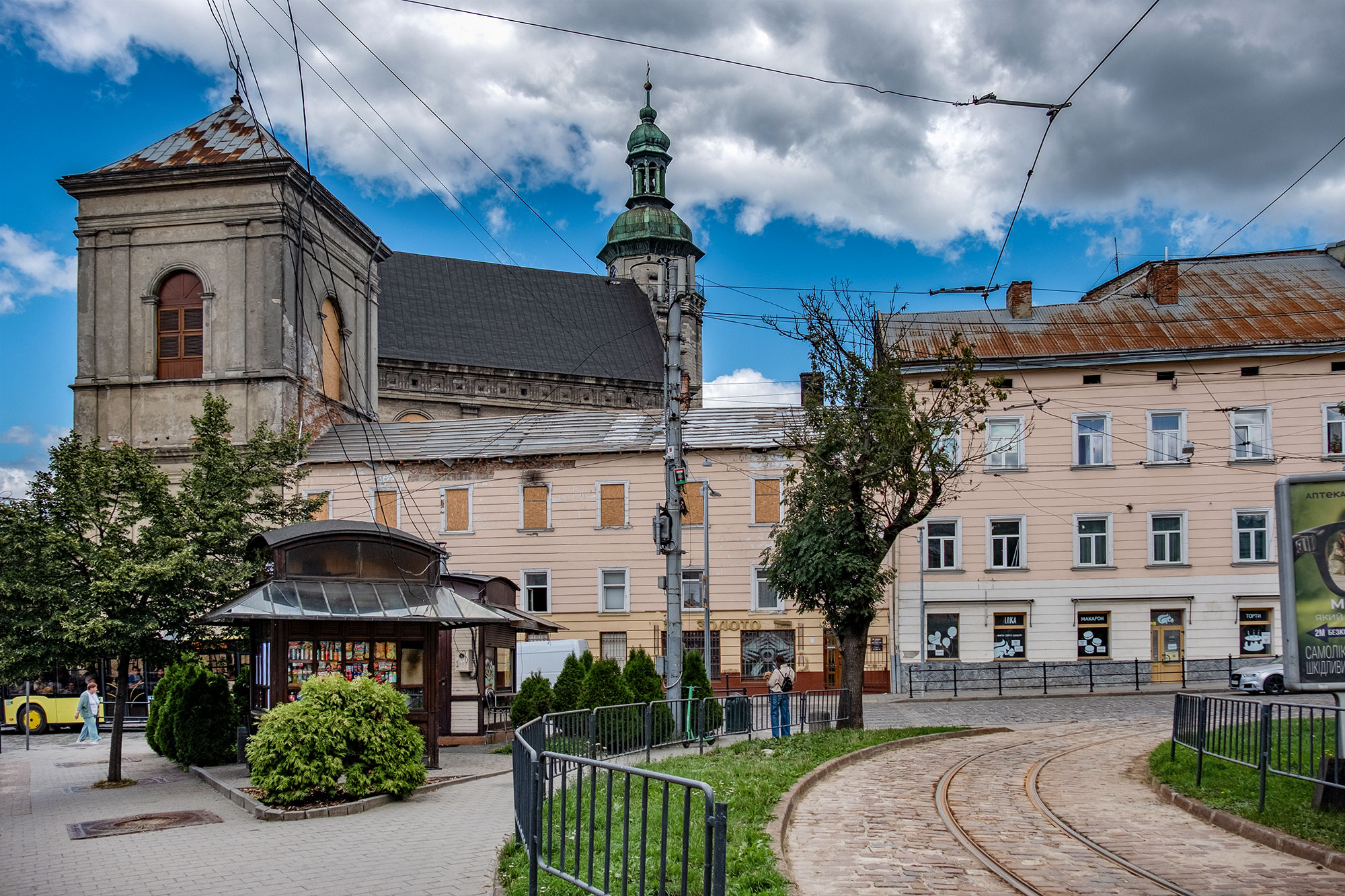
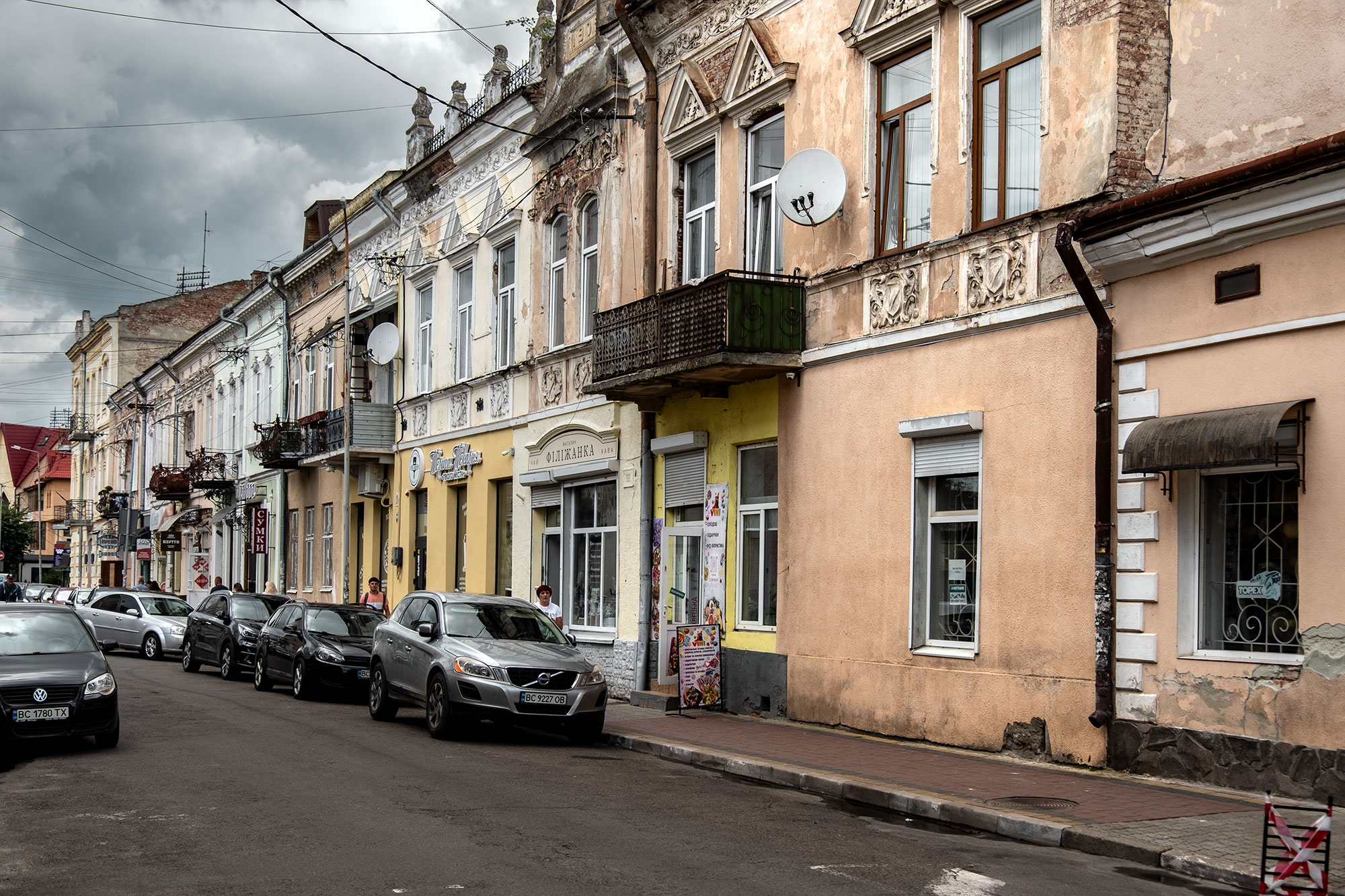
On the surface, Lviv seems unchanged. Some shops have closed, whilst others have opened. The cafés and restaurants remain well-frequented, even though many things have become more expensive. One could almost forget the war. But if you look more closely, you’ll also notice the many men with amputated legs and arms. When you speak to people, you sense the full weight of four and a half years of war – the loss of friends and loved ones, the constant worry about those serving at the front, and the exhaustion caused by the constant air-raid sirens. Not far from George Hotel, where Anna and I always stay when we’re in Lviv, a building was hit by a drone. The damage is still visible, although it has been provisionally repaired. A historic church stands right next to the harmed building. It was damaged in the attack too. Russia, the self-proclaimed ‘saviour of the Christian world’, is also bombing churches. Around 50,000 men and women from Lviv are currently serving in the Ukrainian army. Not all of them return. One funeral after another is taking place in the garrison church. The military cemetery, established at the start of the full-scale invasion, is almost full. Two further cemeteries have been established, and another is in the planning stage.
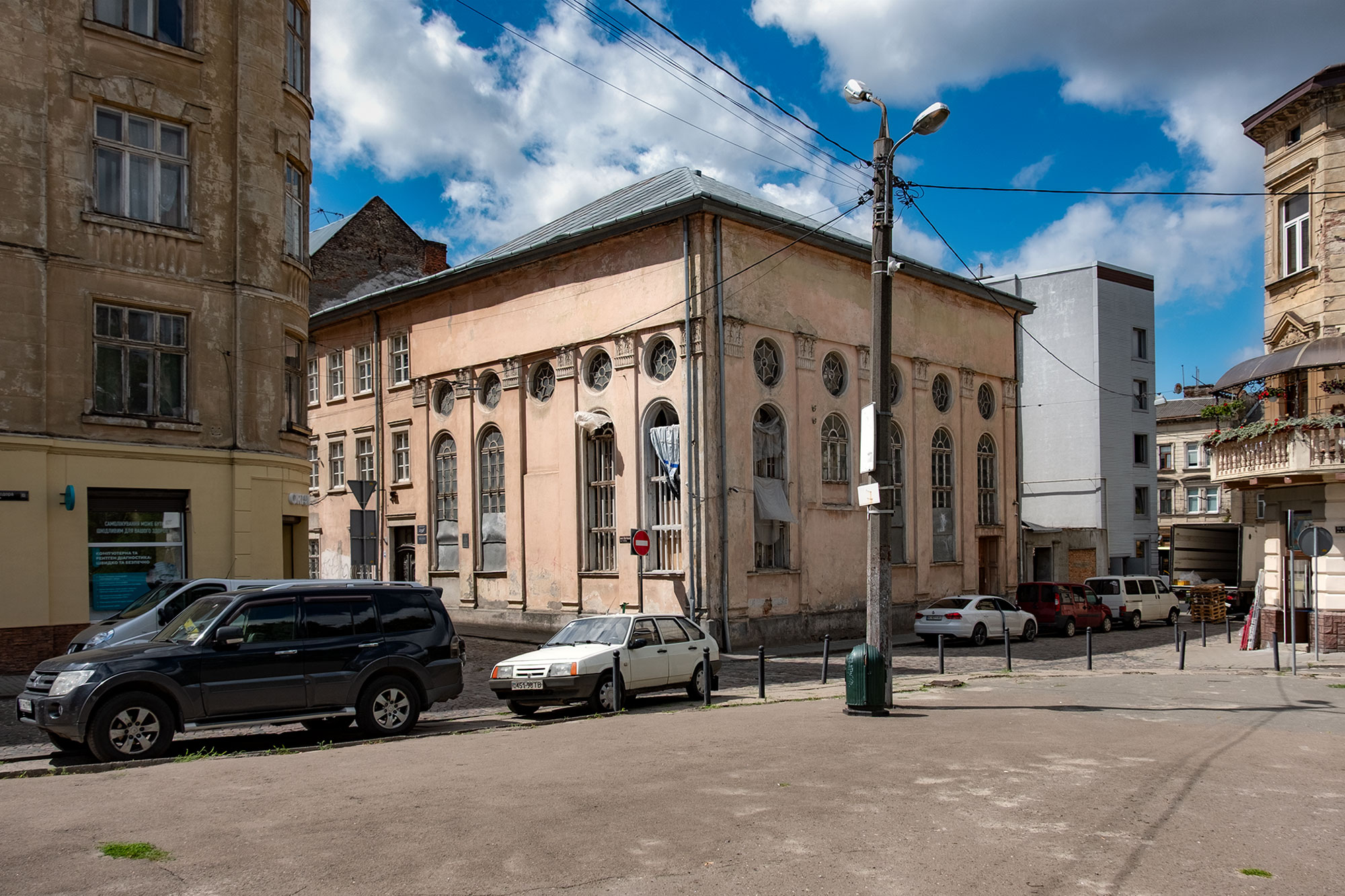
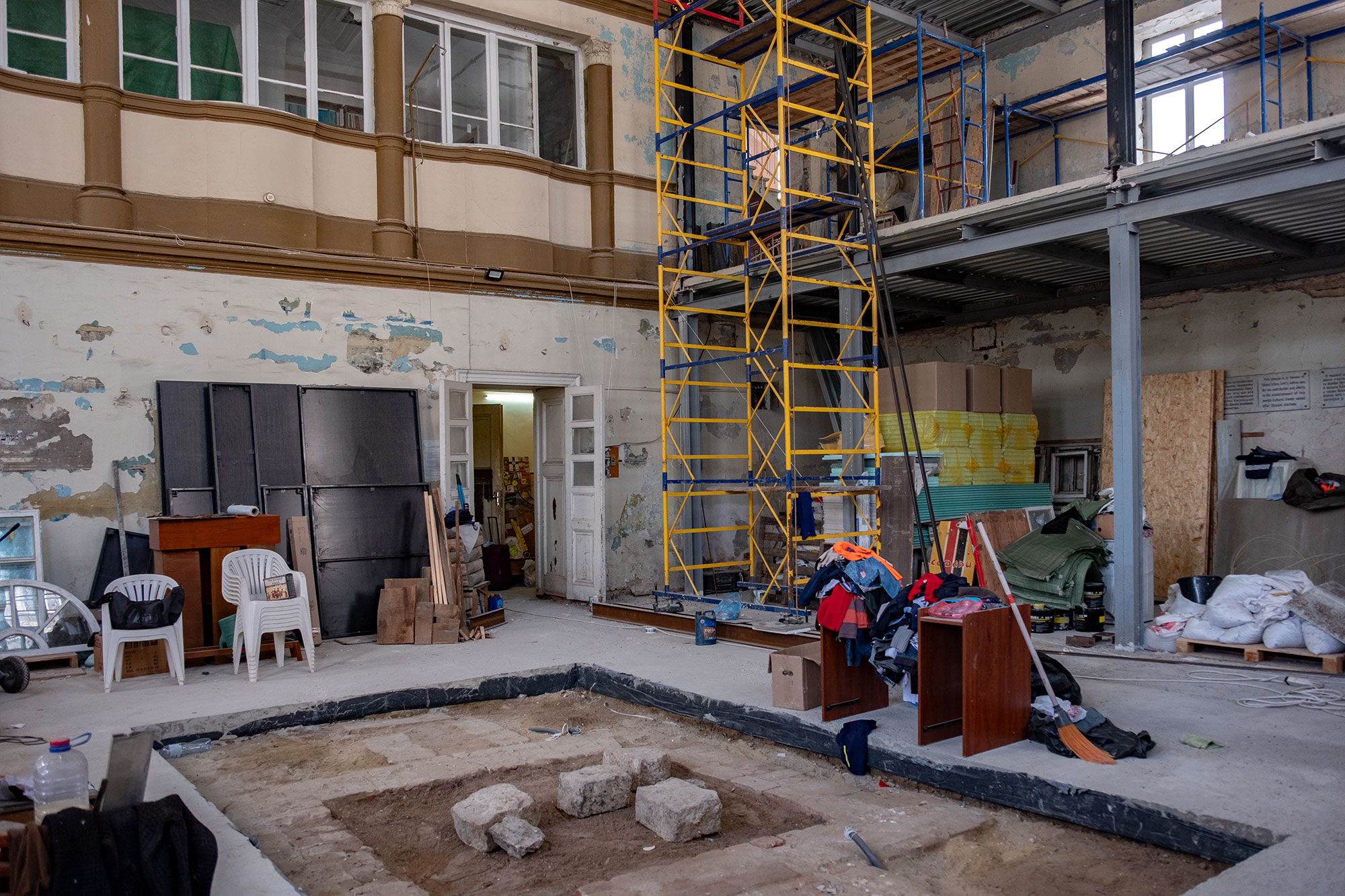
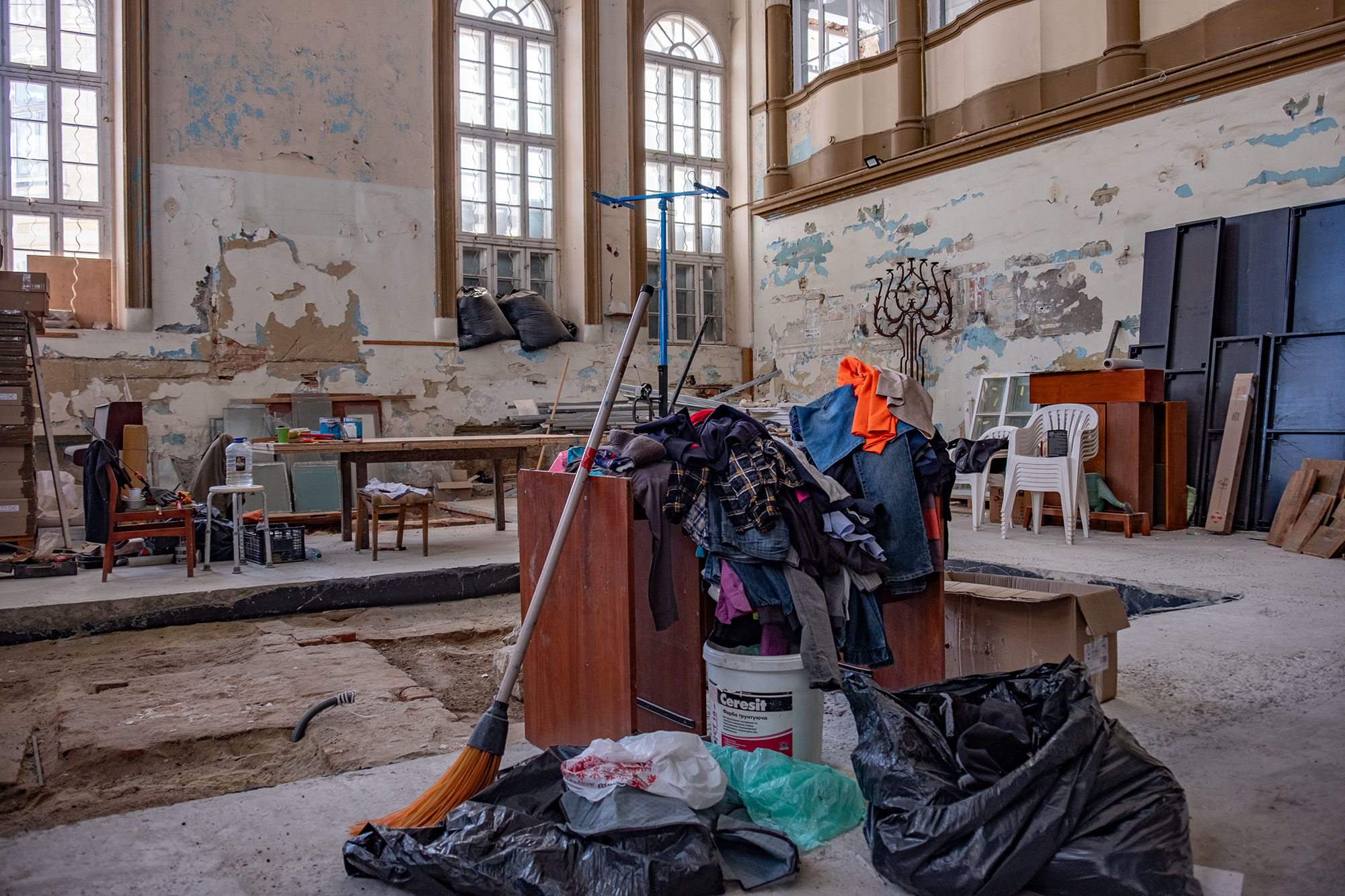
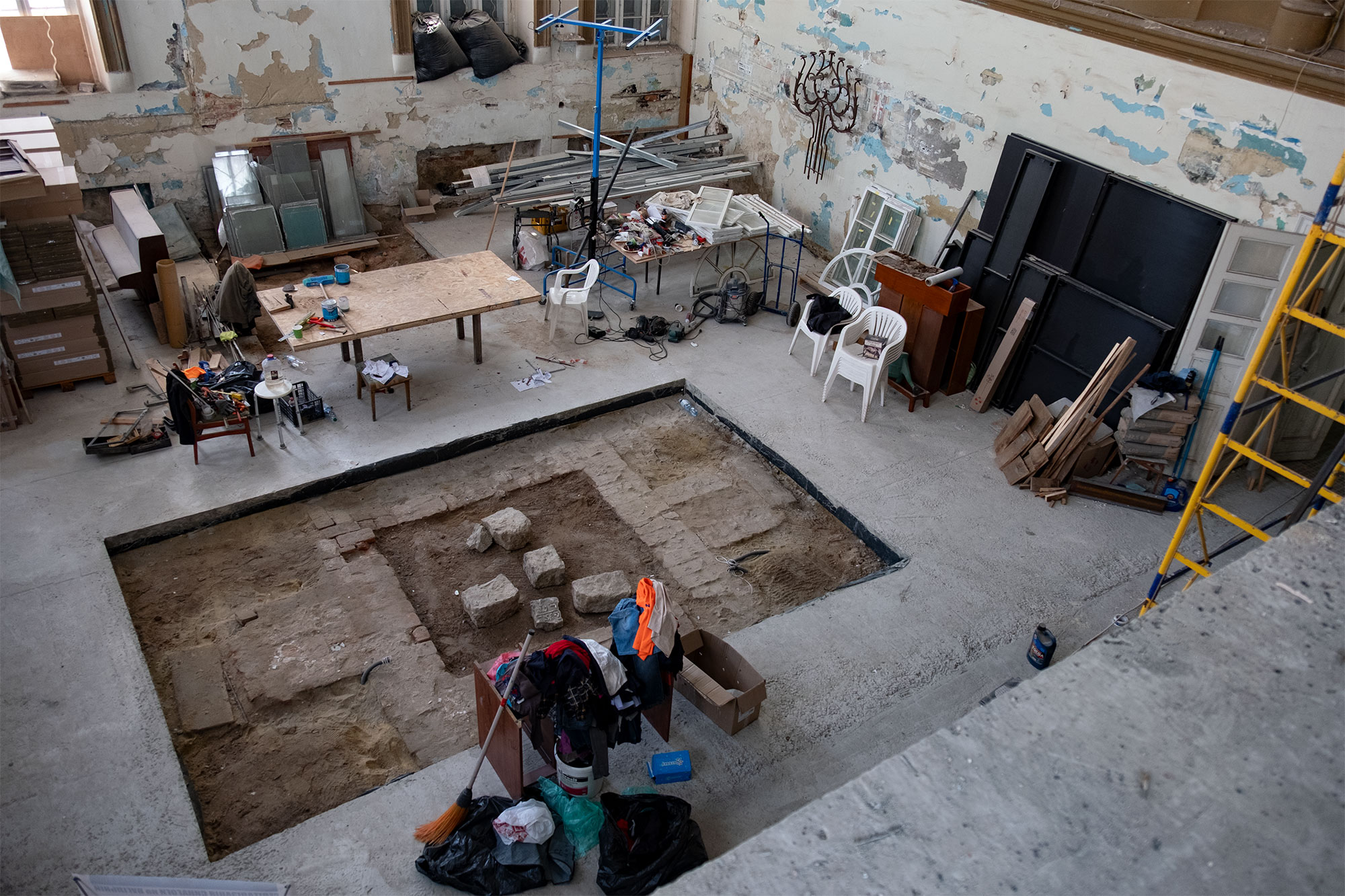
There is, however, some good news from Lviv. For years, my friend Sascha Nazar has been campaigning to preserve the Jakub Glanzer Shul, one of the city’s last remaining synagogues. He recently received a substantial grant, which will enable him to restore the women’s gallery and the floor. Work is in full swing. In the process, the foundations of the bimah – the platform from which the Torah is read – have also been uncovered and now bear witness to the building’s history. It is examples such as this that show just how resilient the people are and how strongly they believe in their own future and in the future of Ukraine.
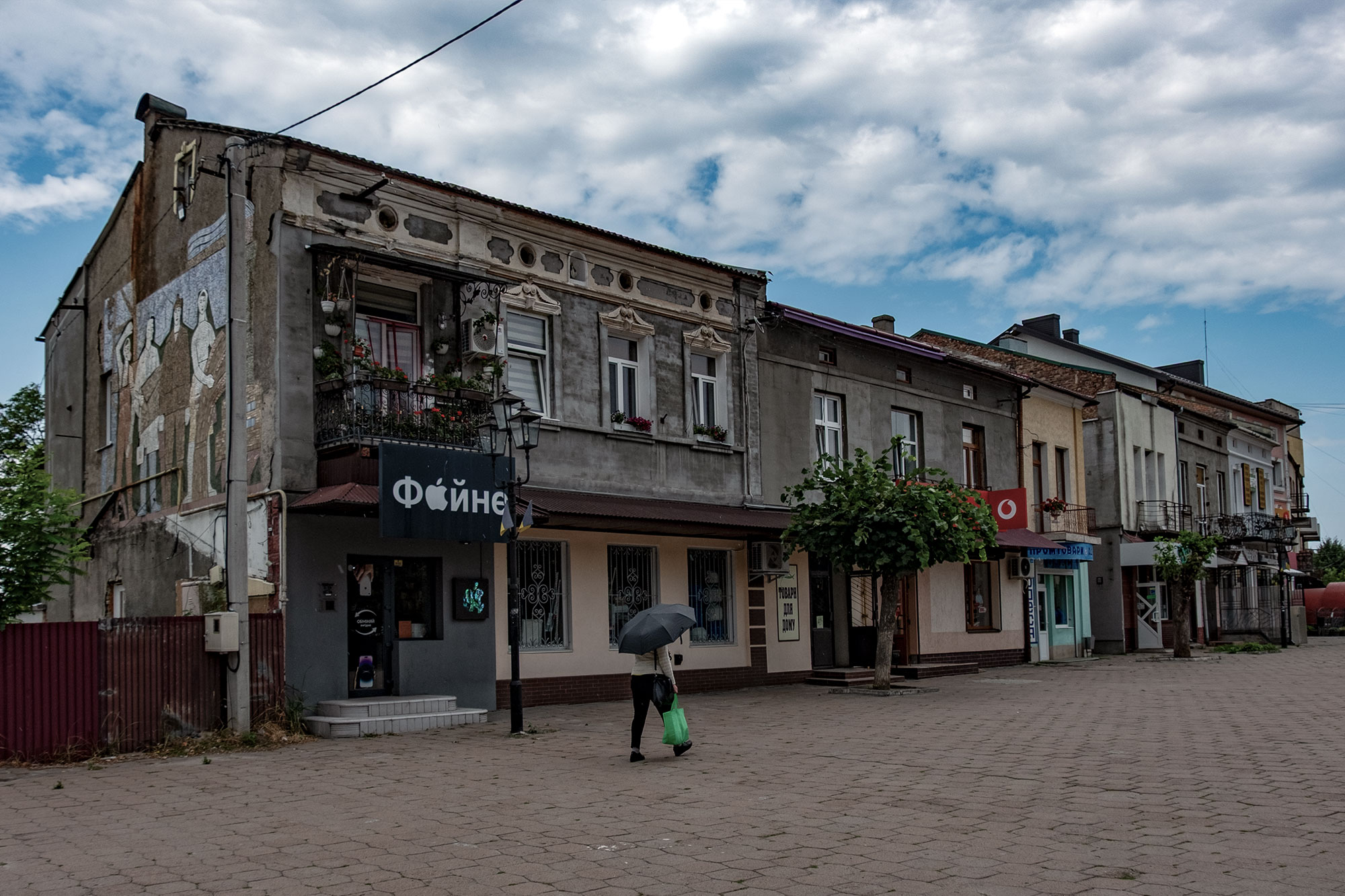
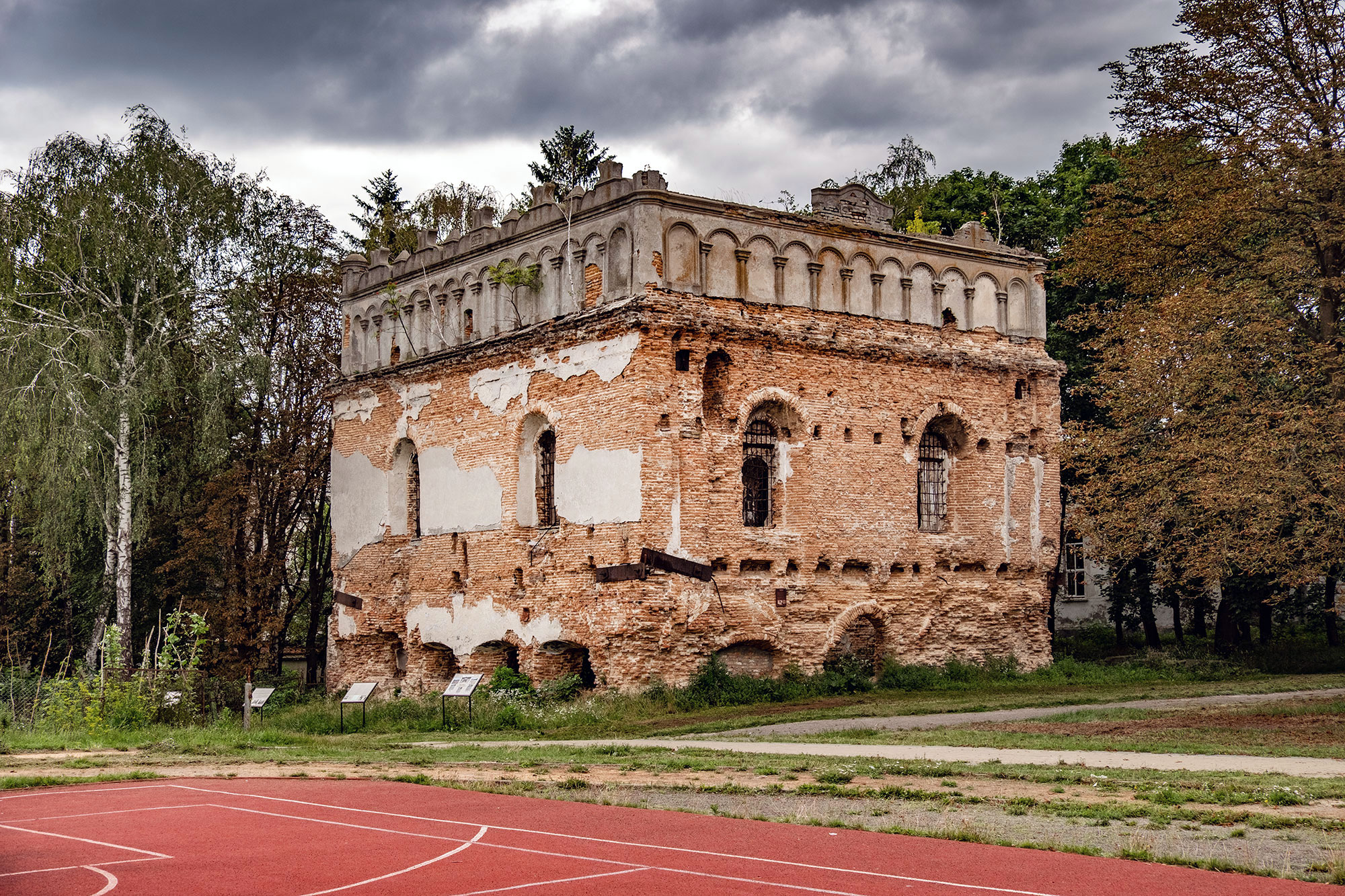
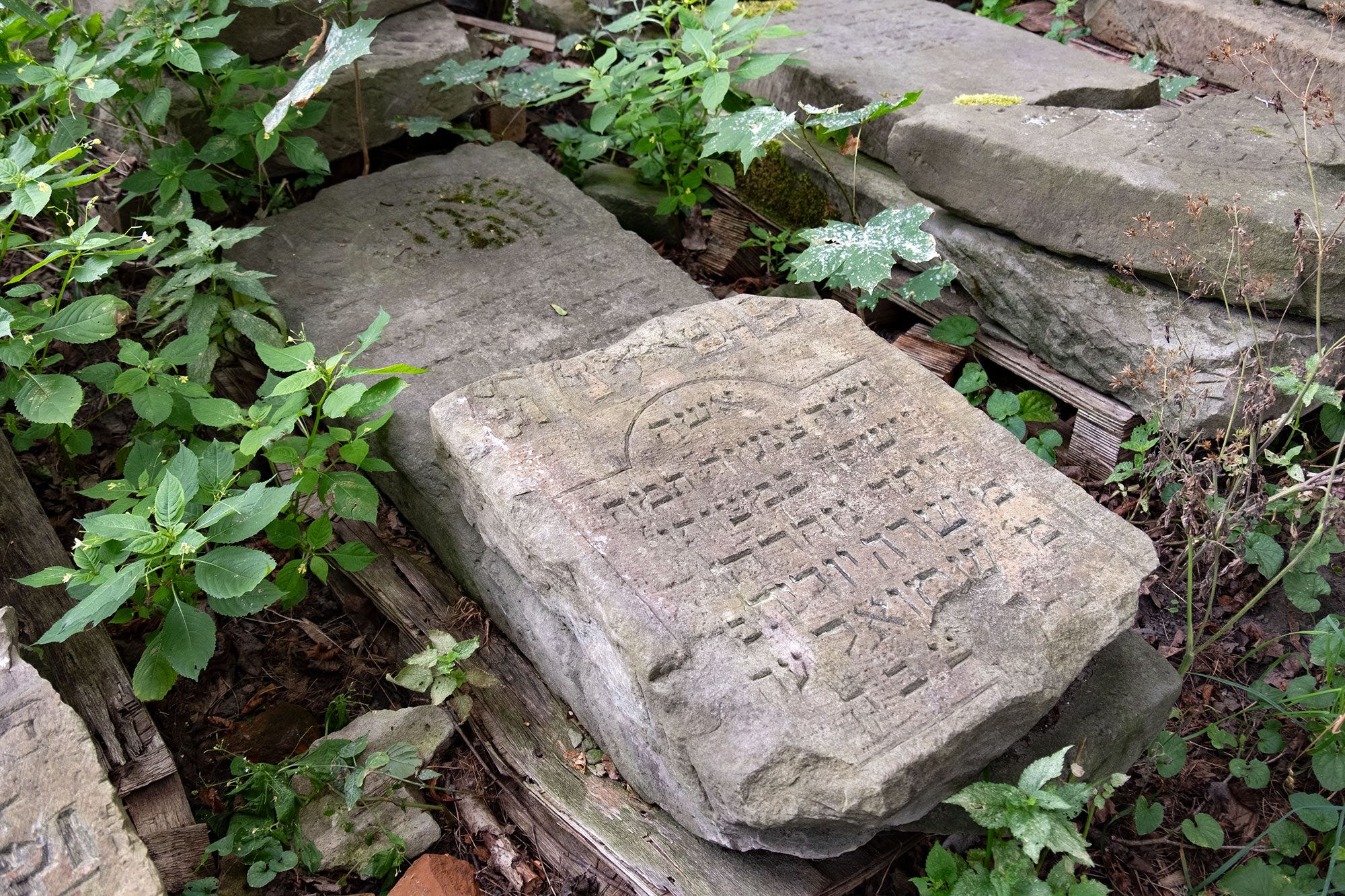
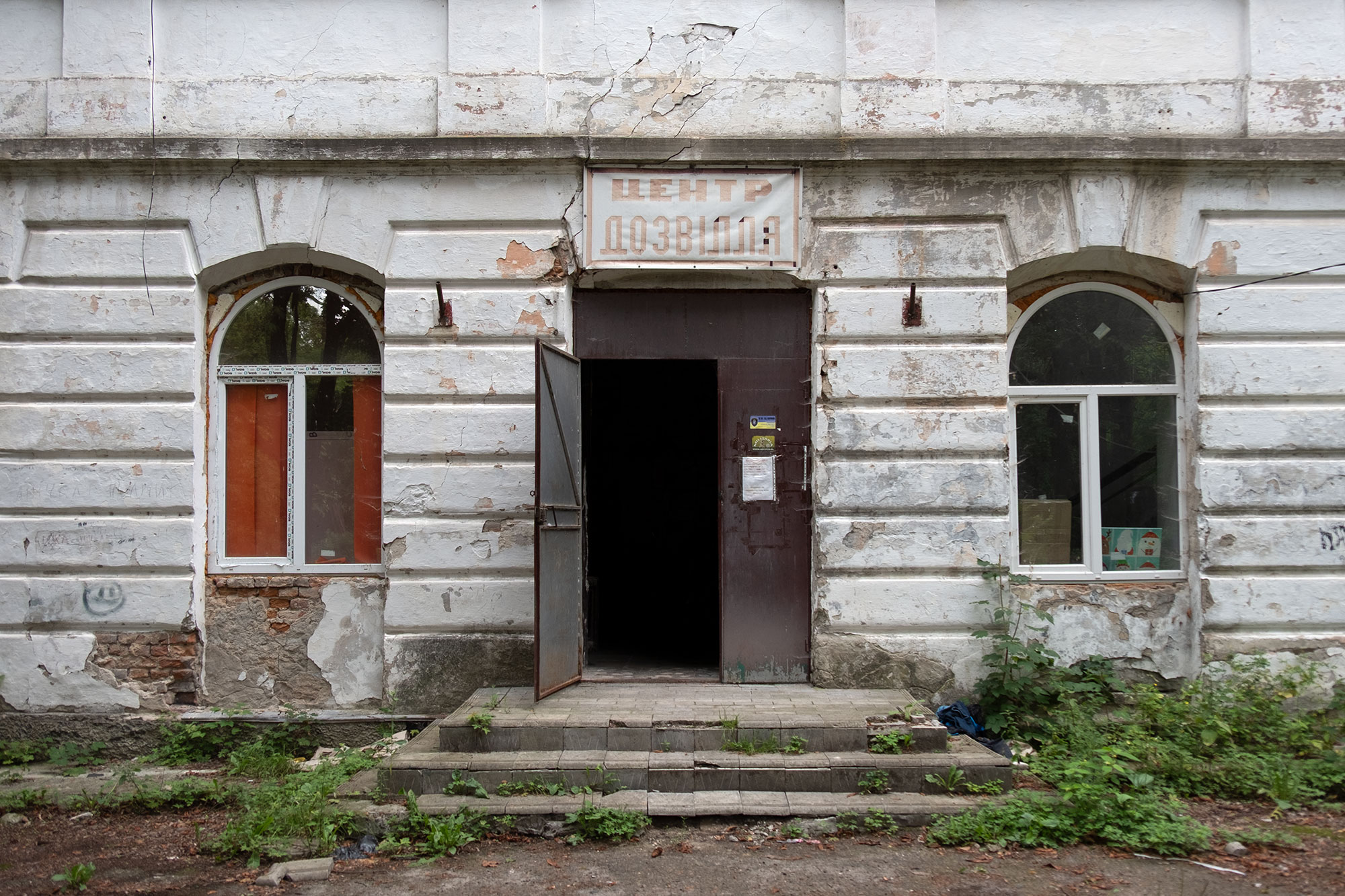
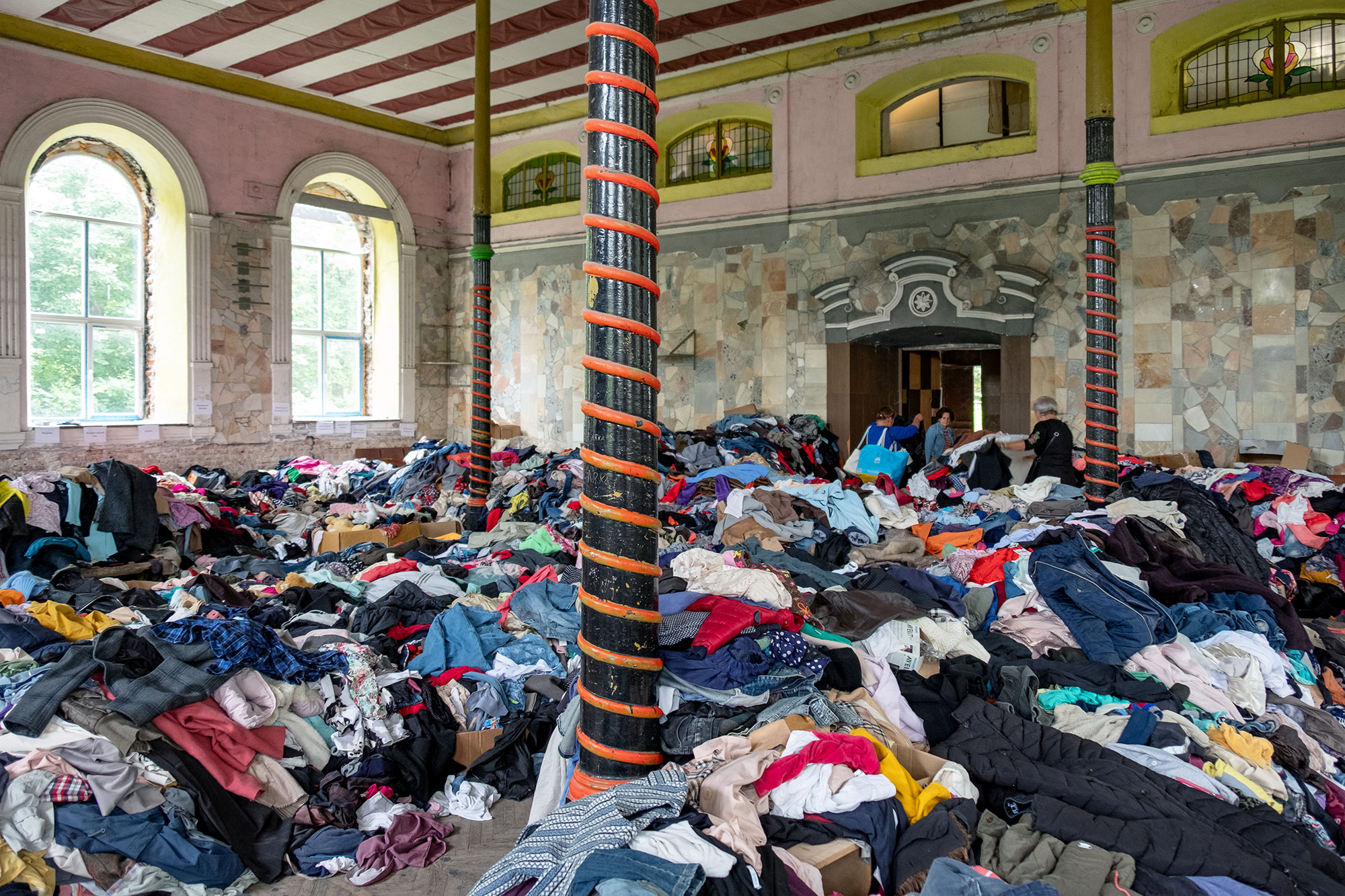
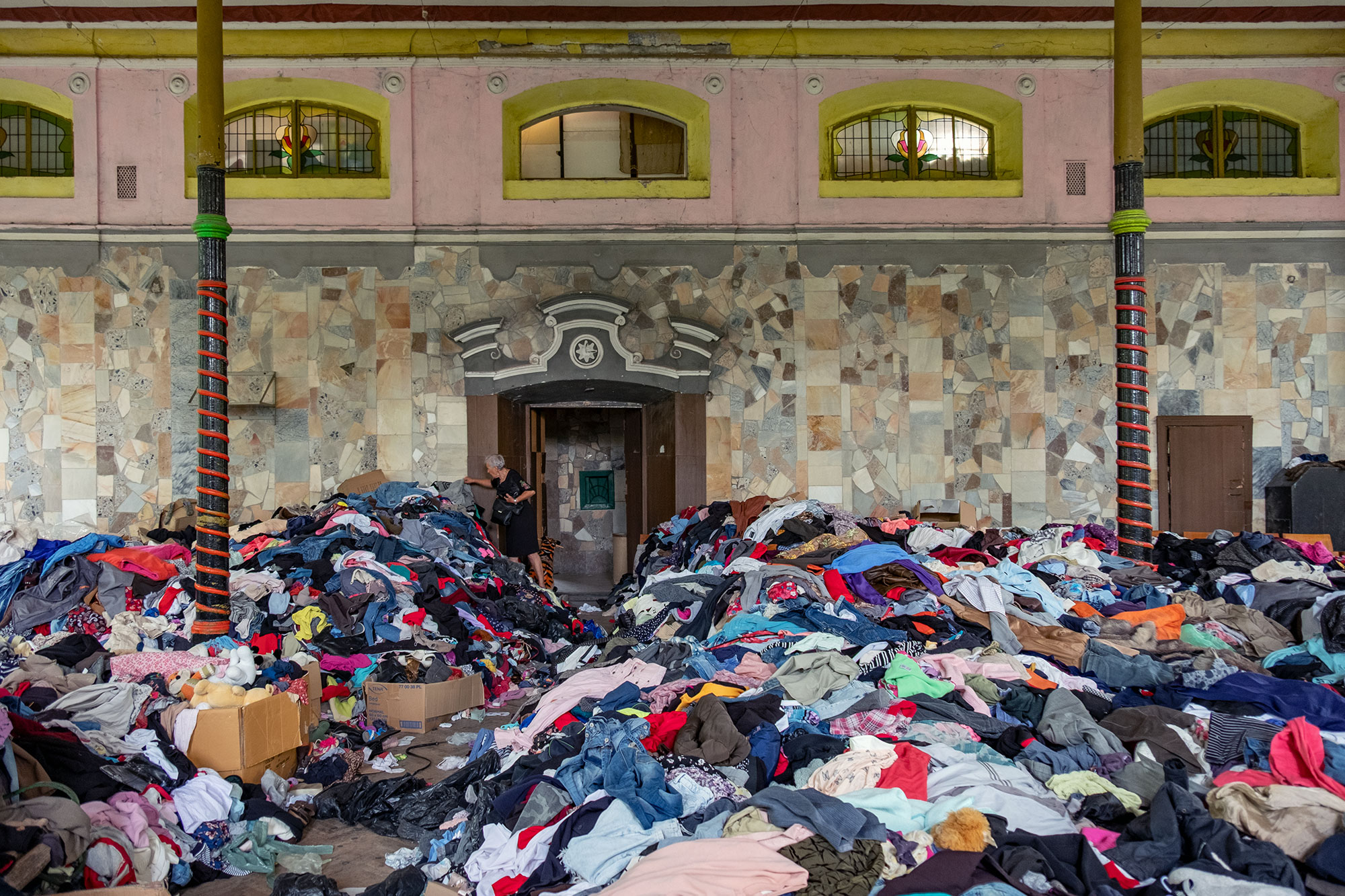
Sokal is a small town north of Lviv, a typical Galician shtetl – a bit of architecture from the Austrian era, a bit from the Polish era. And a great deal of provincial dreariness. Those who are young and ambitious usually leave. Where the Nazis established the Jewish ghetto, only two former synagogues have survived. The rest was burnt down by the occupying forces and is now a park. The ruins of the Great Synagogue are those of a typical Galician fortress synagogue. The surrounding area is better maintained than I remember from my last visit. Thanks to Oksana Savchuk-Tsarynska, a local activist, information boards detailing the history of the synagogue and its surroundings have been erected. A few Jewish gravestones, the last remaining traces of the destroyed cemetery, now lie next to the Great Synagogue. Above the door of the smaller synagogue, a sign announces that it houses a leisure centre. As the door is open, we go inside. Inside, a bizarre sight greets us. Piles of second-hand clothes are heaped up everywhere. A few elderly women are rummaging through them, looking for anything usable. The poverty in the town is palpable. But the piles of clothes also evoke other unpleasant associations.
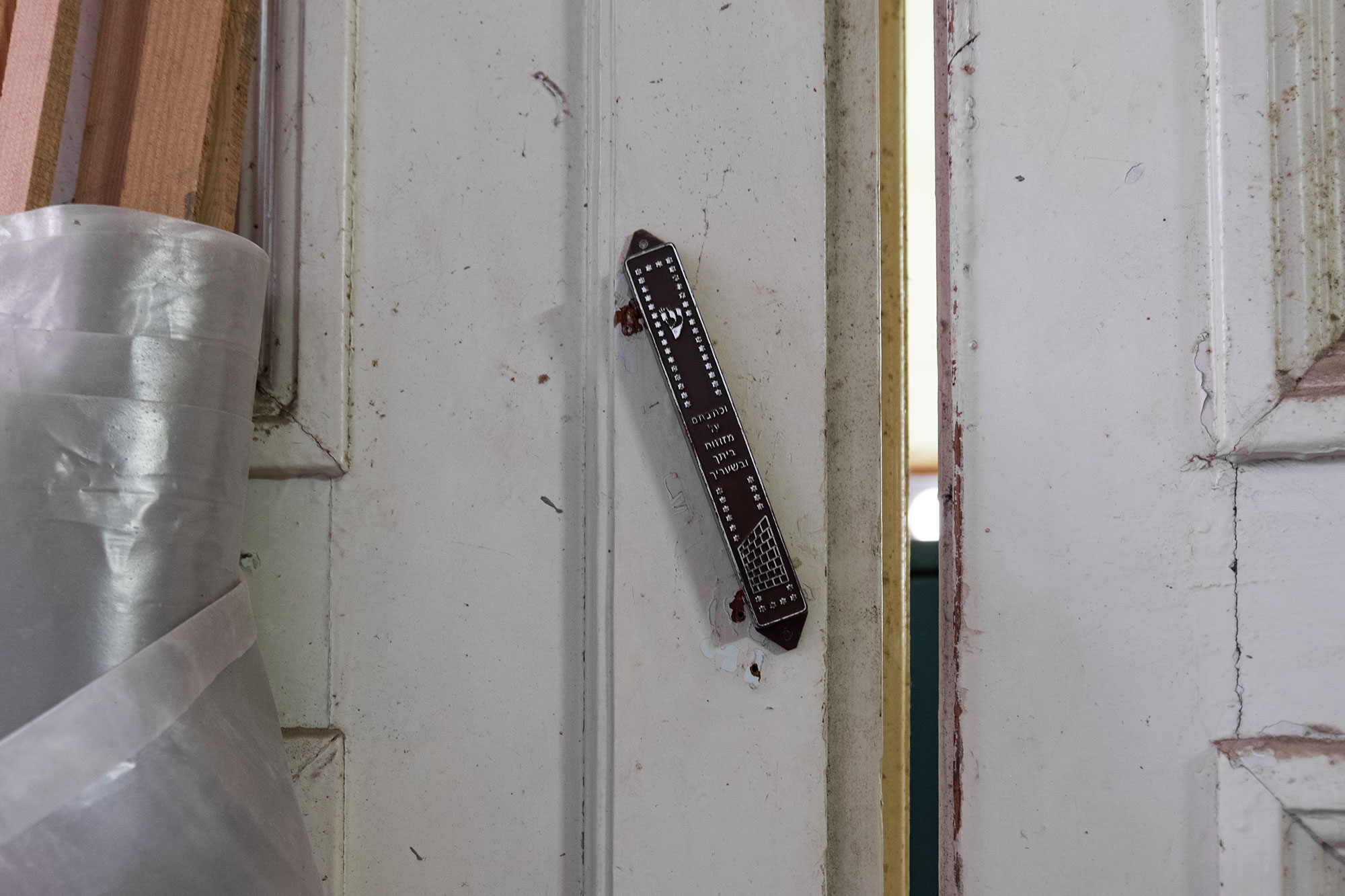
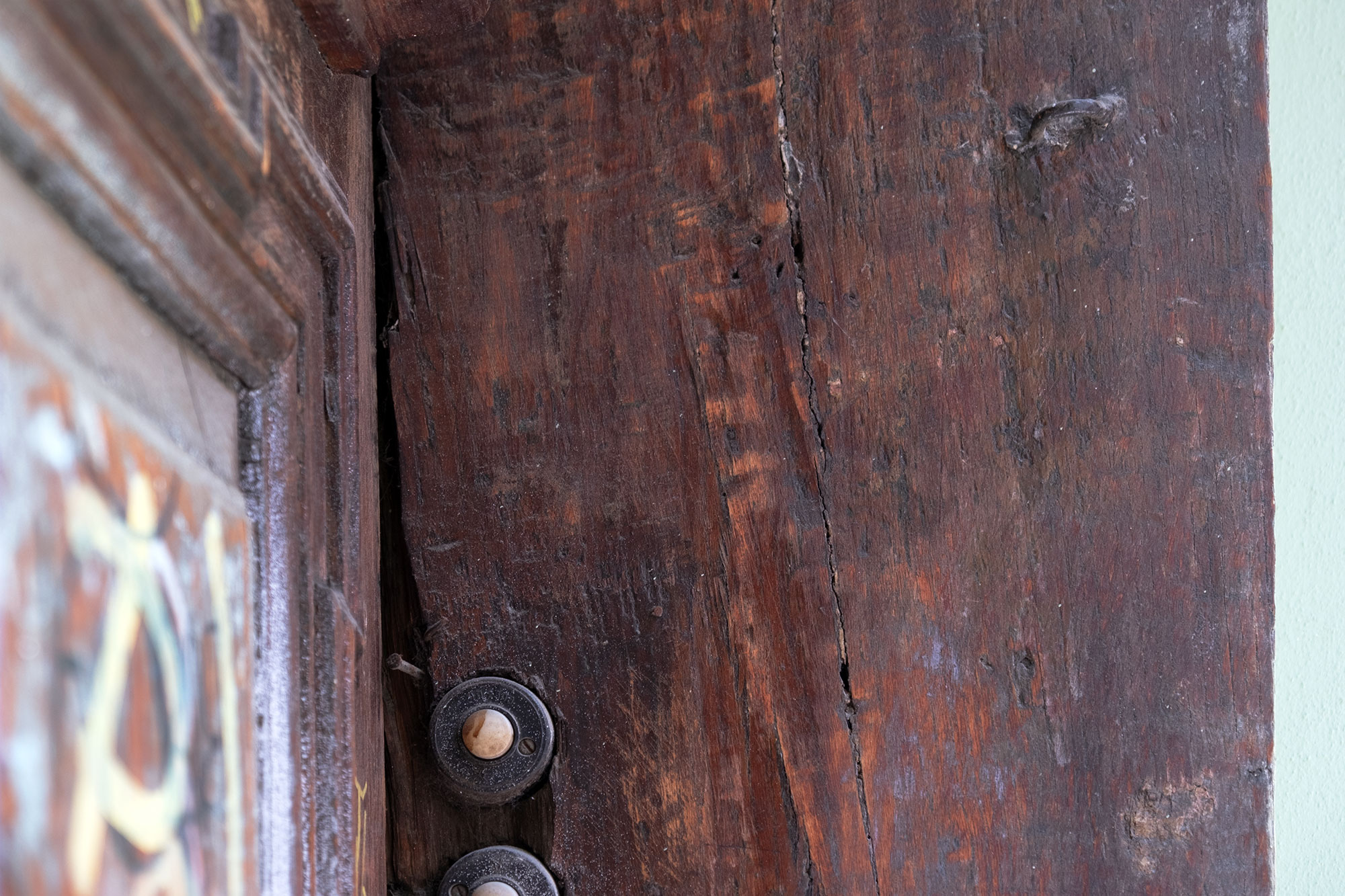
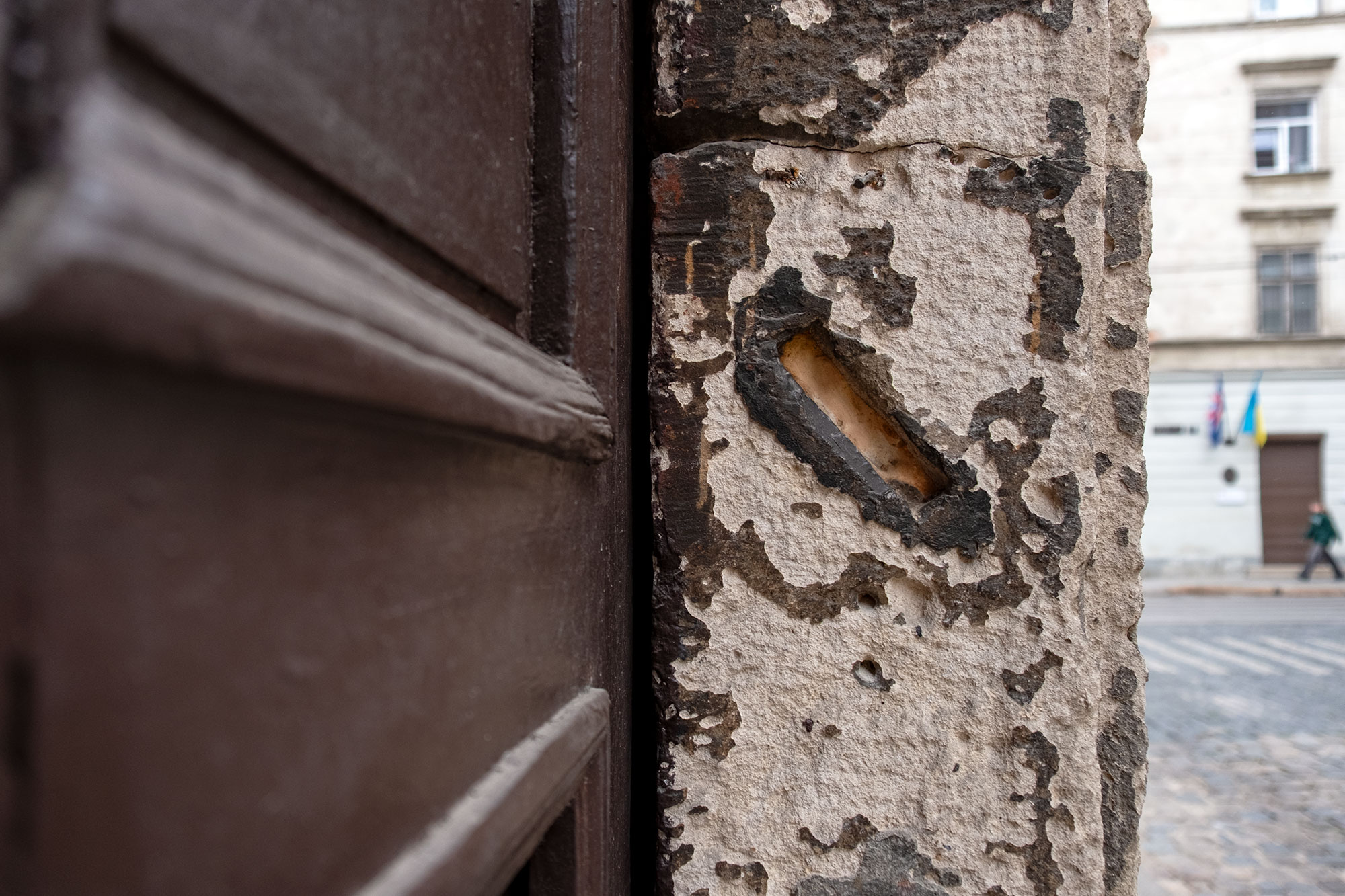
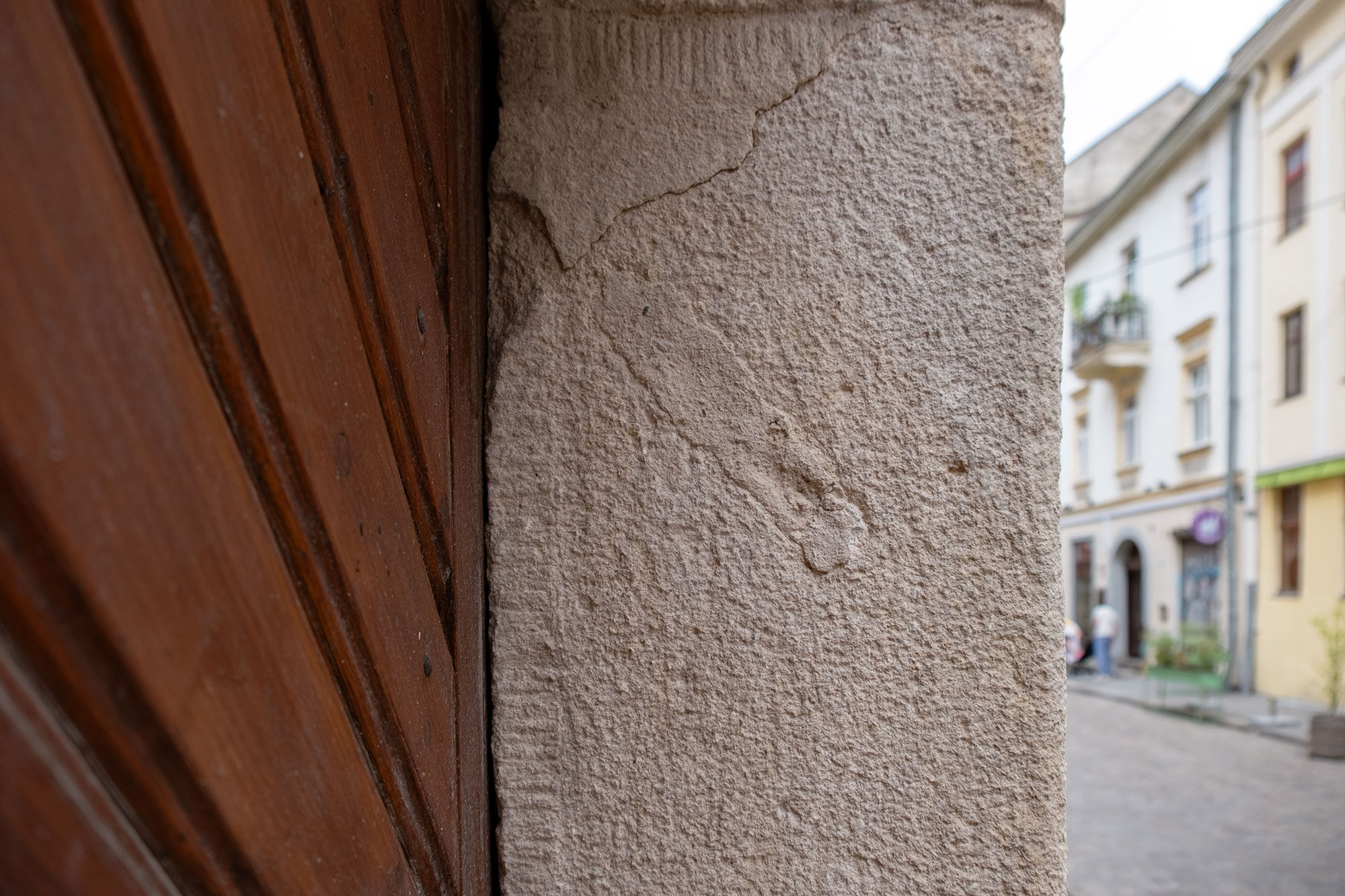
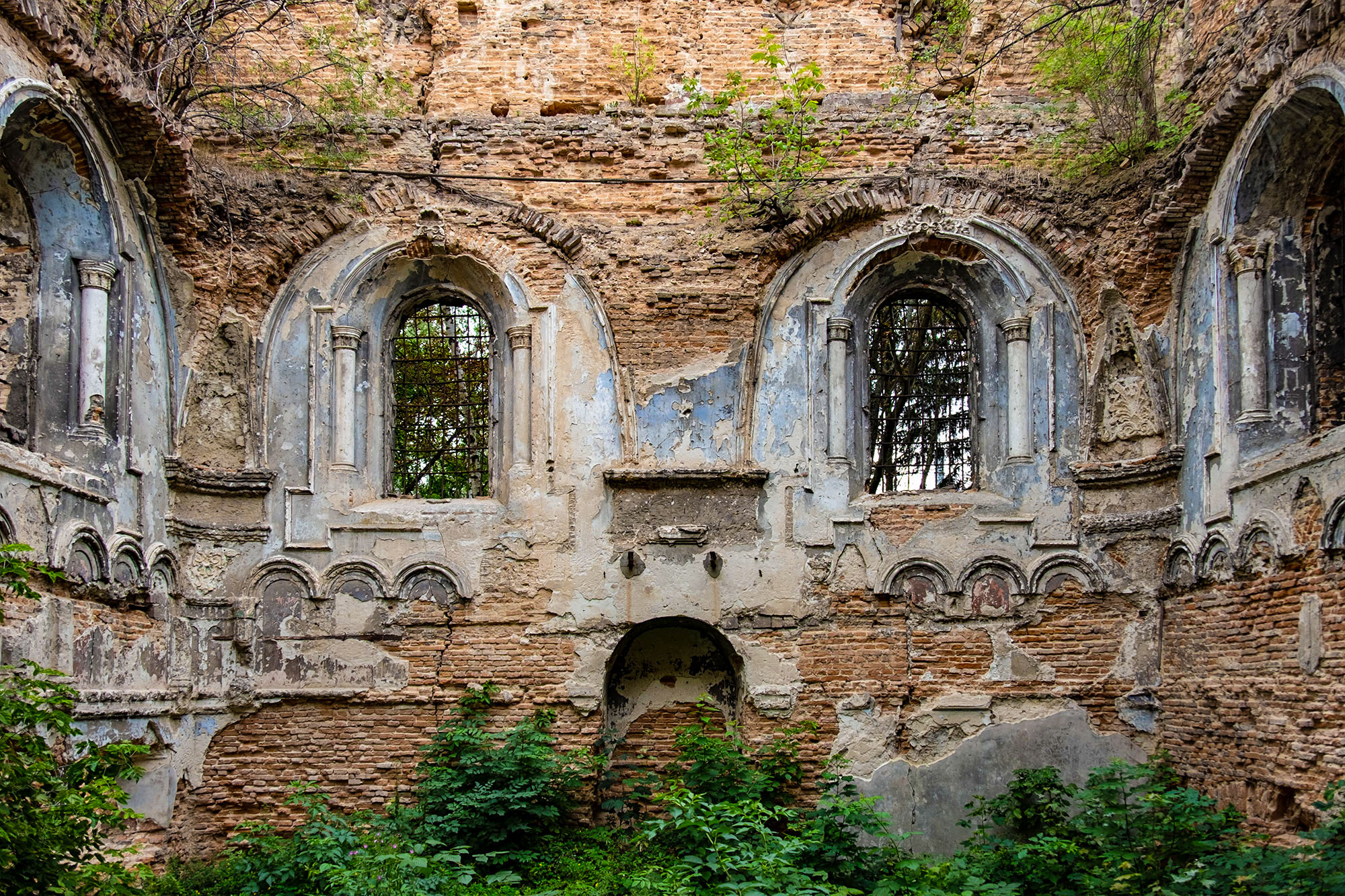
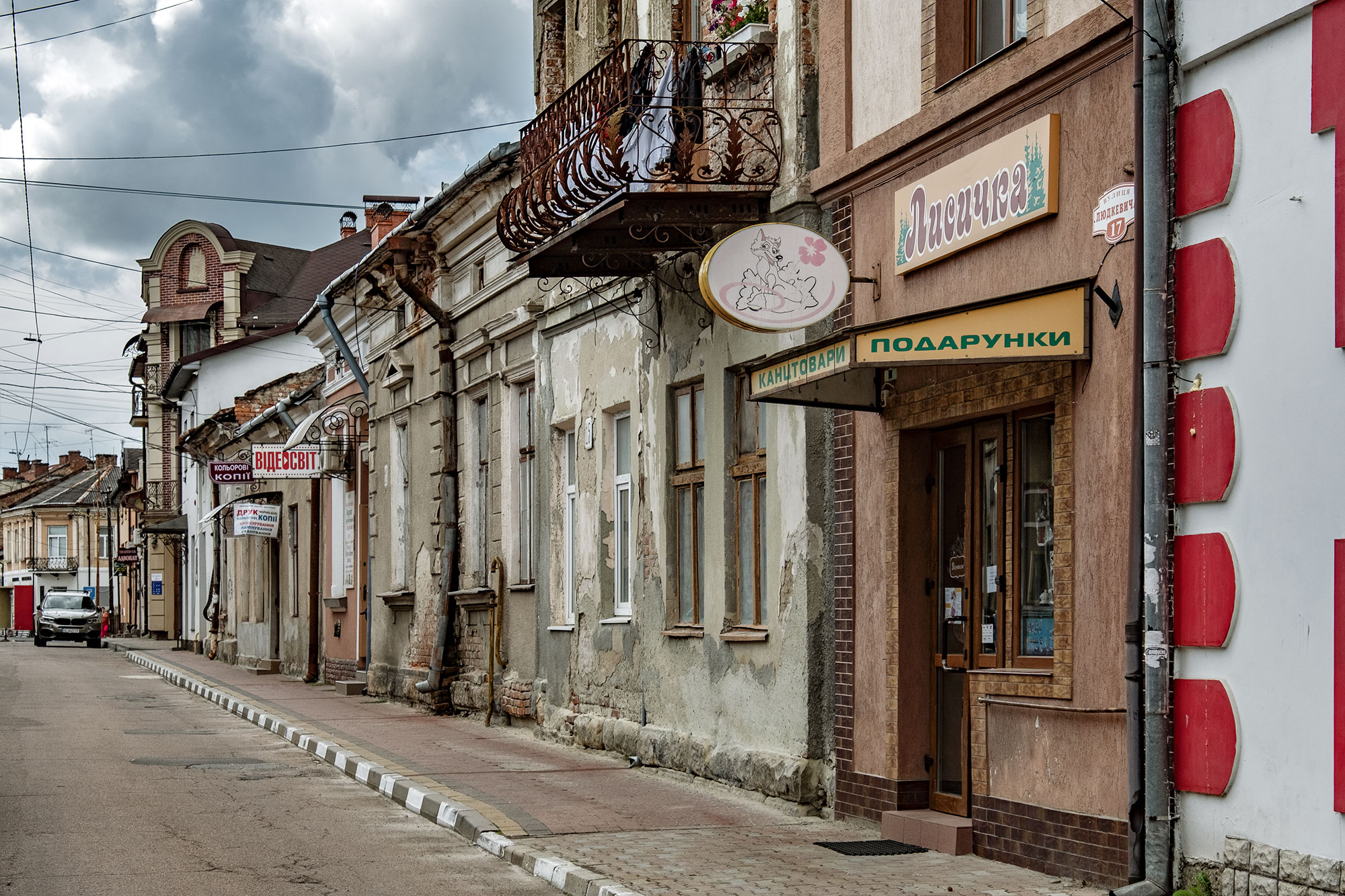
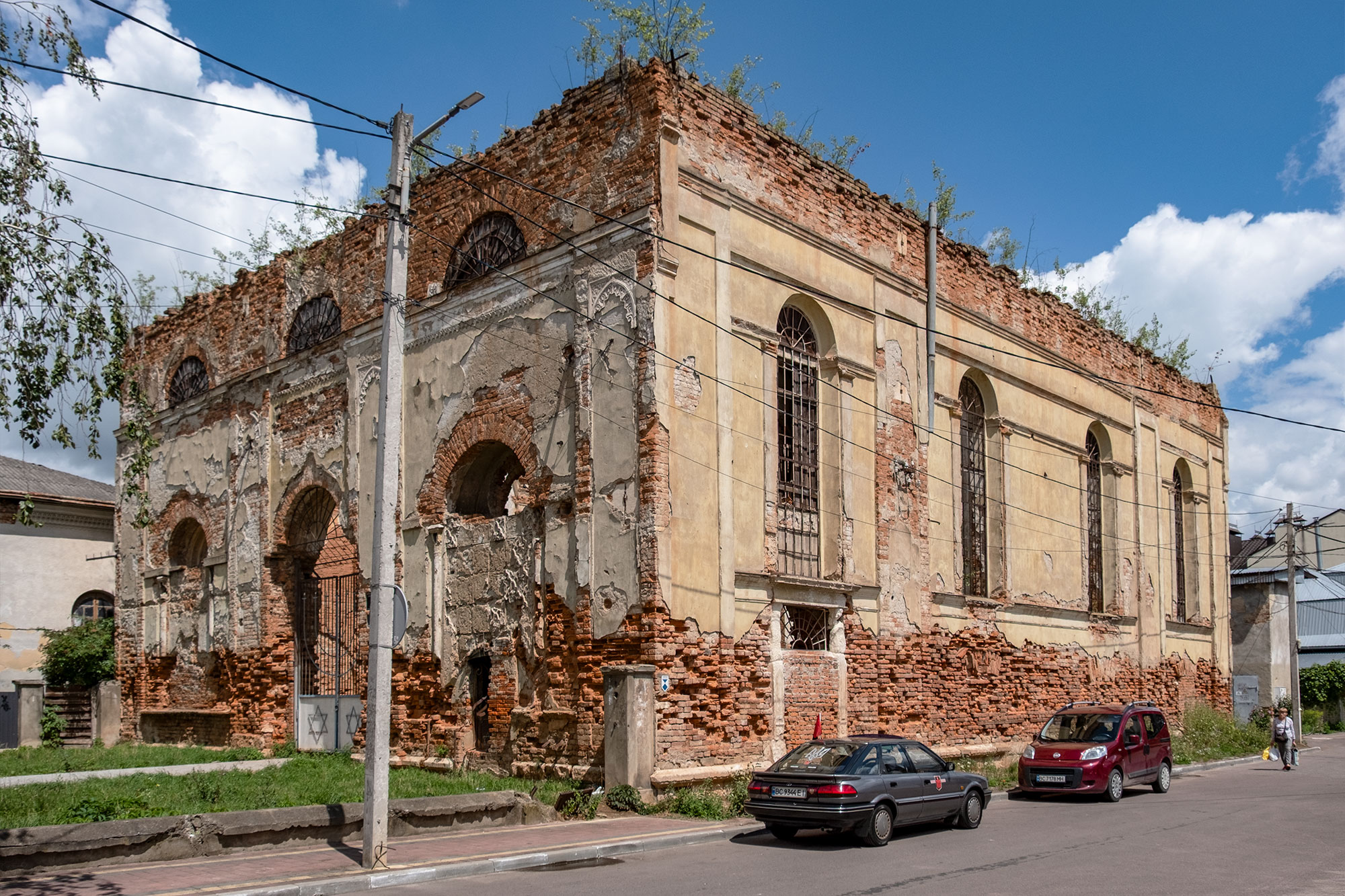
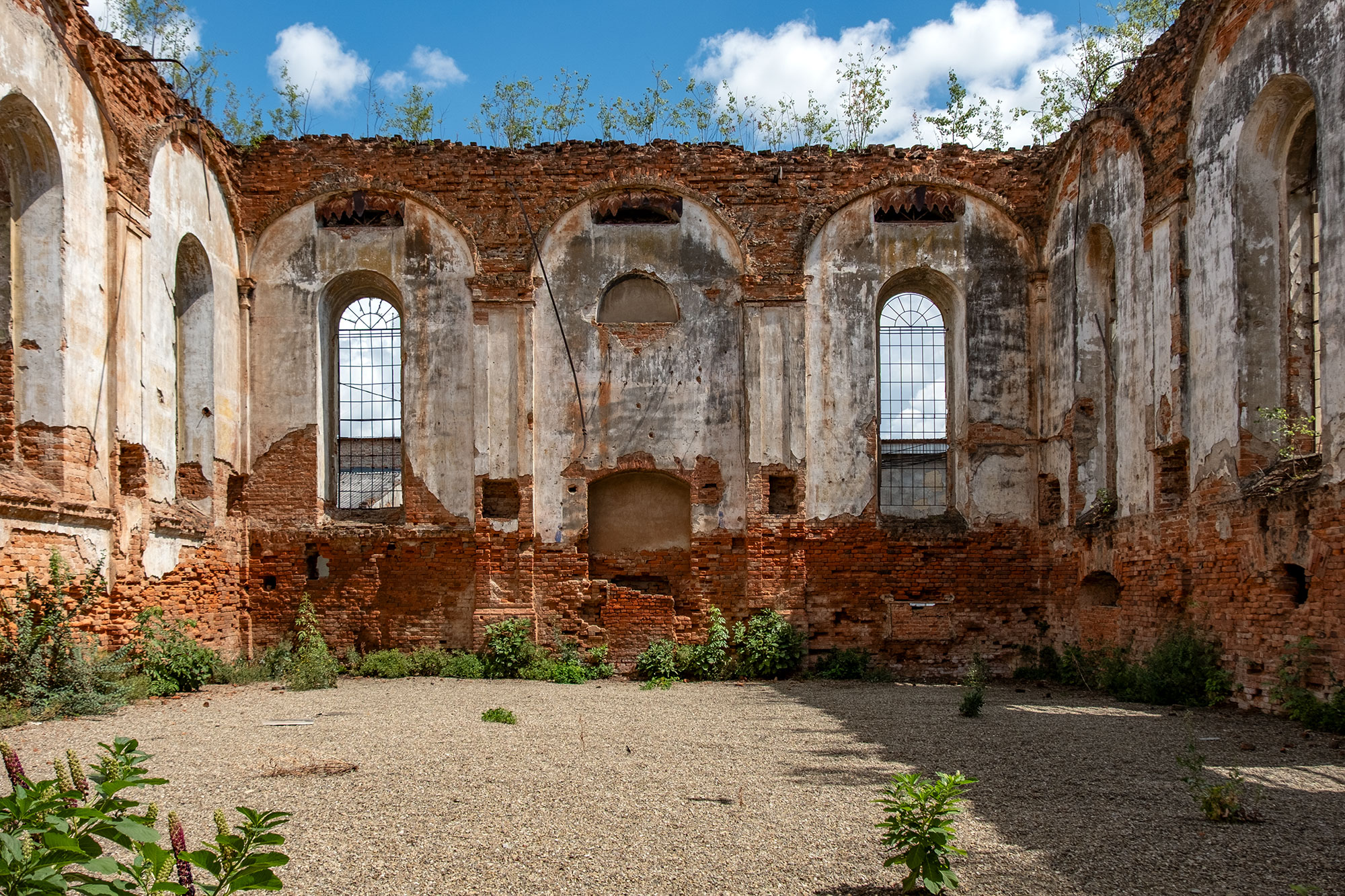
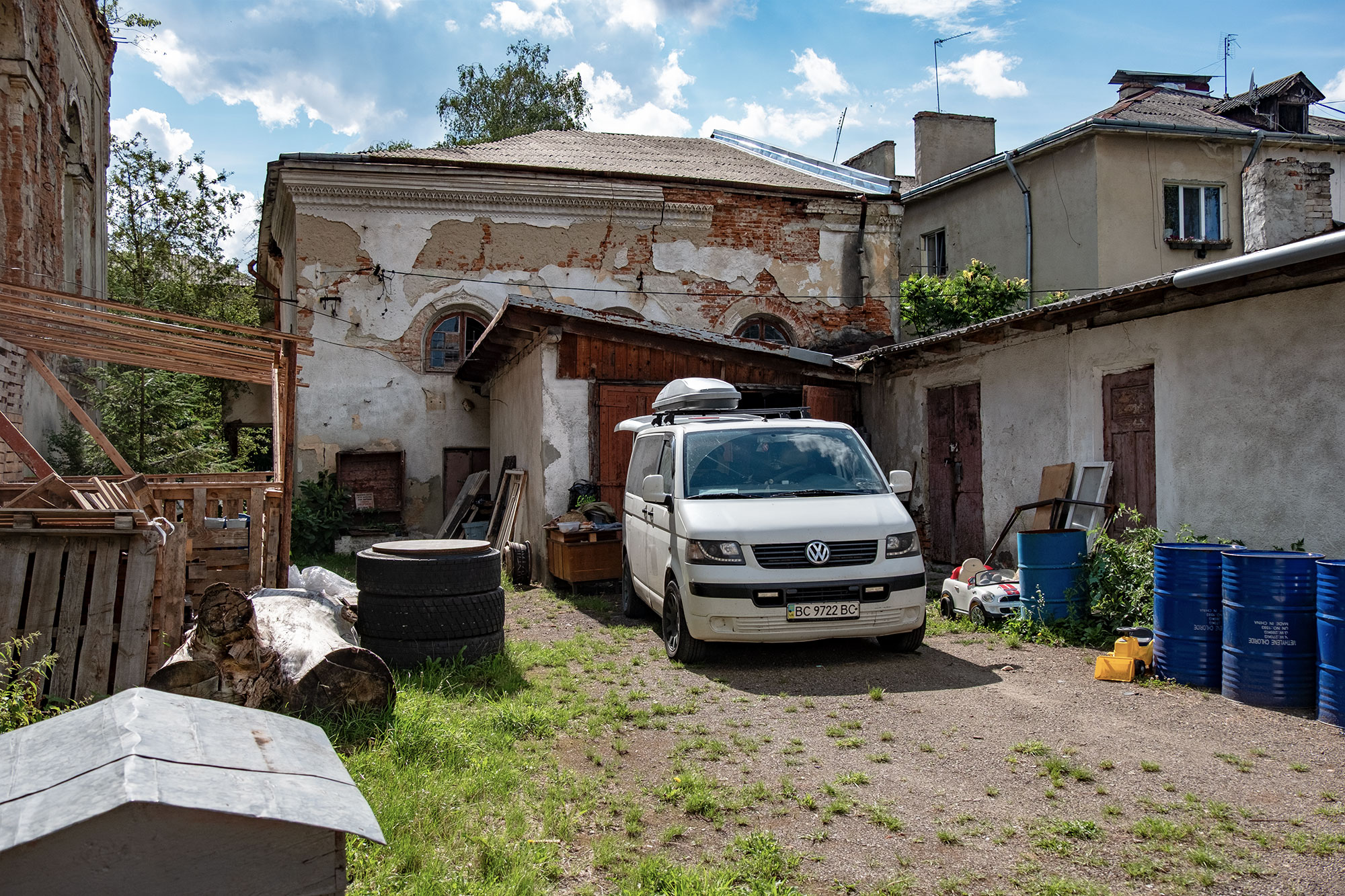
Stryi is the big surprise of this trip. Our friend Tetyana is joining us. Together we walk from the bus stop to the market square to meet my friends Natalya and Vitalii and their two children. Since the war began, they have been living in a village north of Stryi. It is safer there than in Lviv. The market square is a well-preserved complex dating from the Austrian period. With a bit of luck and a keen eye, you can spot traces of mezuzot – Jewish home blessings – on the door frames there and in the neighbouring streets. The ruins of the Great Synagogue are not far from the market. The floor inside the building has been covered with gravel to keep the overgrown vegetation under control. It seems to be helping. Right next to the Great Synagogue stands another building with Jewish history, probably a Beit Midrash. It’s almost impossible to photograph it from the street. But I’m in luck. The courtyard gate is open; a craftsman has a shed there. From here, the Beit Midrash is much easier to make out. It’s just that the sunlight isn’t playing along, but I still manage to take a few decent photos against the light. We take a long stroll through Stryi and time and again something catches our eye. Sometimes it’s a beautiful Art Nouveau building, sometimes an impressive school, sometimes an interesting architectural detail. Stryi has more to offer than we thought.
The journey back to Germany is less stressful than the outward journey. Our bus driver chooses a different border crossing. This means a longer travel time on small country roads, but in return, quicker border clearance. We’re through after two and a half hours. And LOT isn’t running late this time either. Nevertheless, we’re considering travelling via Suceava in Romania to Ukraine again next time. The buses are timed to coincide with the flights and crossing the border is quick.
It was a calm time in Lviv. But the calm didn’t last long. Two nights after we left, the city came under attack again. It has become a sad routine. But we’ll come back anyway.

This work is licensed under a Creative Commons Attribution-NonCommercial-NoDerivatives 4.0 International License.

