I first visited Ioannina in 1980. A few weeks ago, my wife Anna and I returned from our most recent trip there. For various reasons, this city in north-western Greece has been a constant presence in my life. It was long after my first journey that I learnt there had been, and still is, a Jewish Ioannina. Now I cannot get it out of my mind.
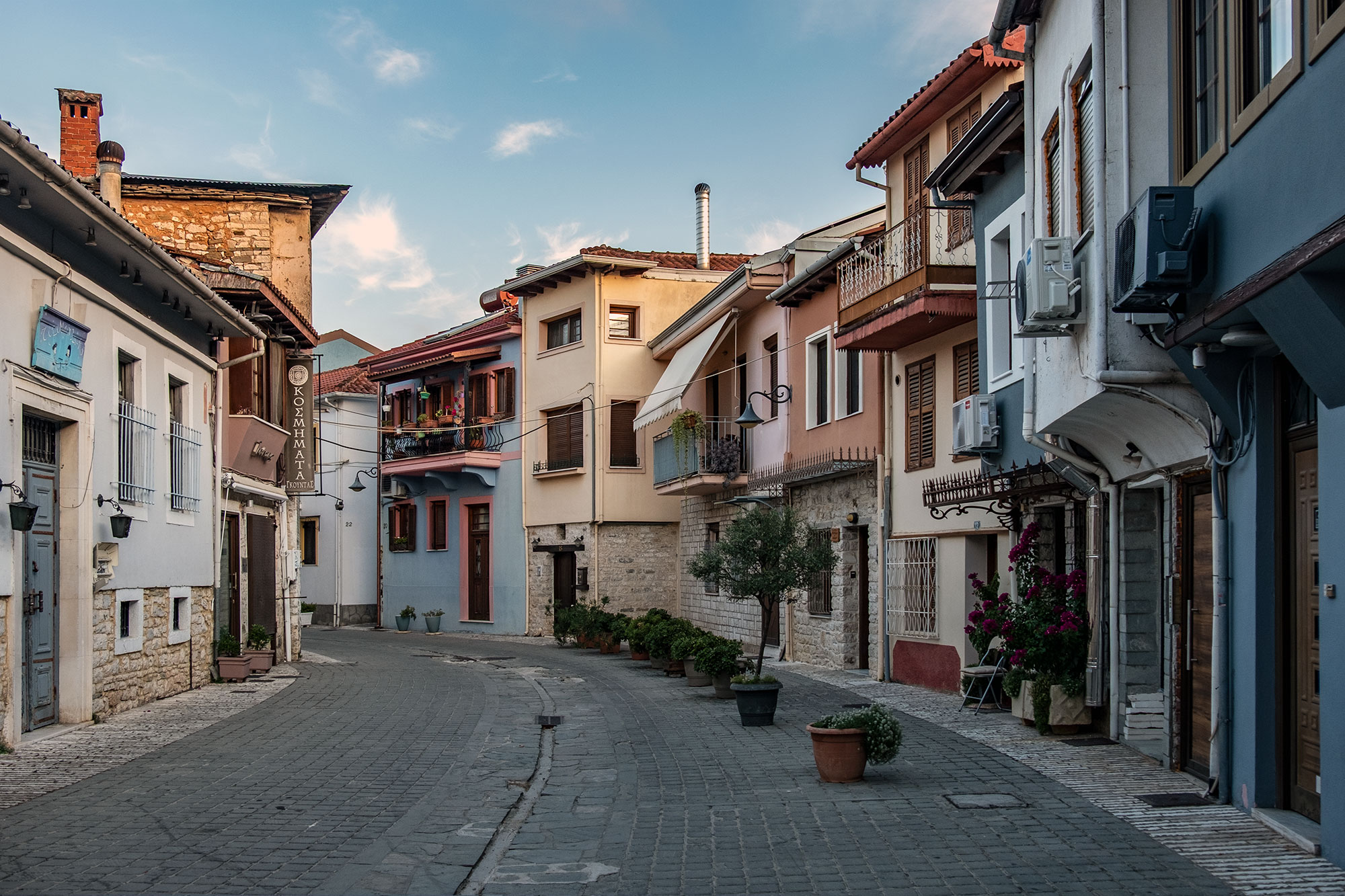
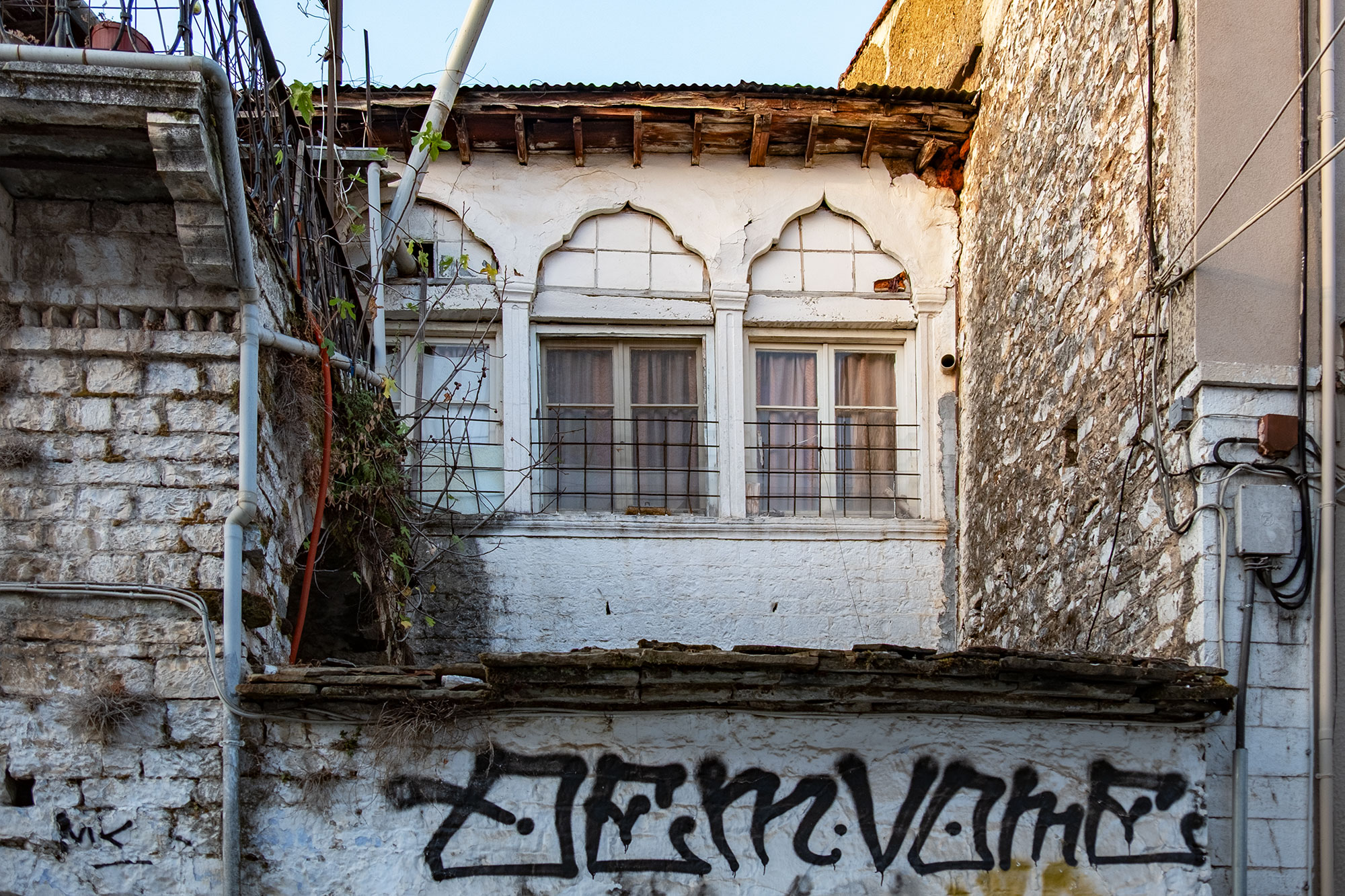
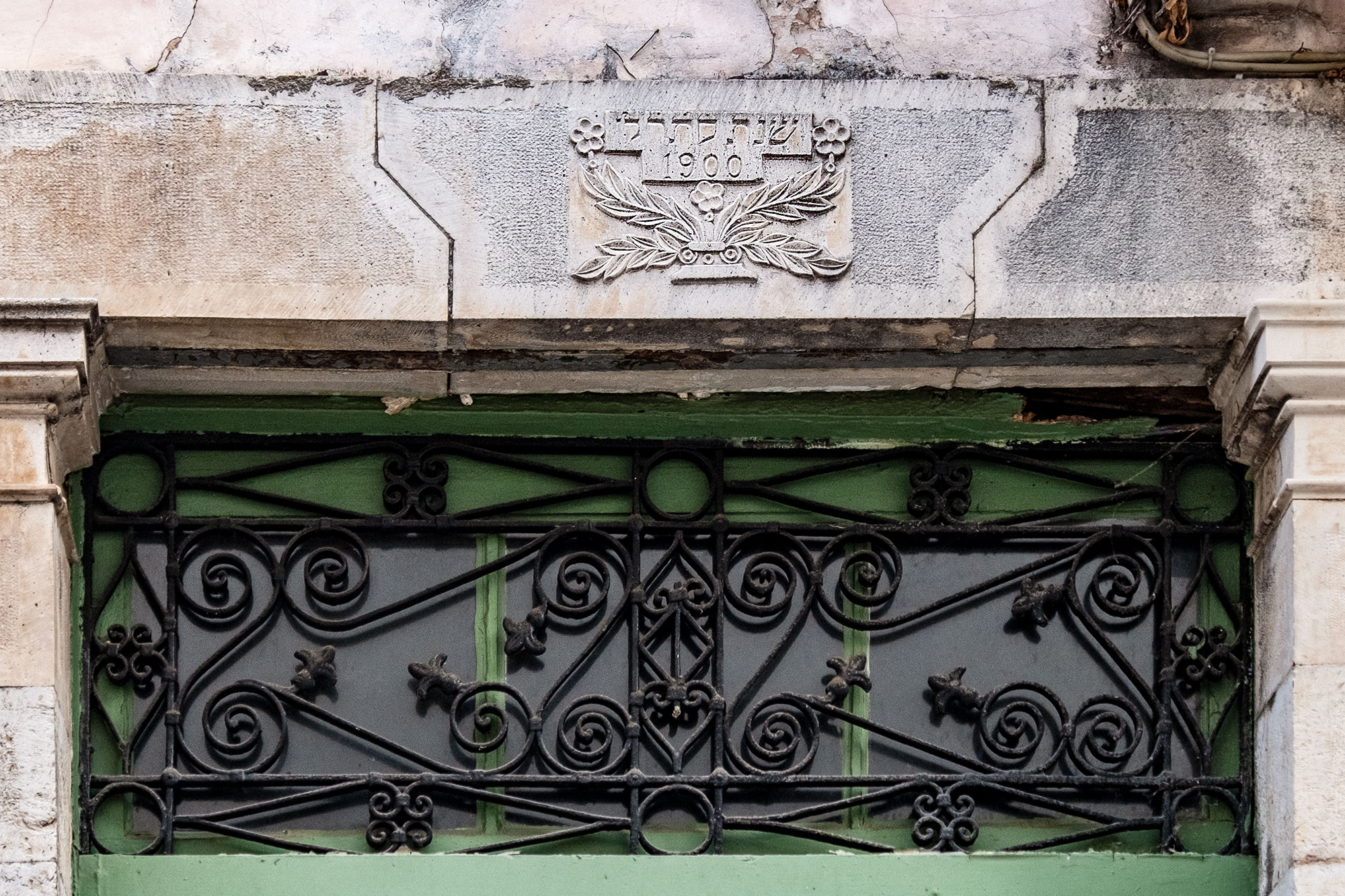
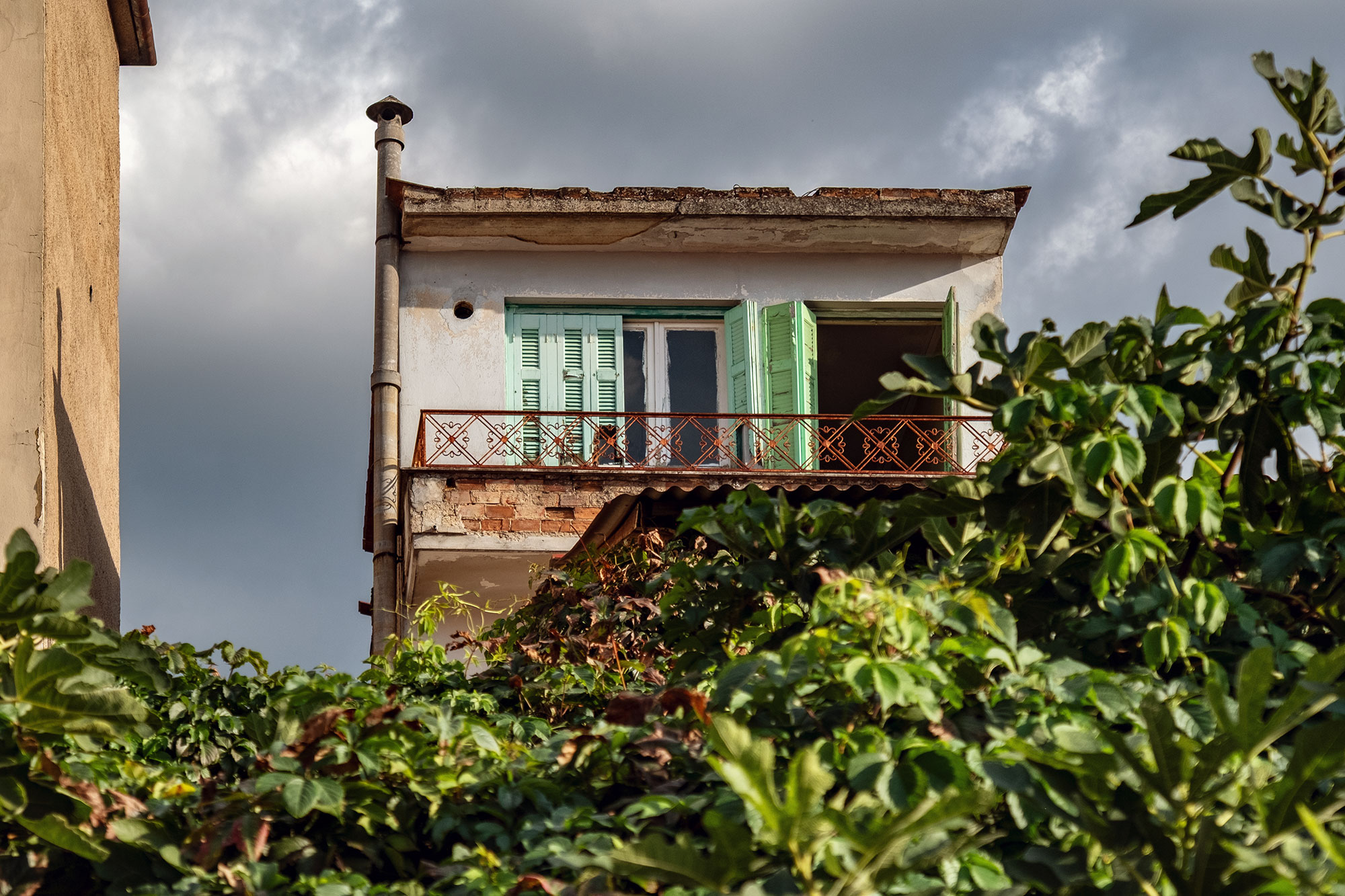
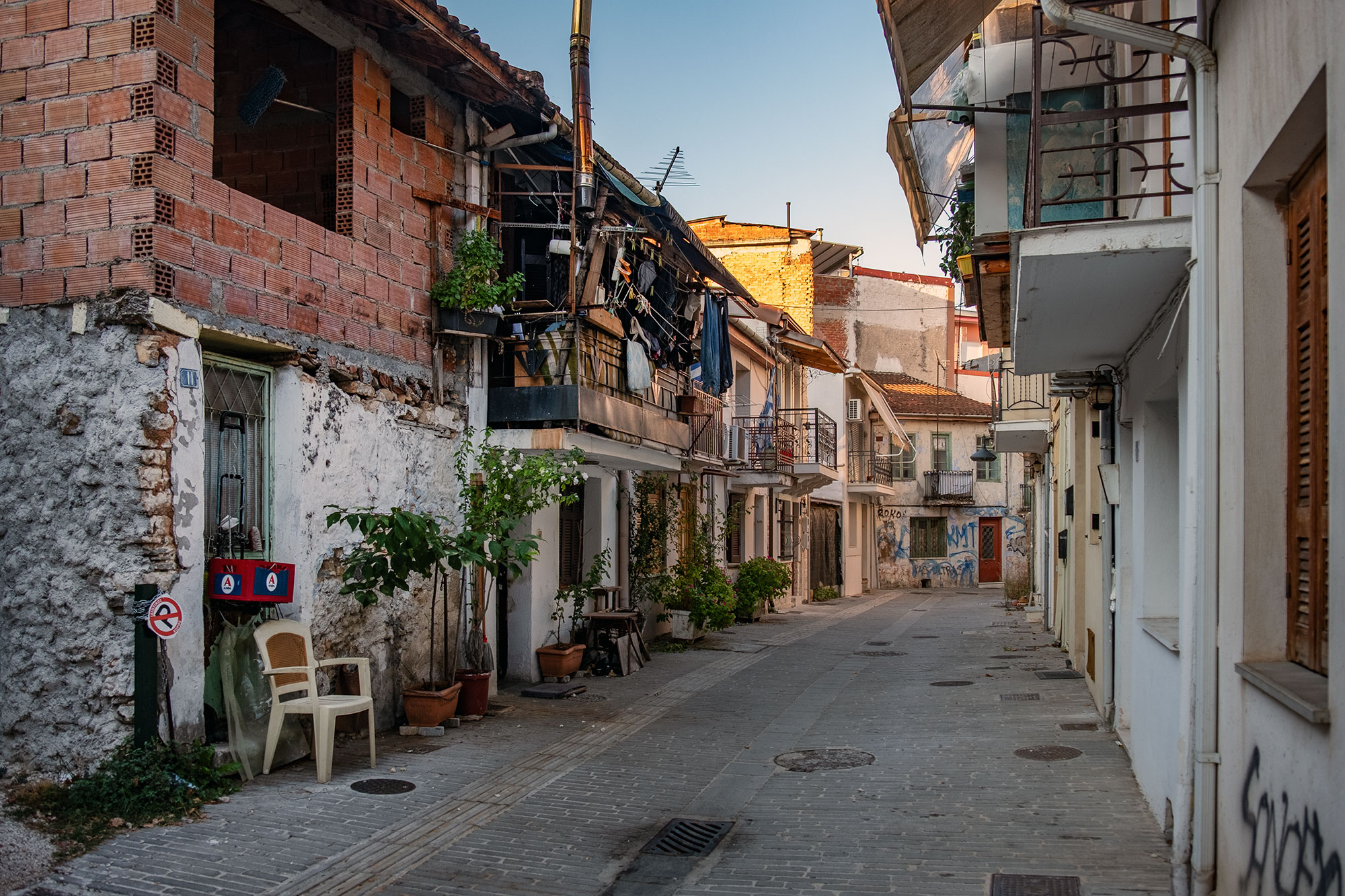
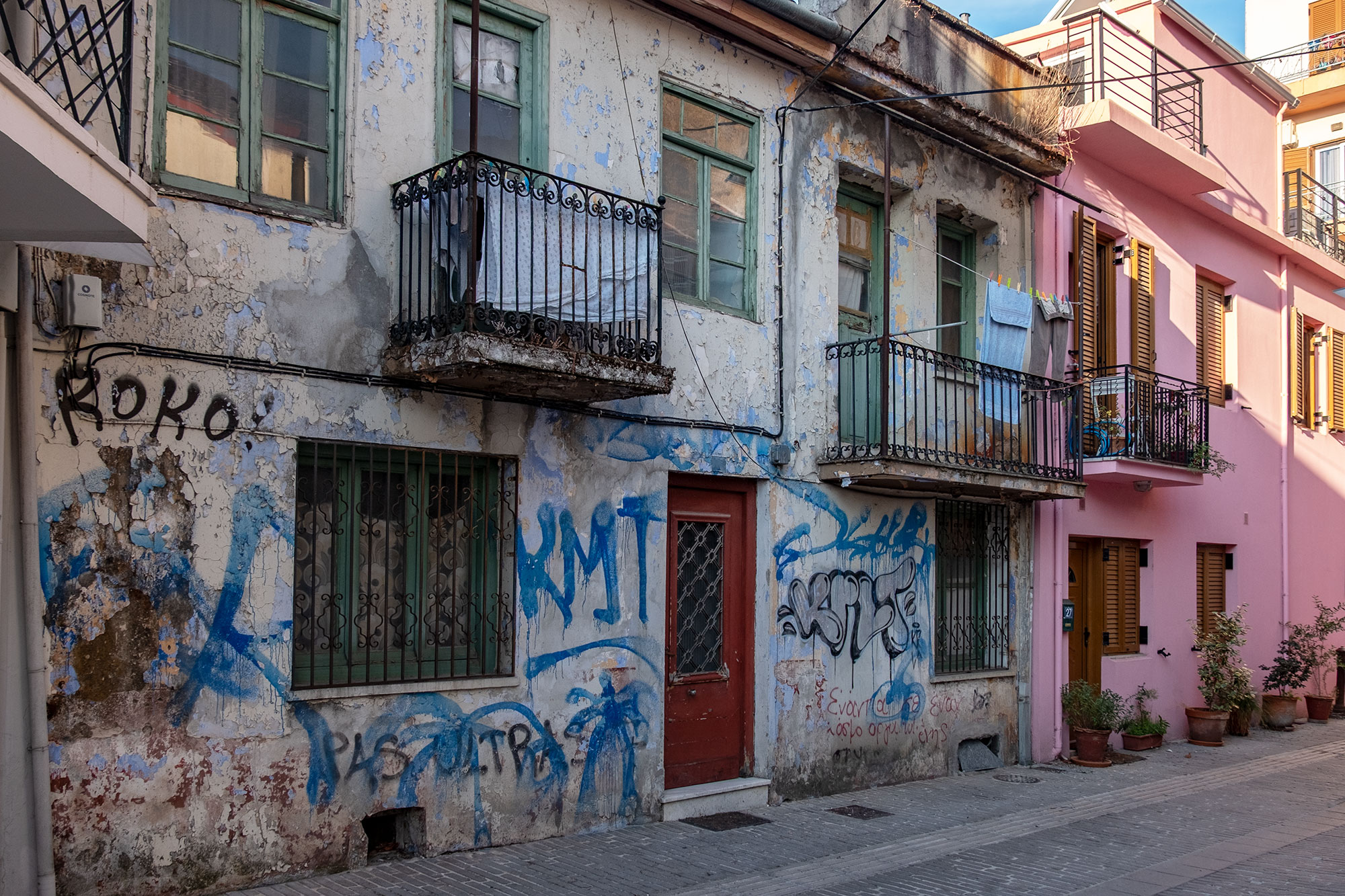
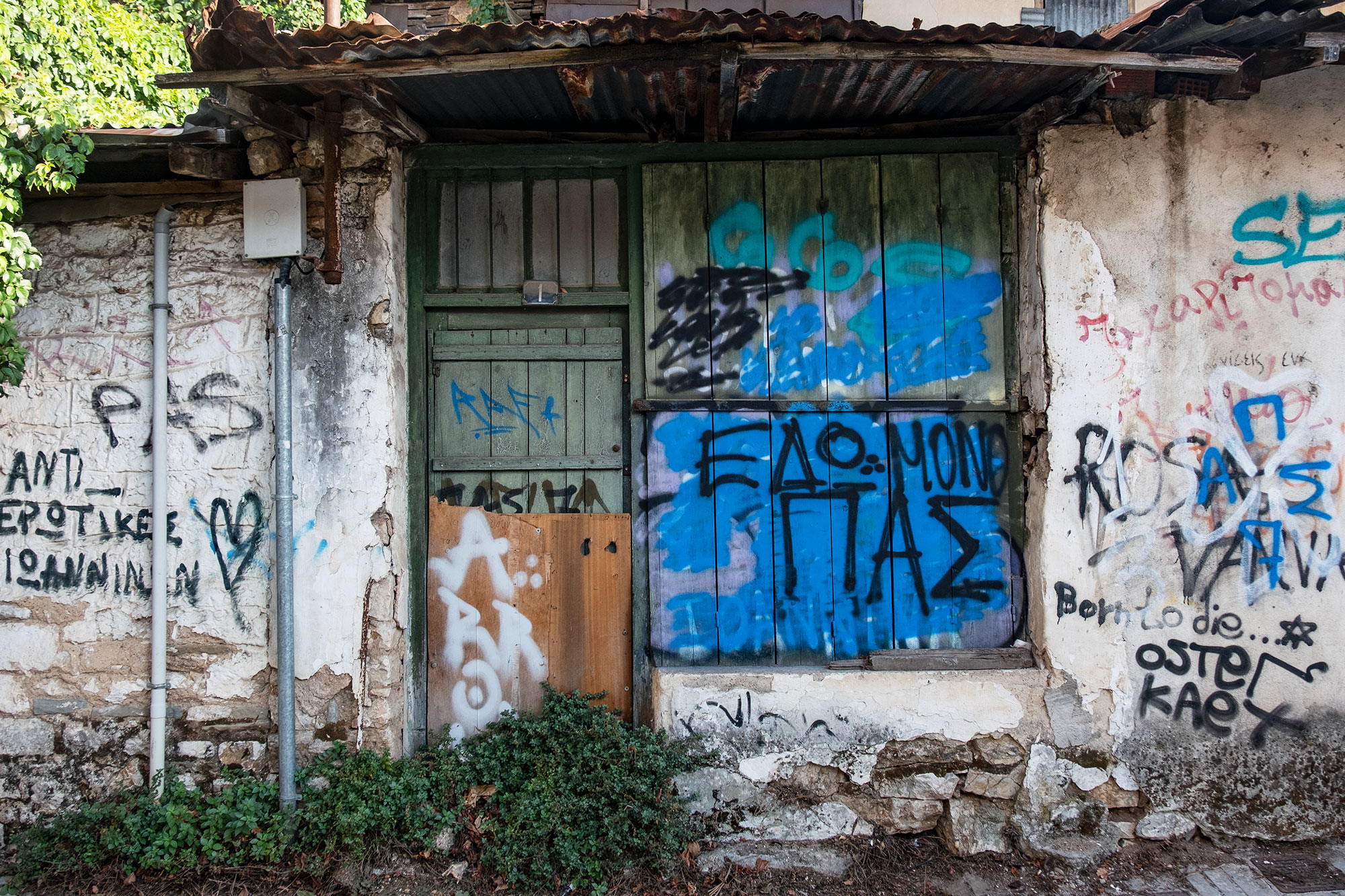
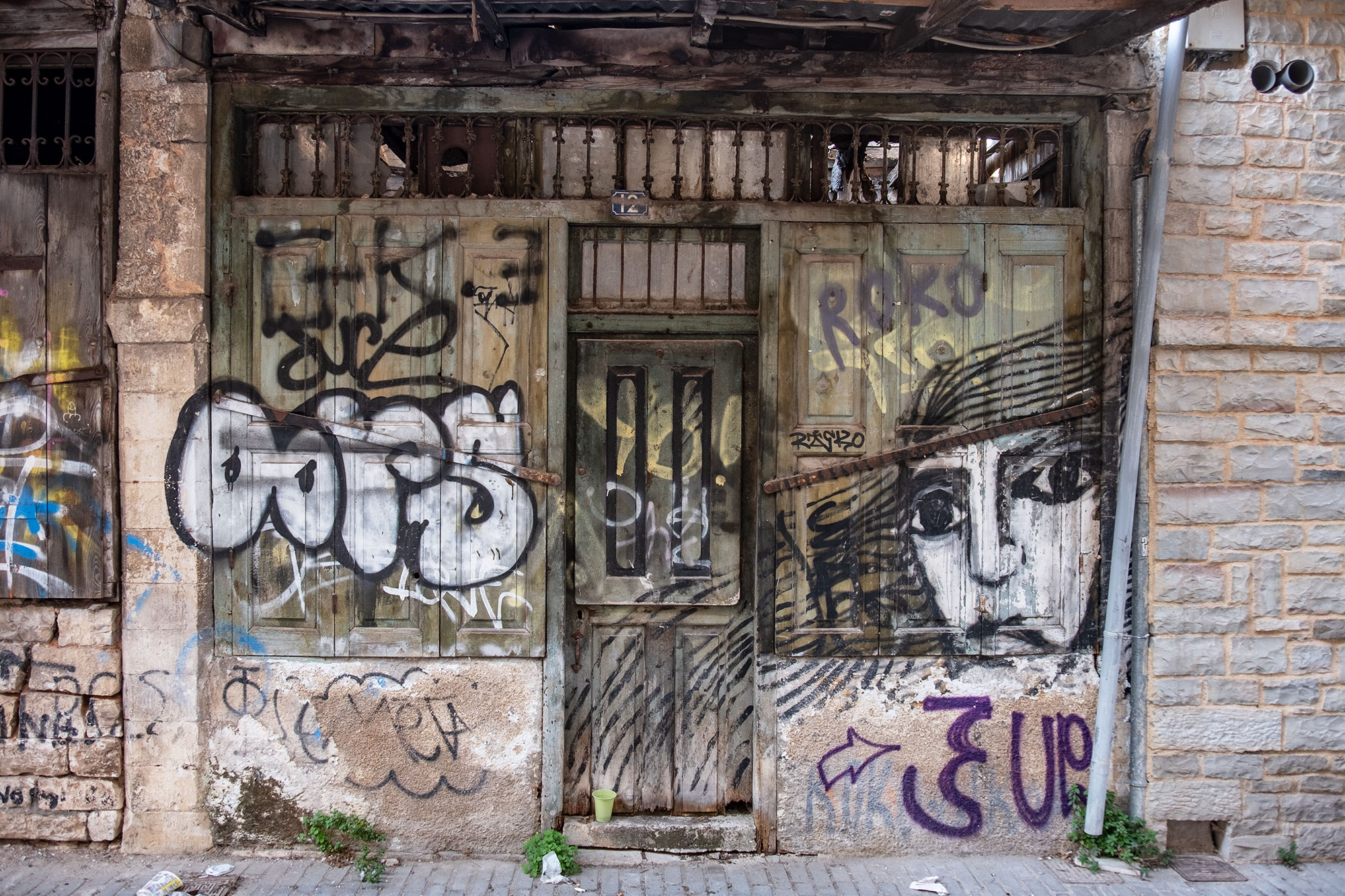
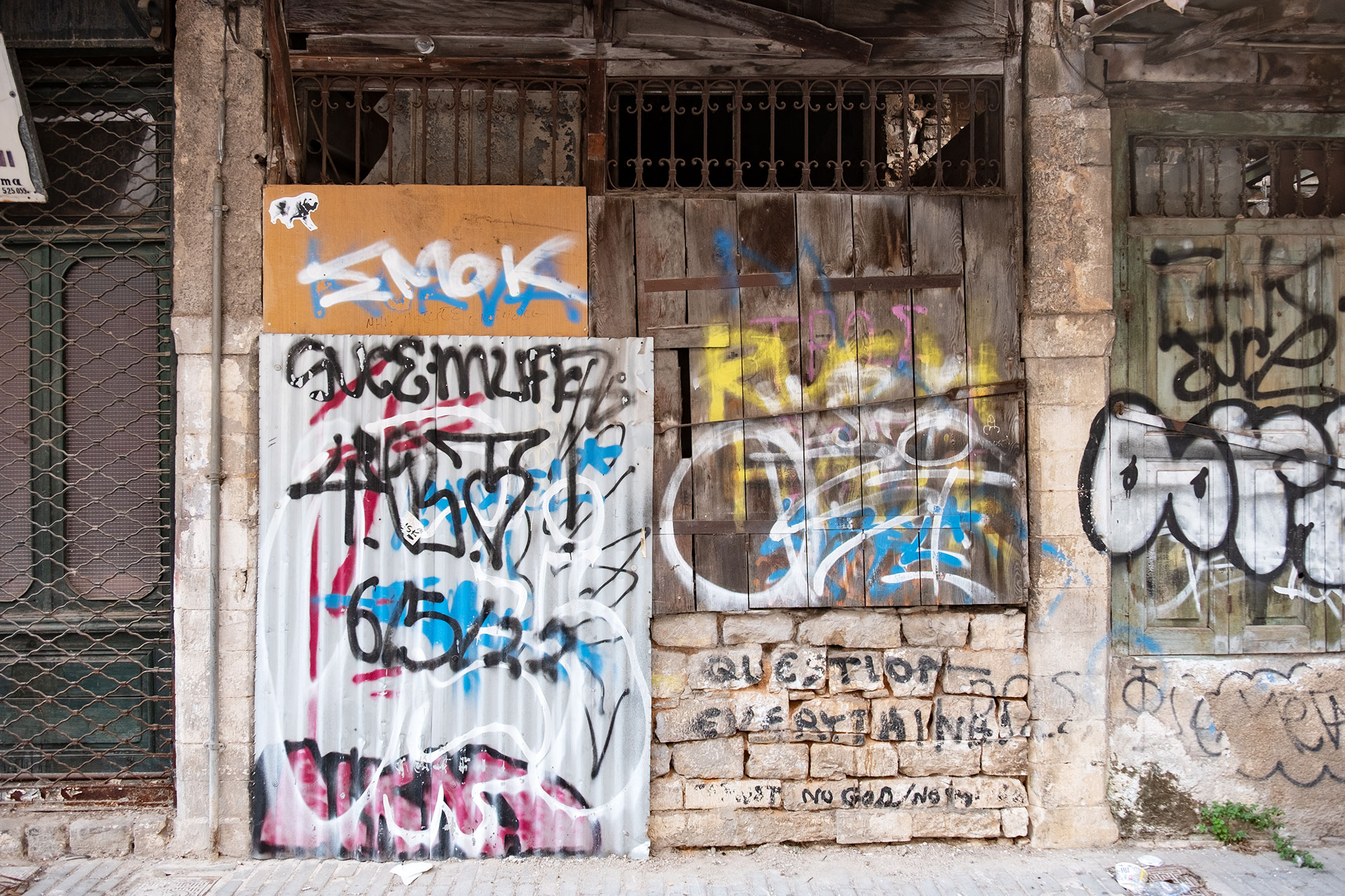
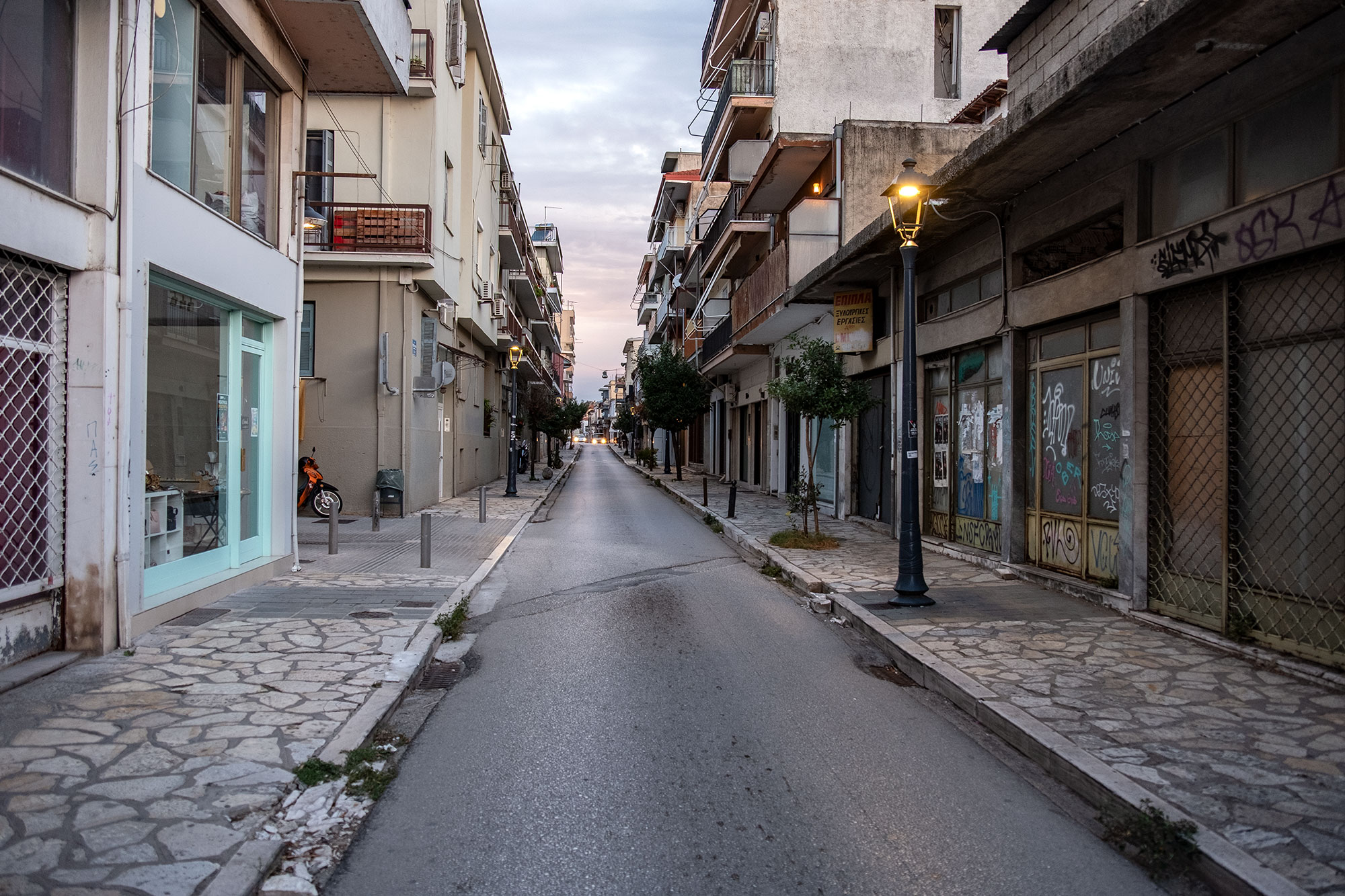
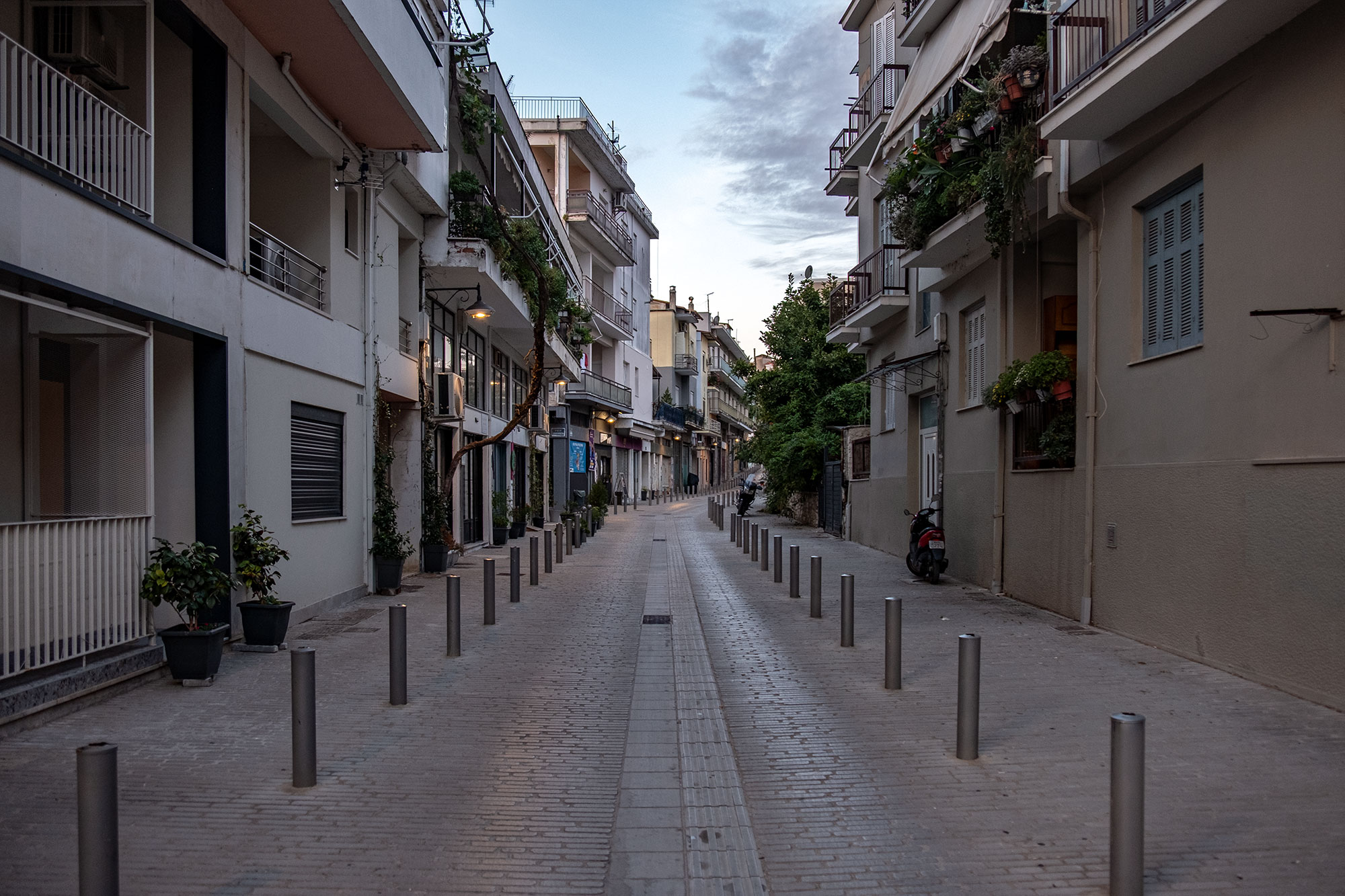
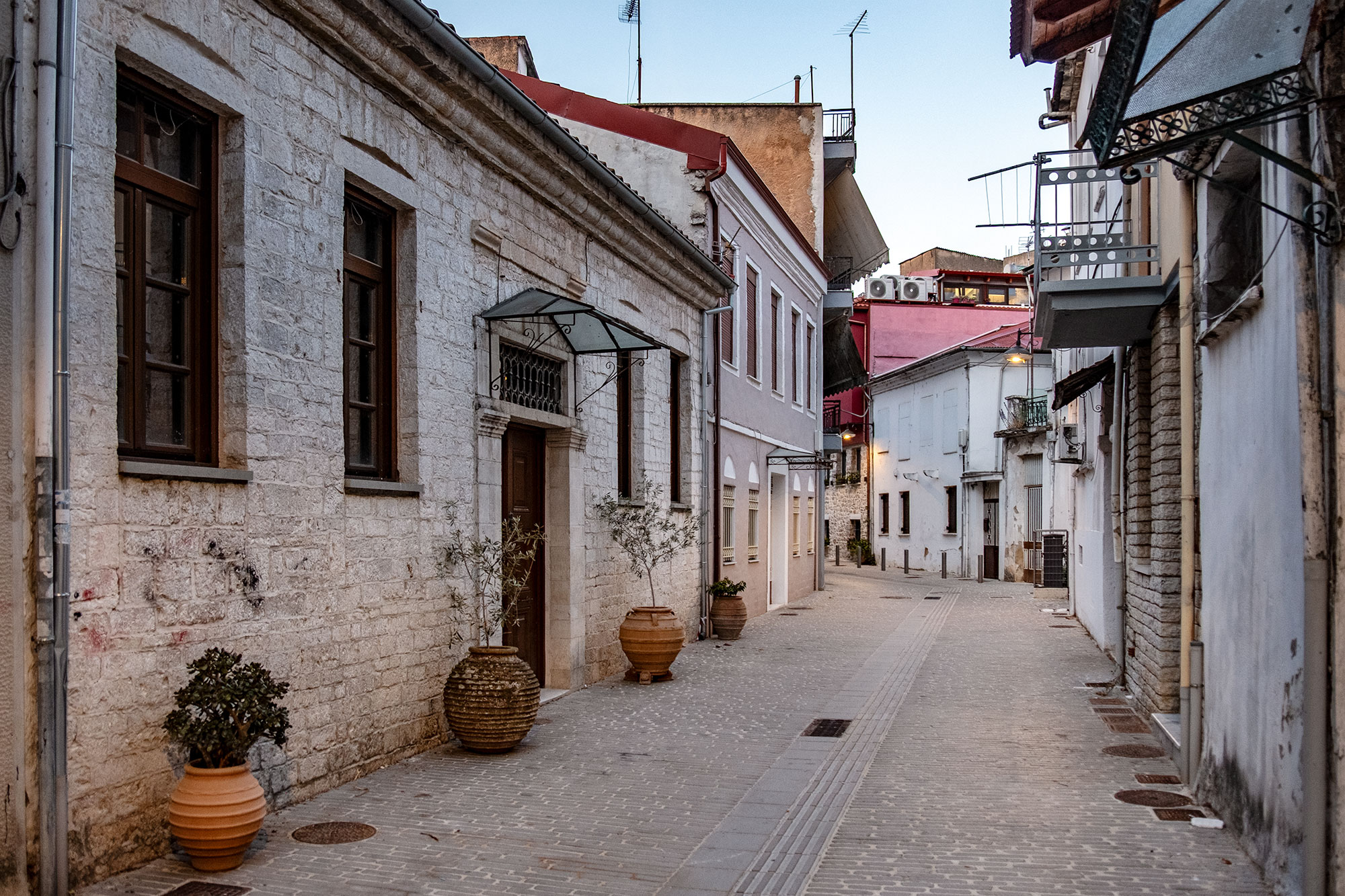
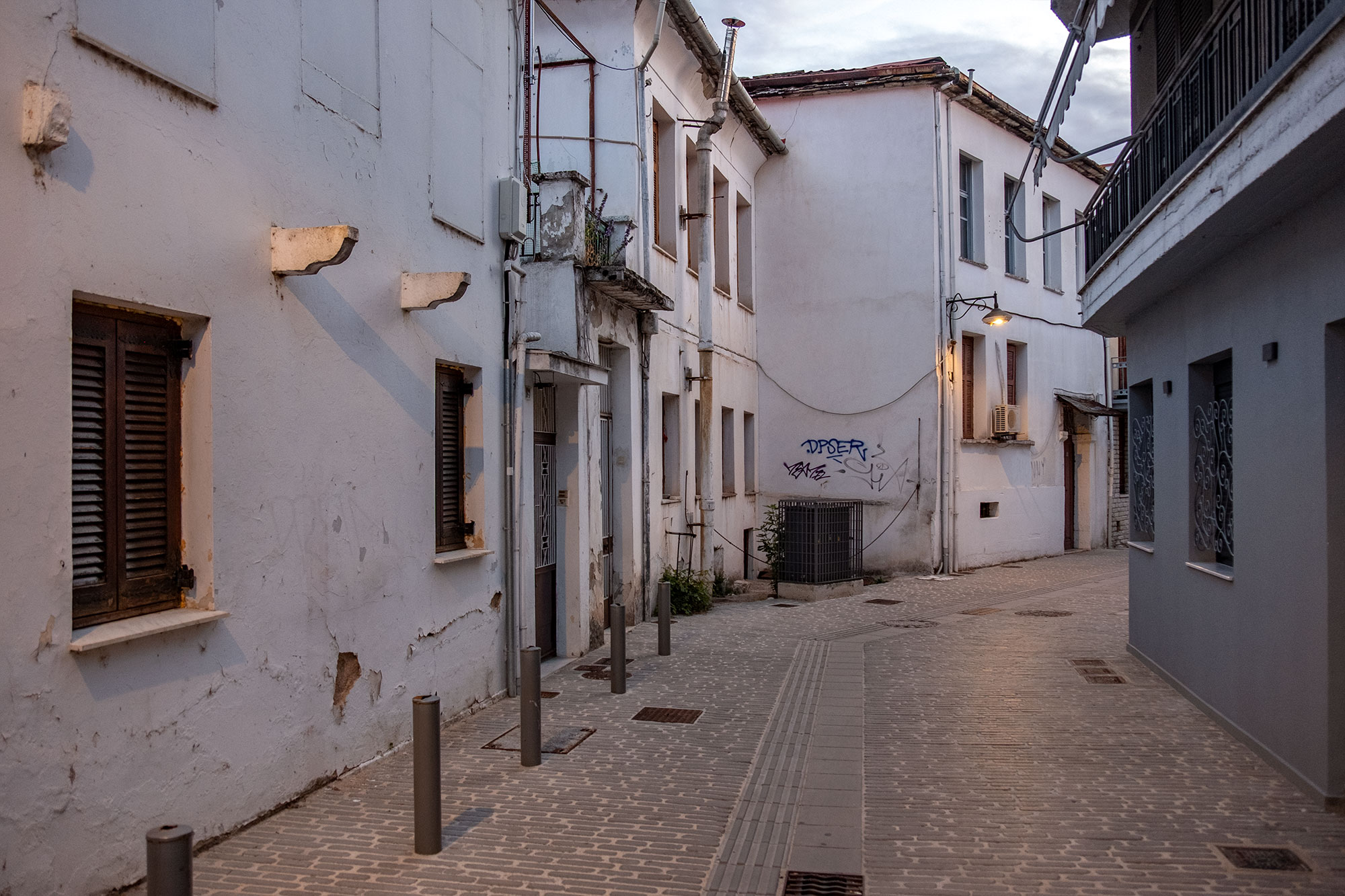
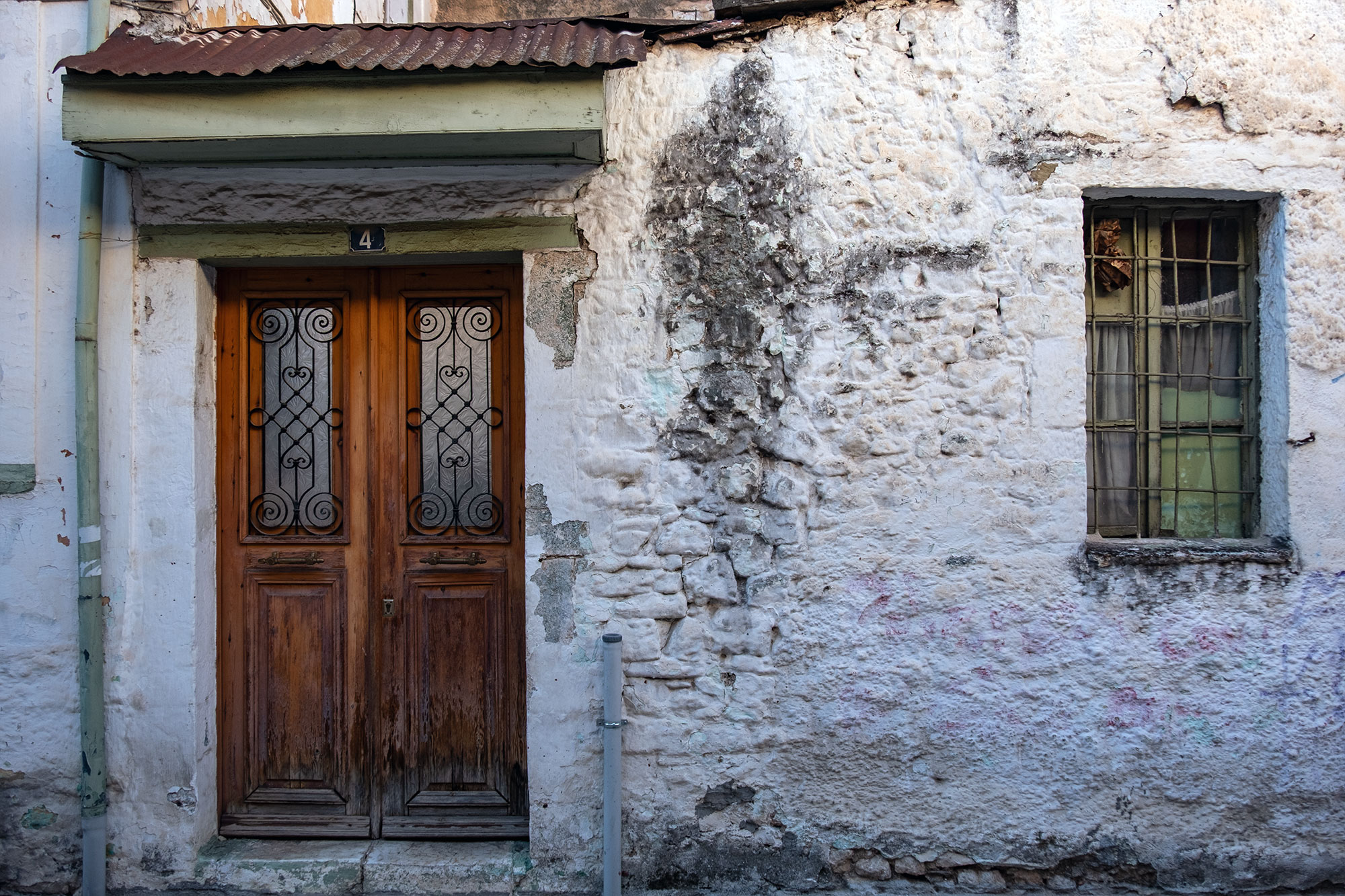
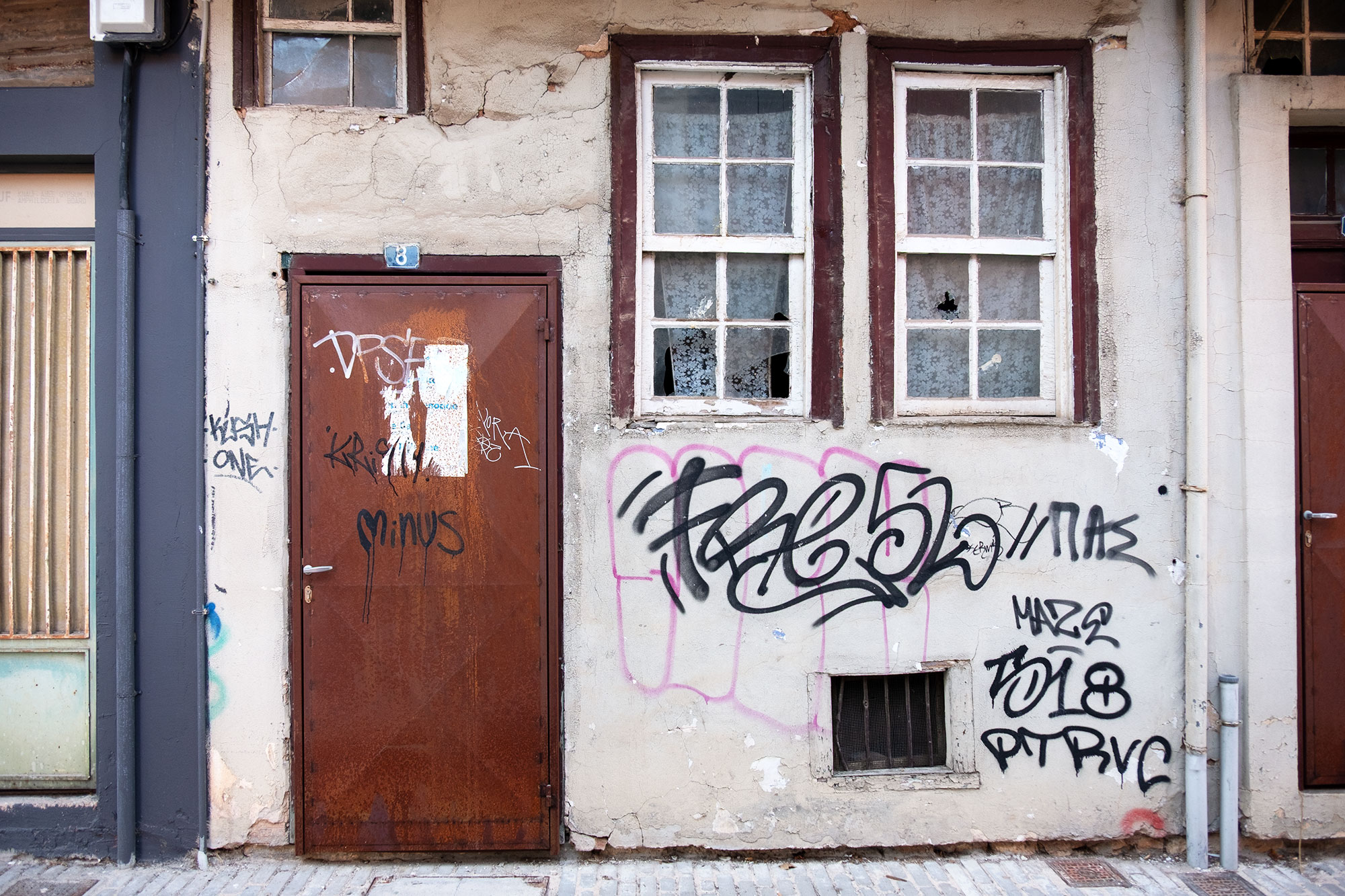
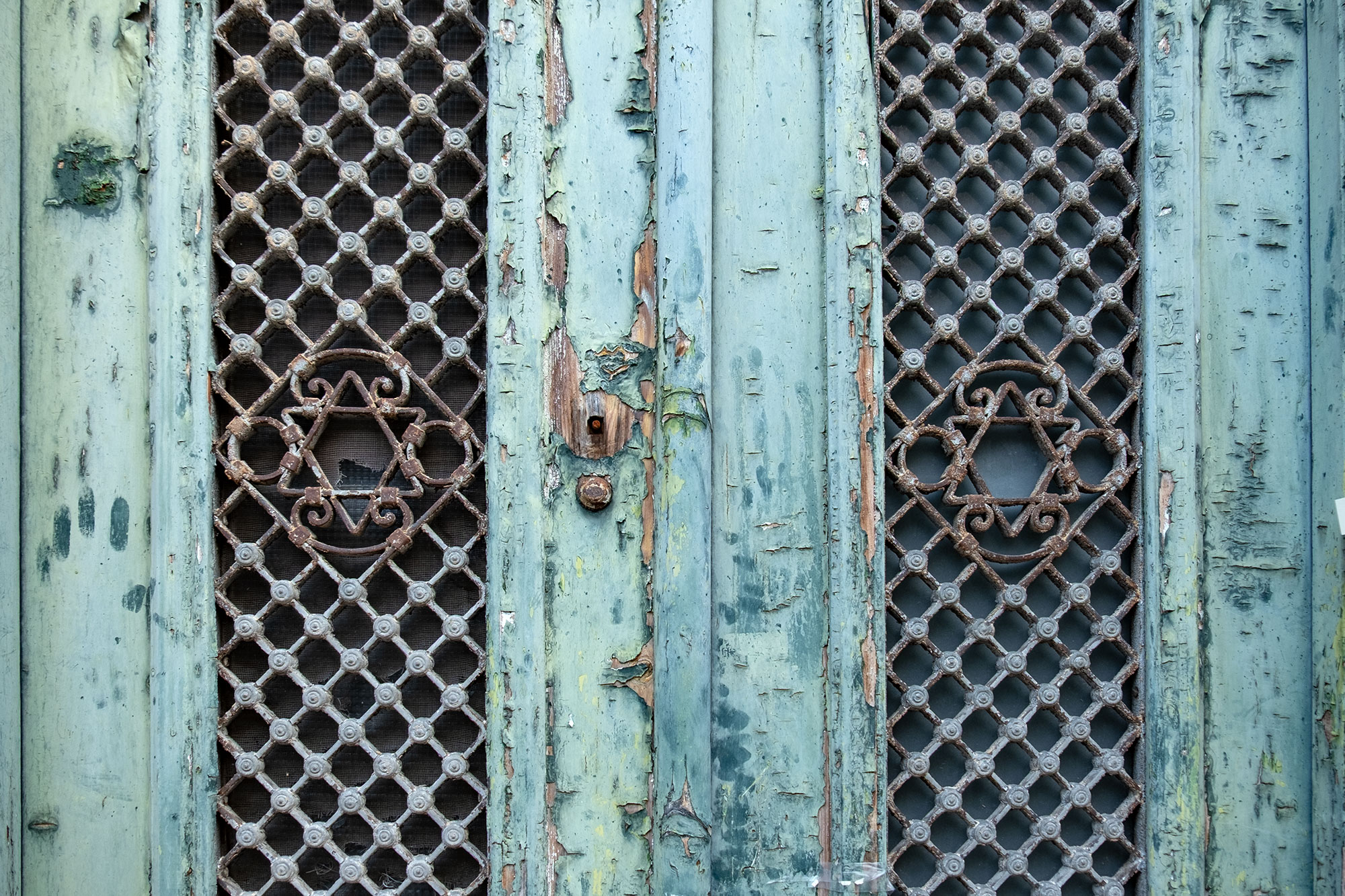
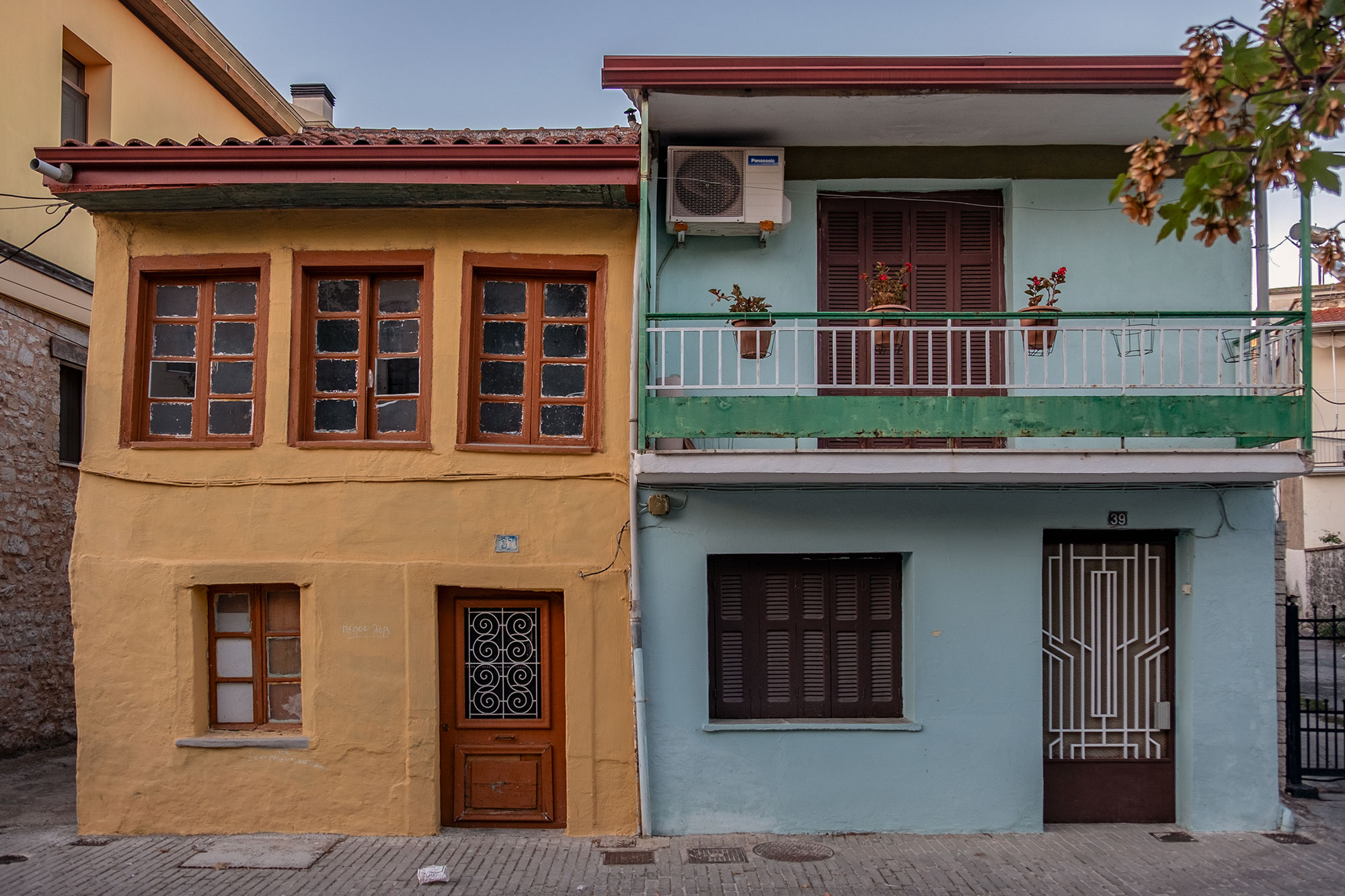
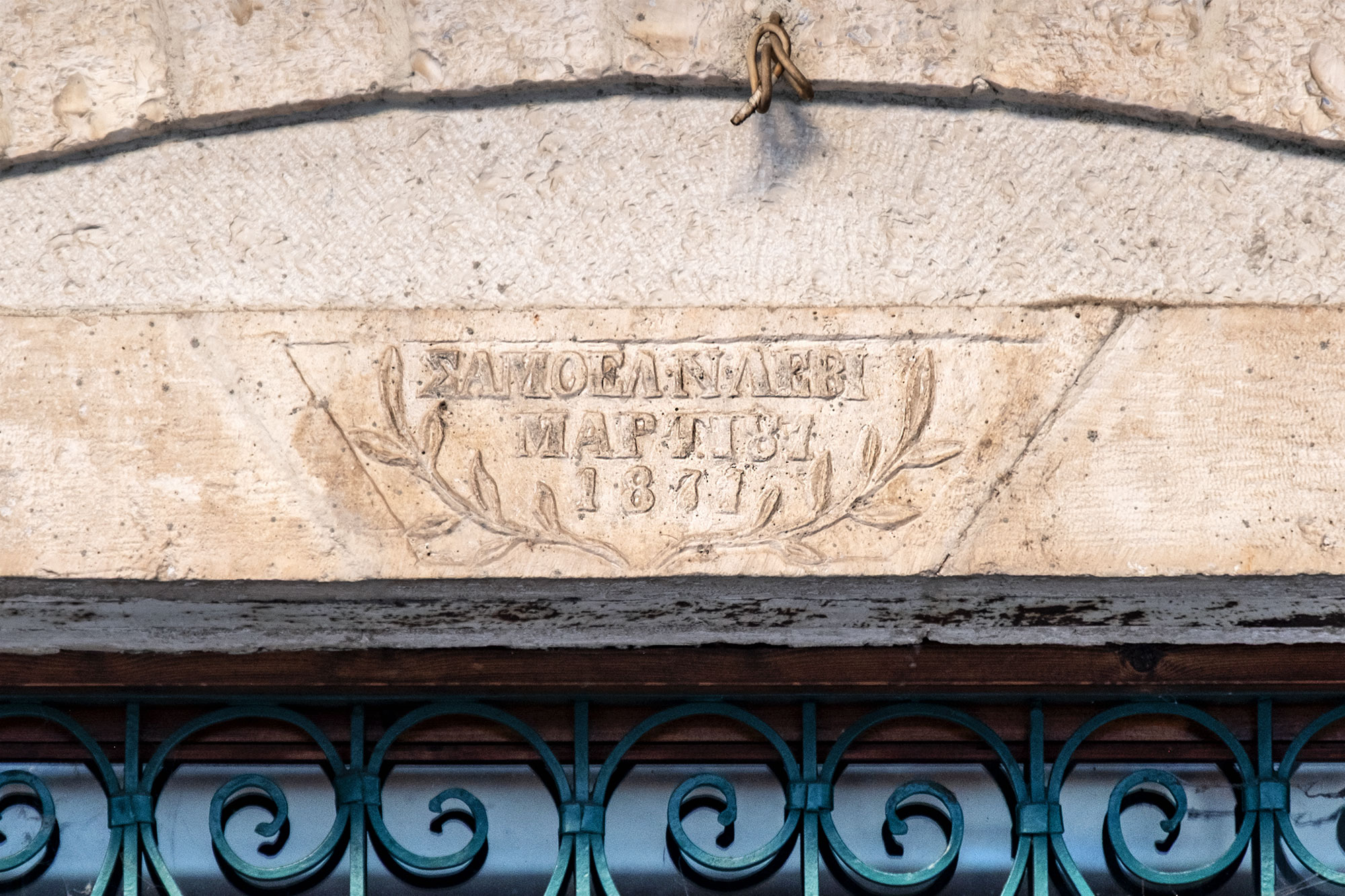
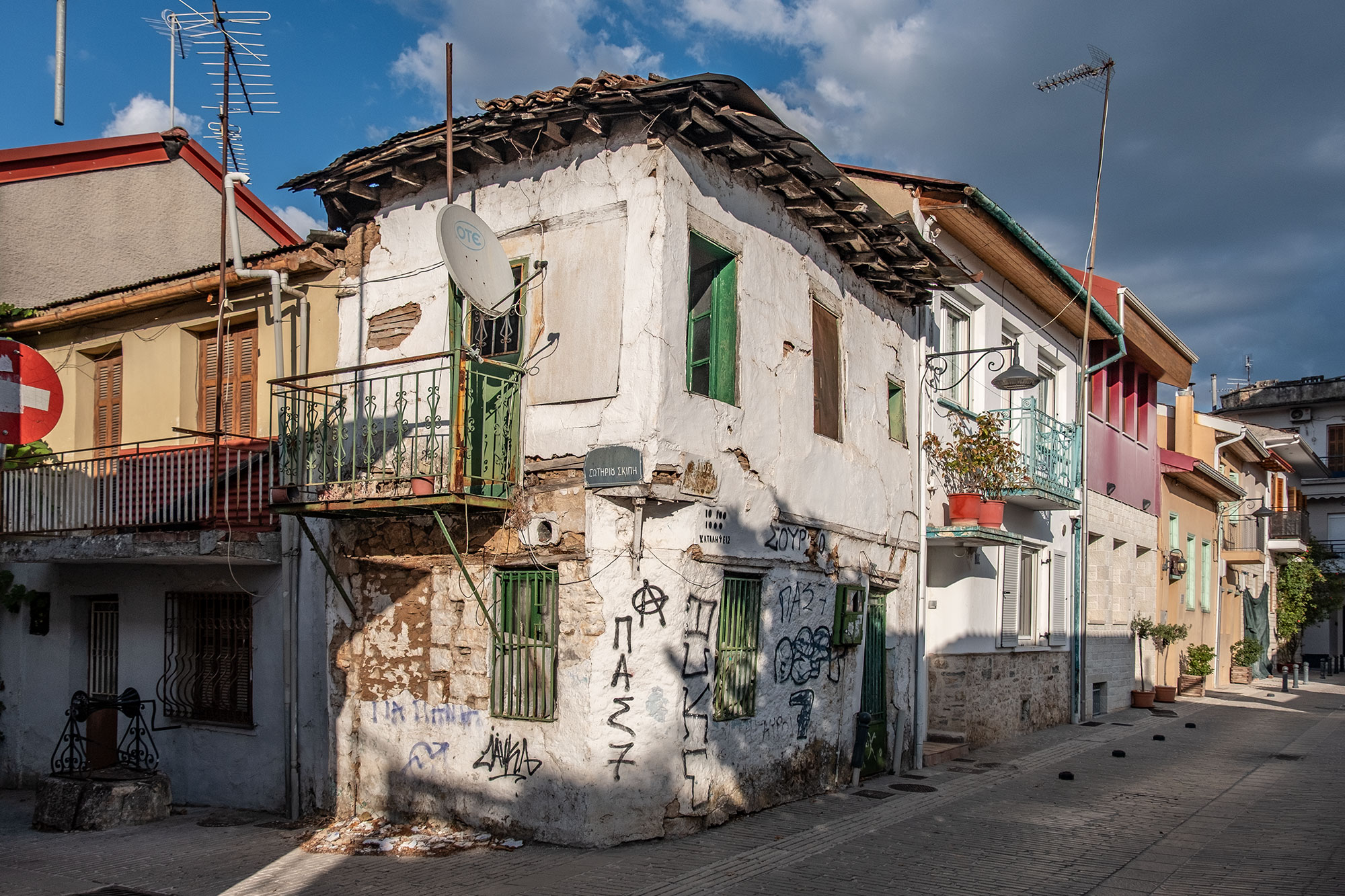
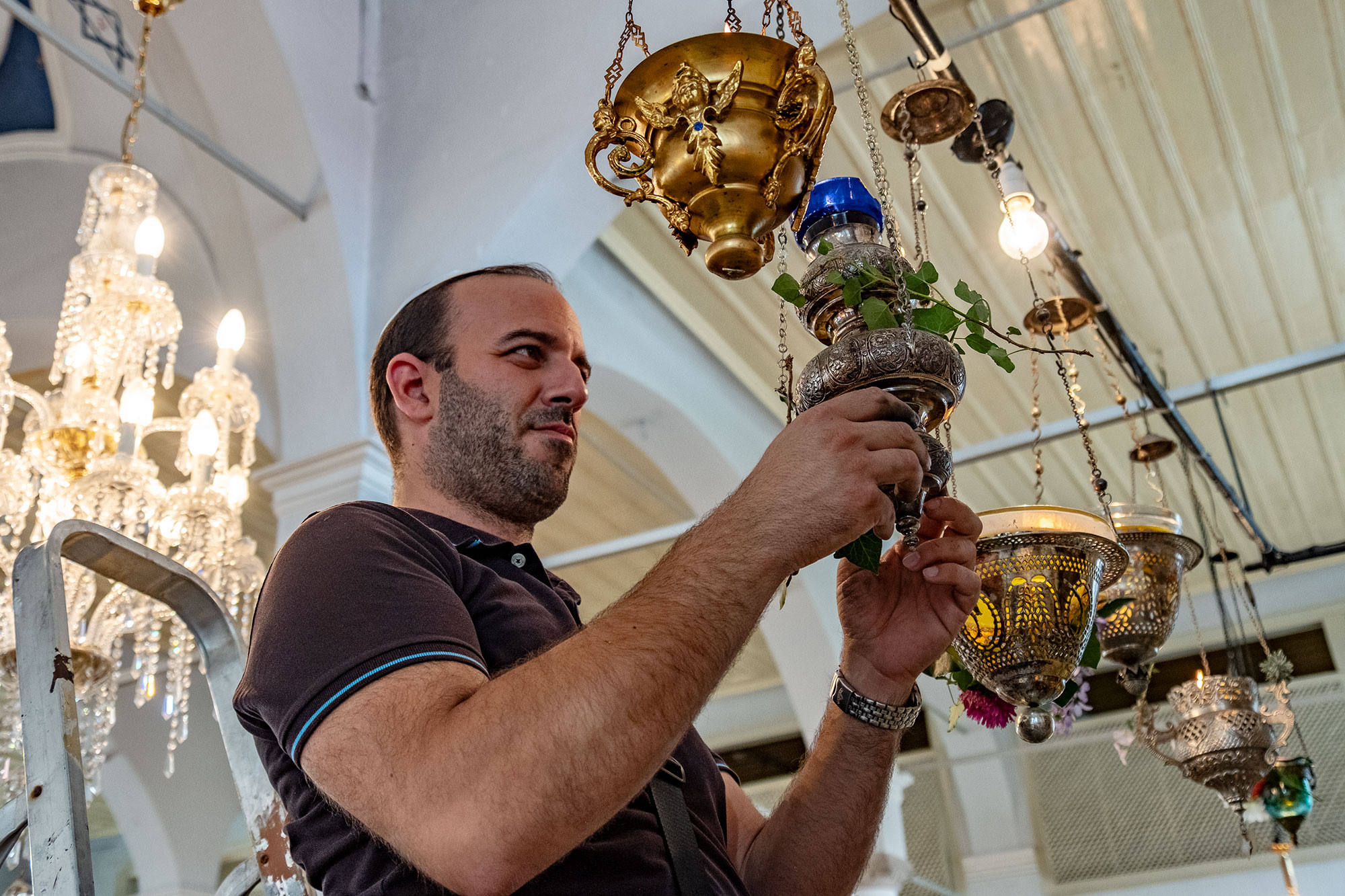
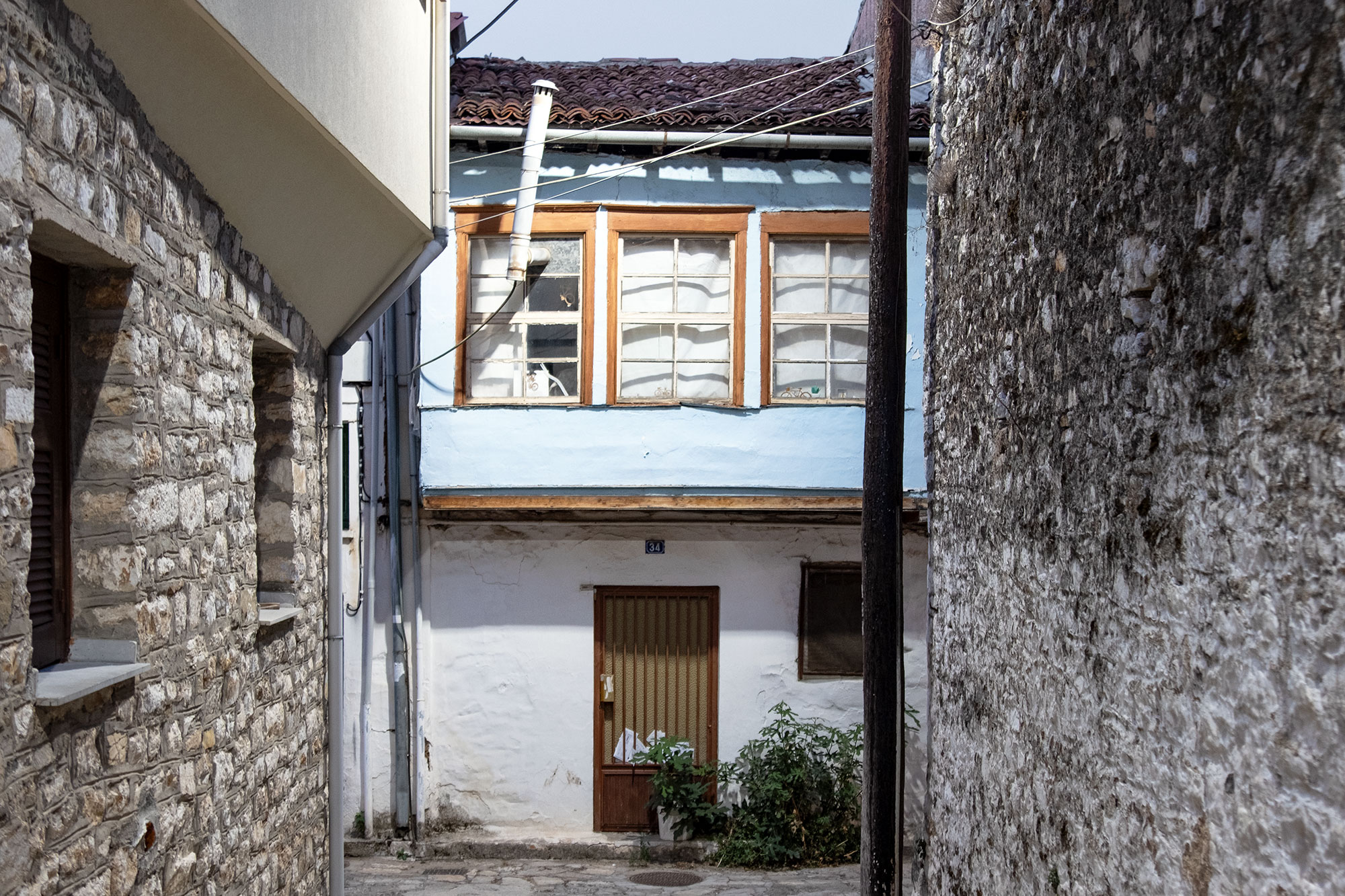
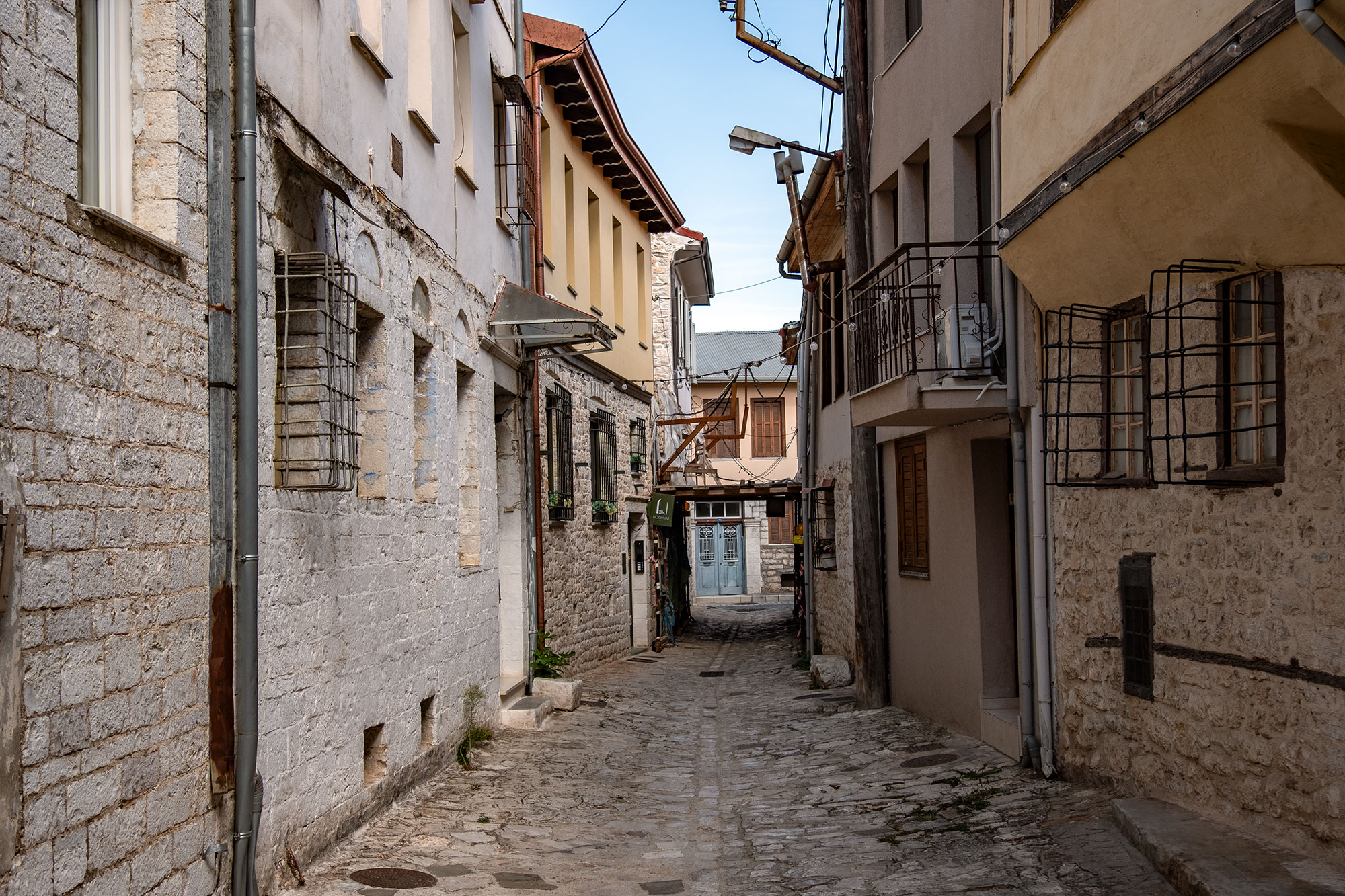
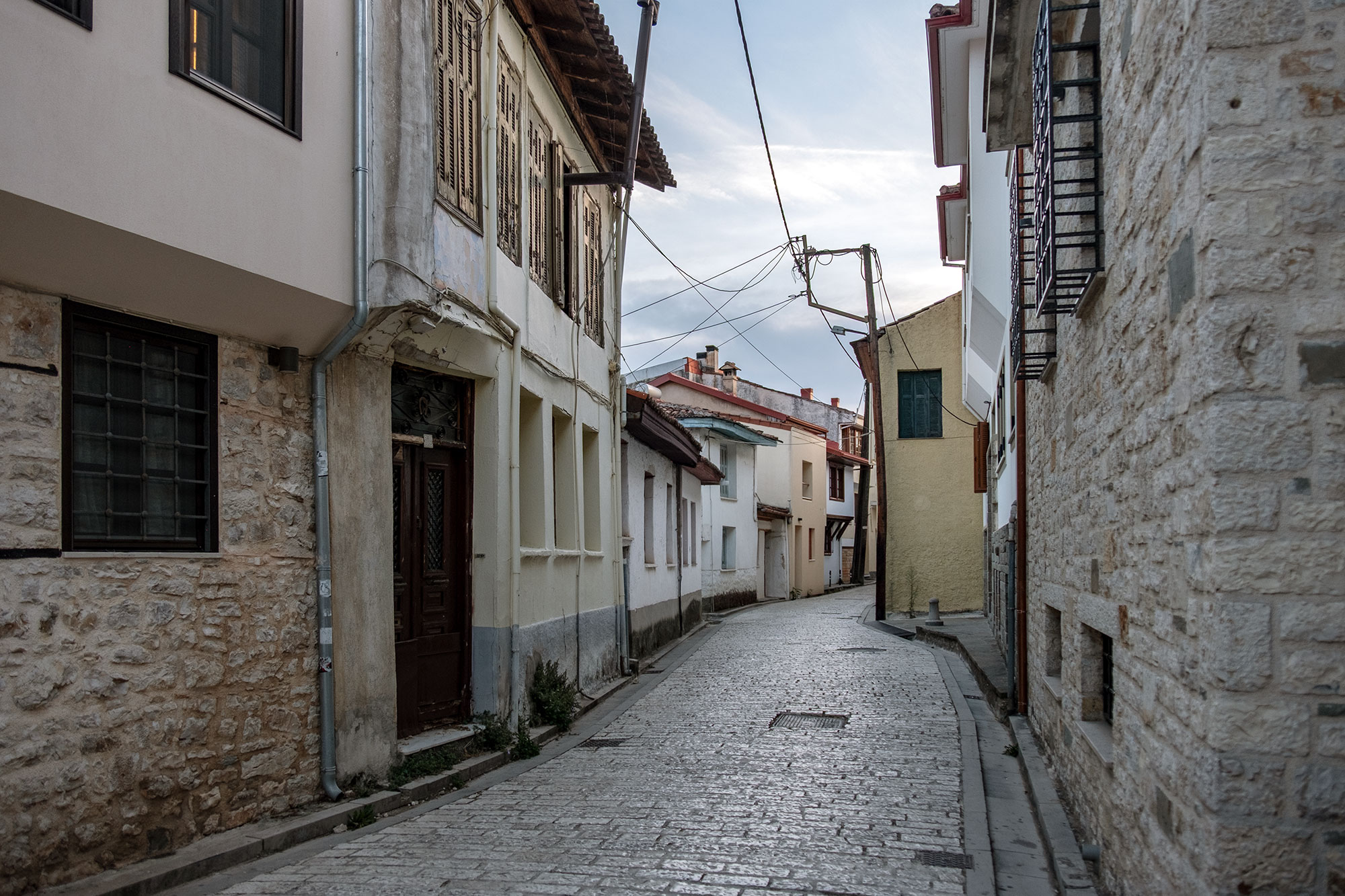
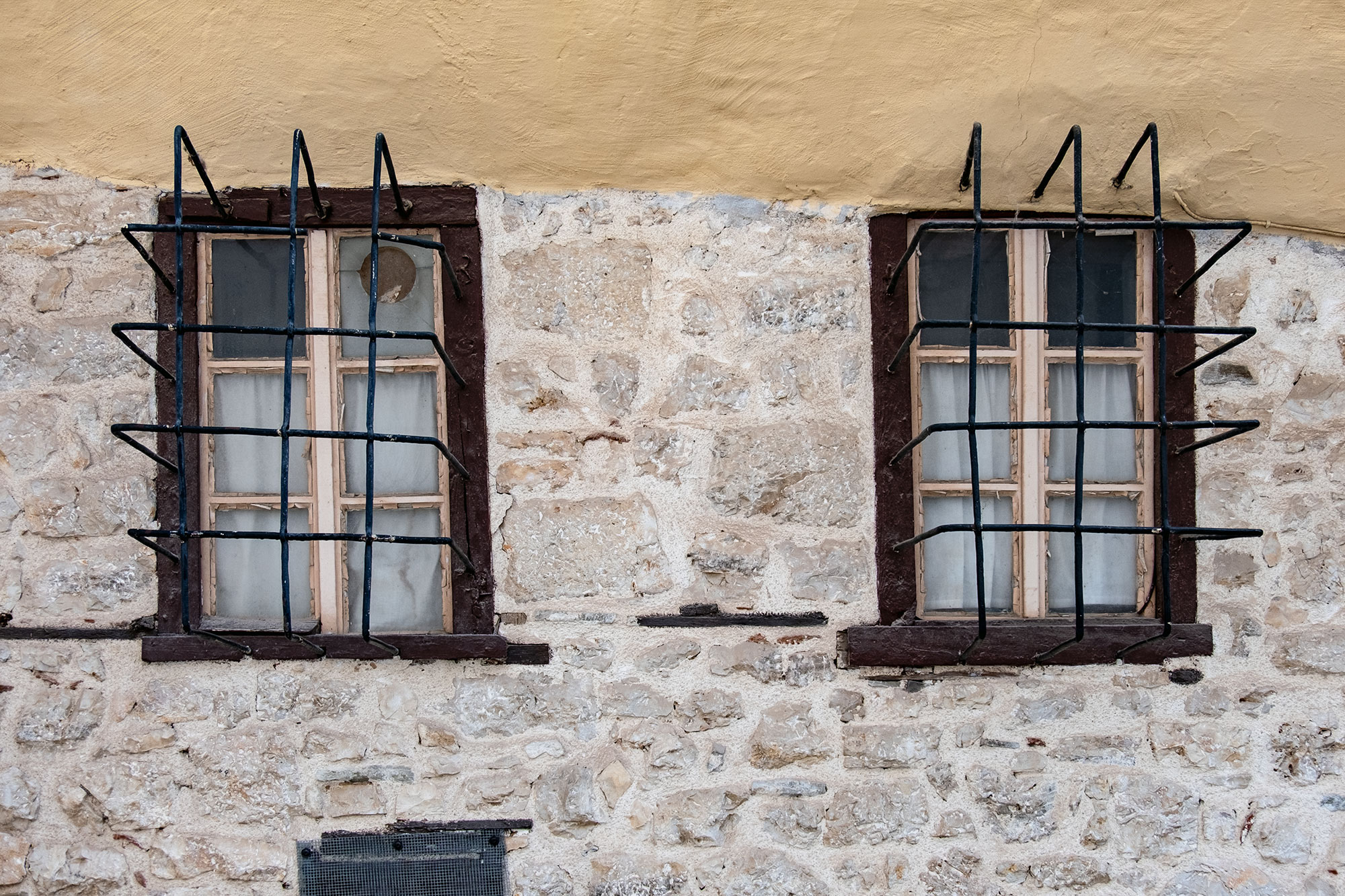
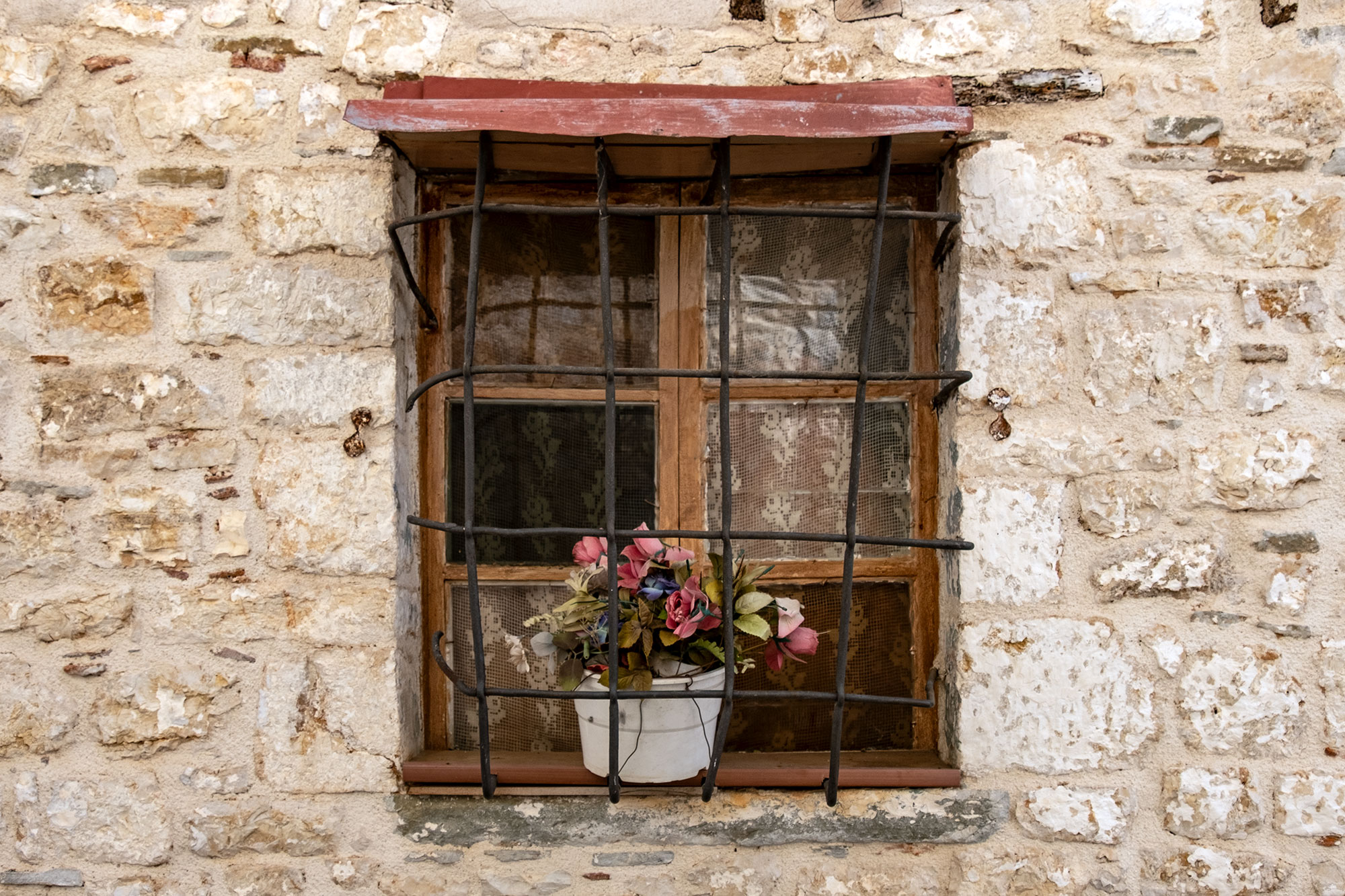
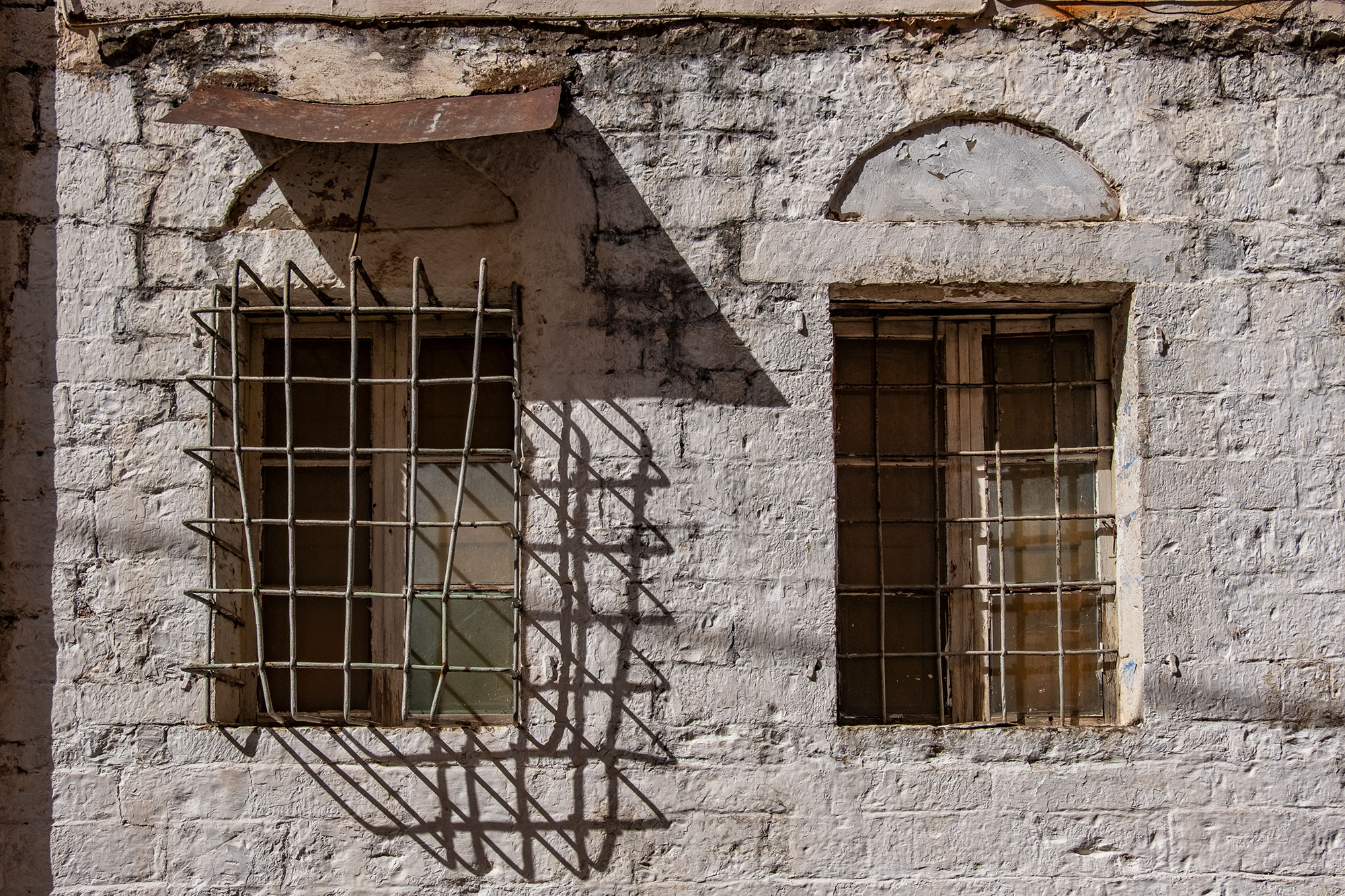
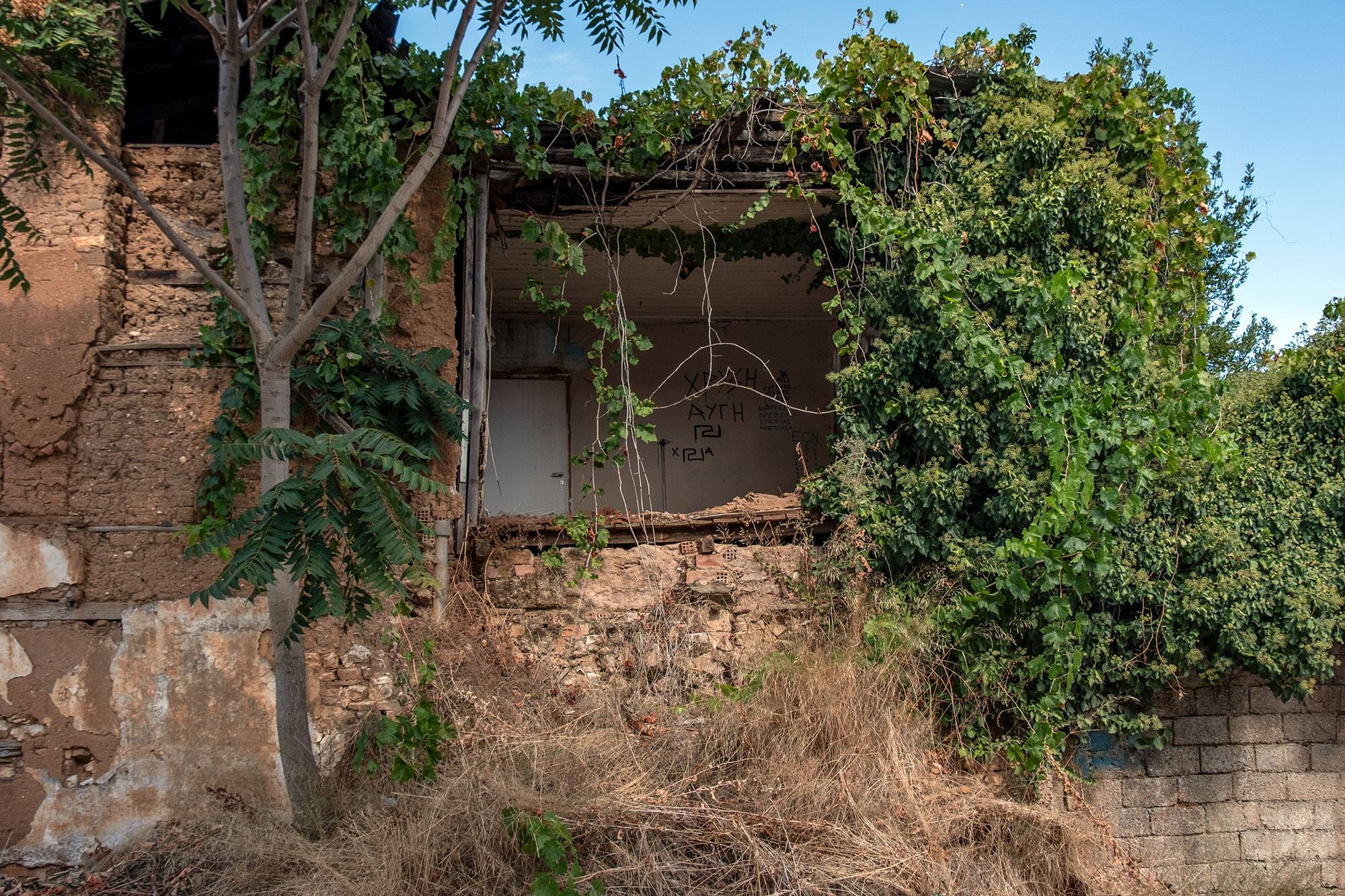
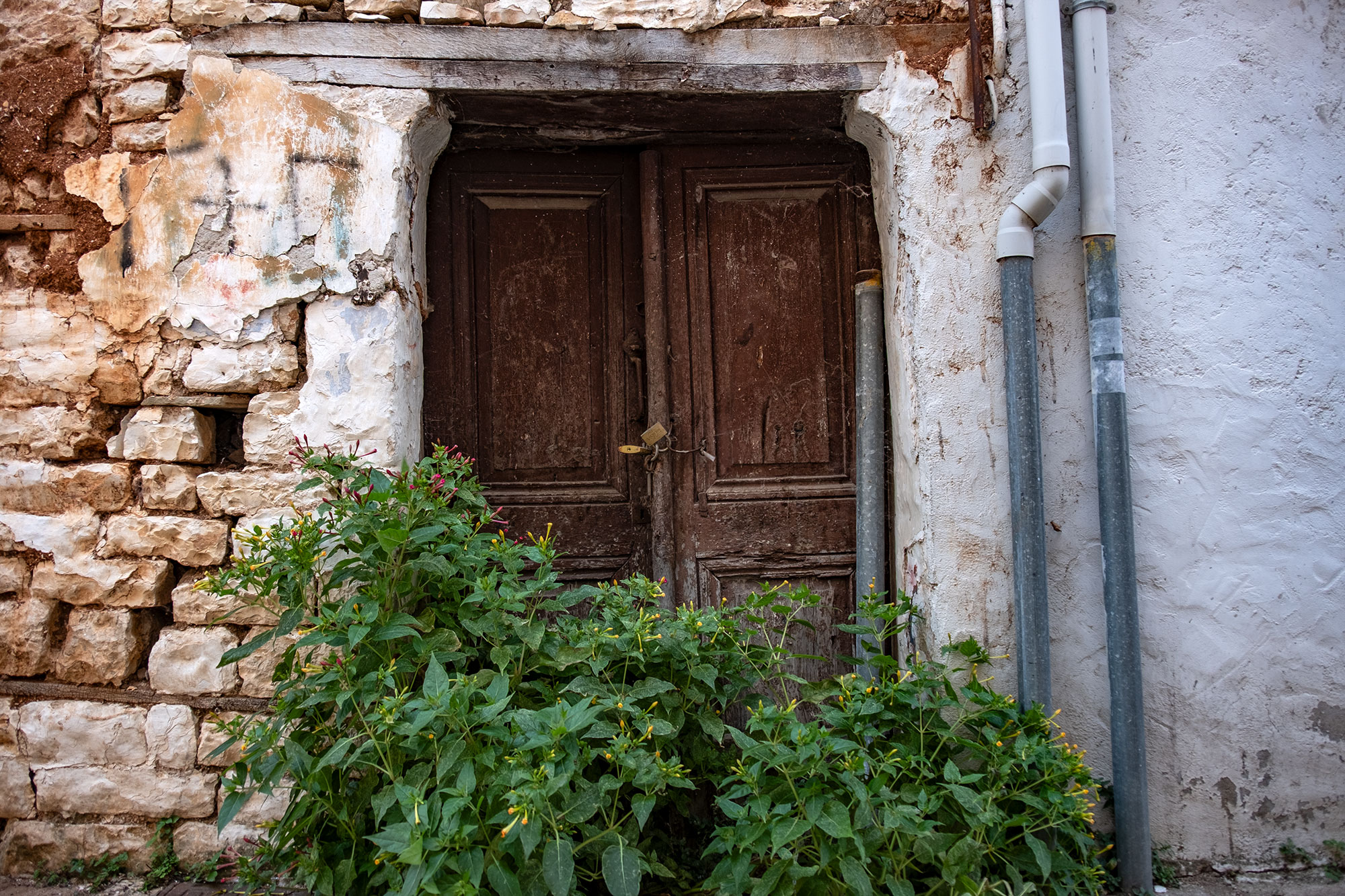
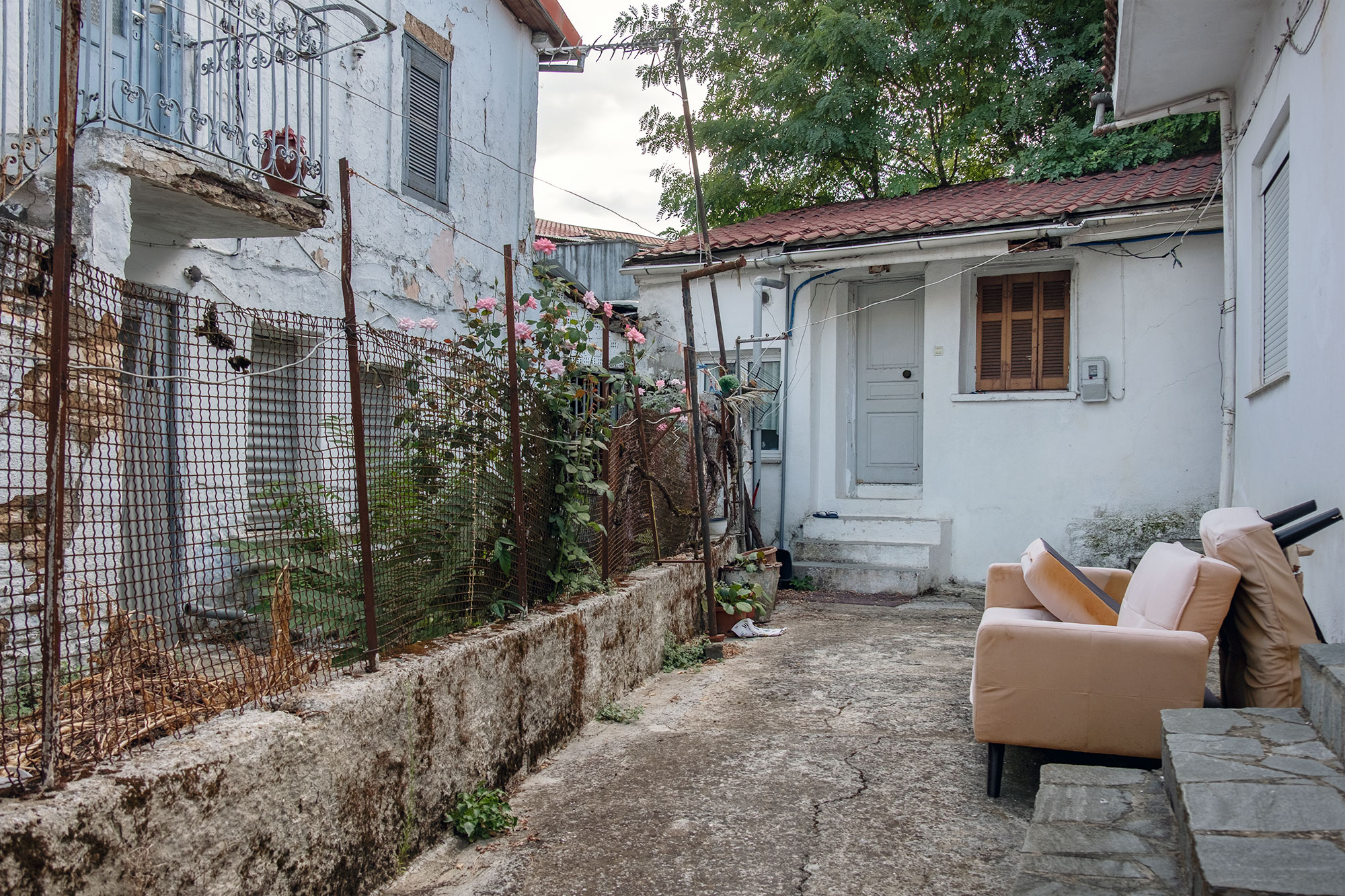
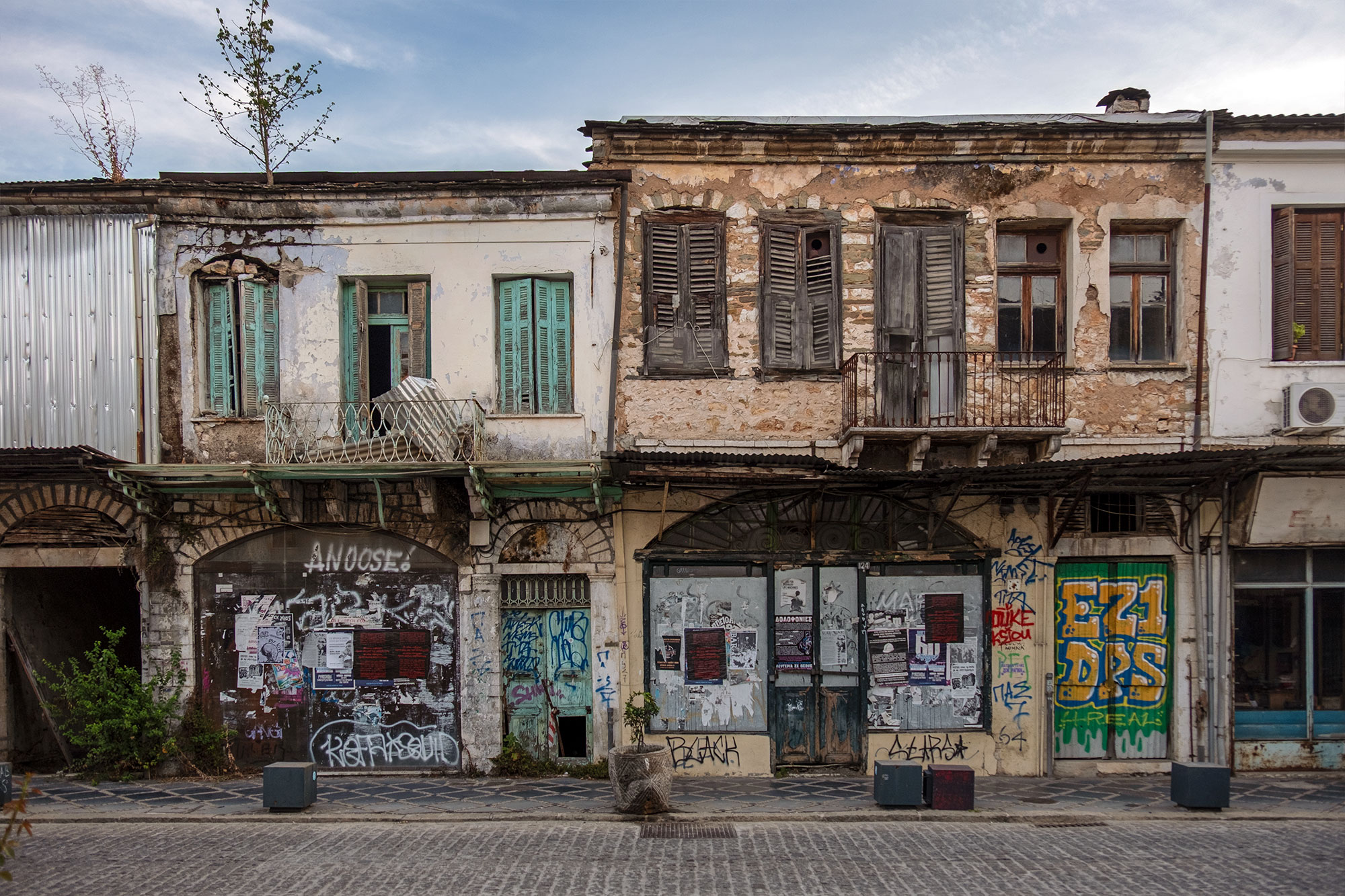
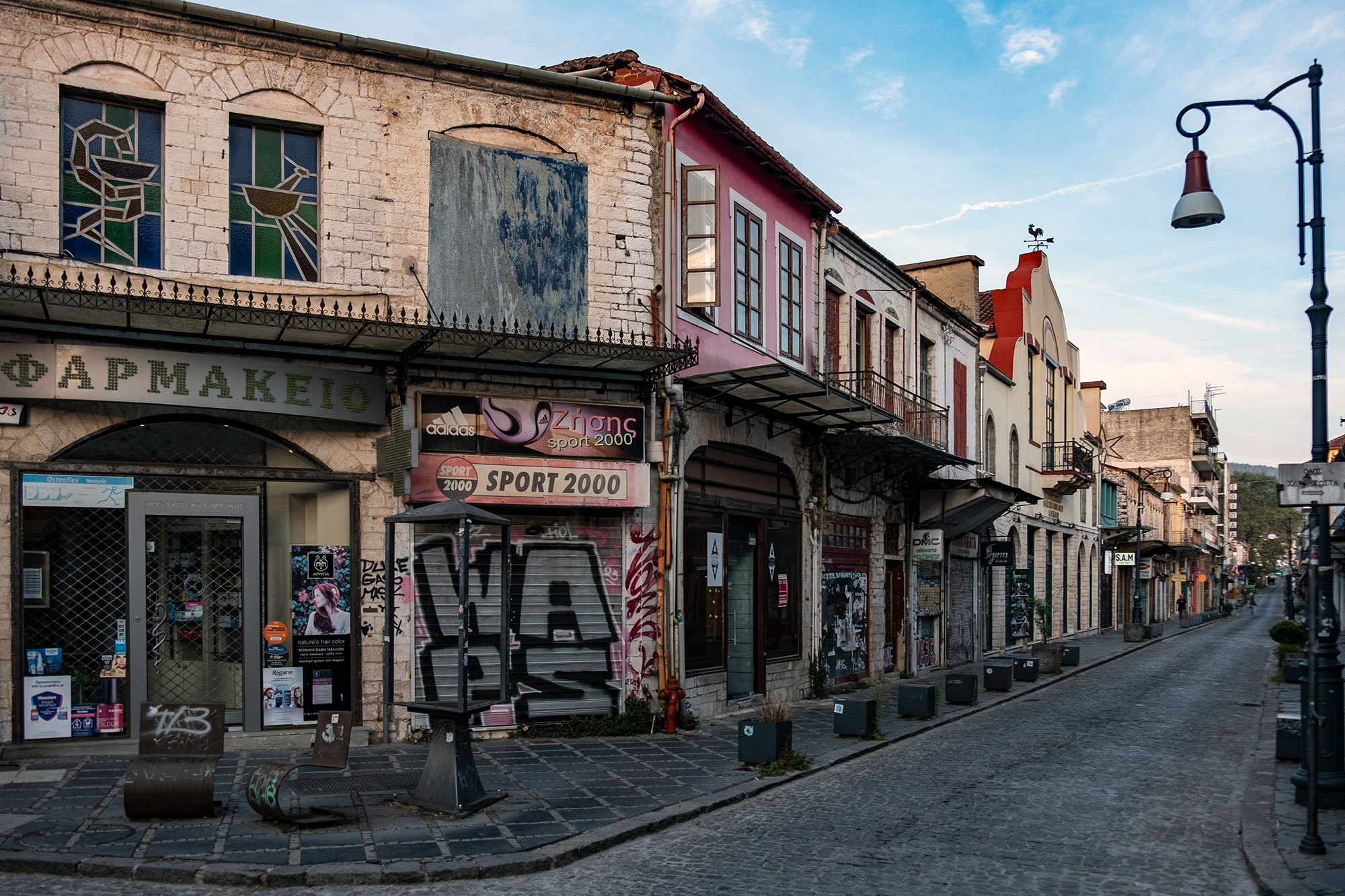
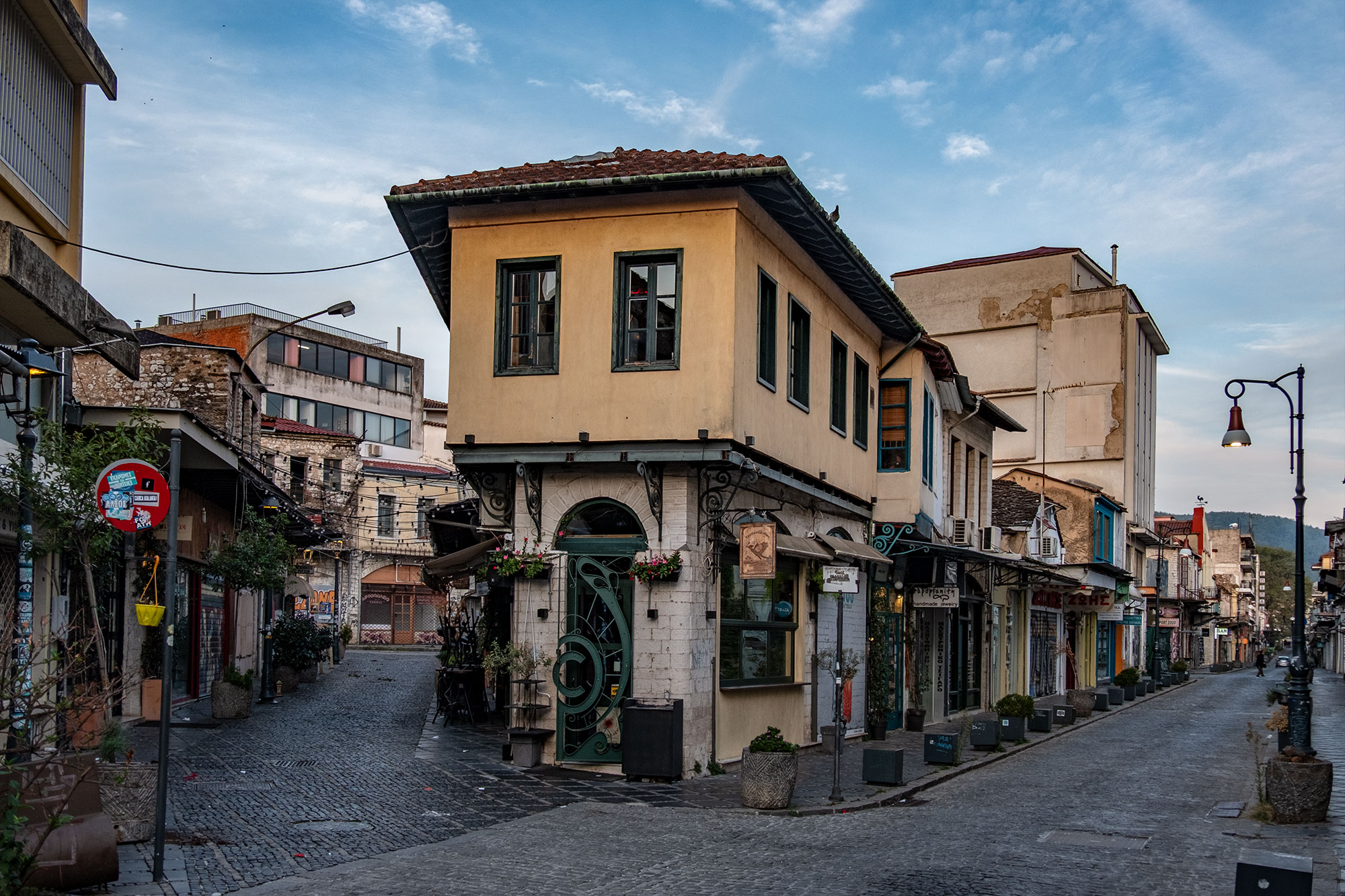
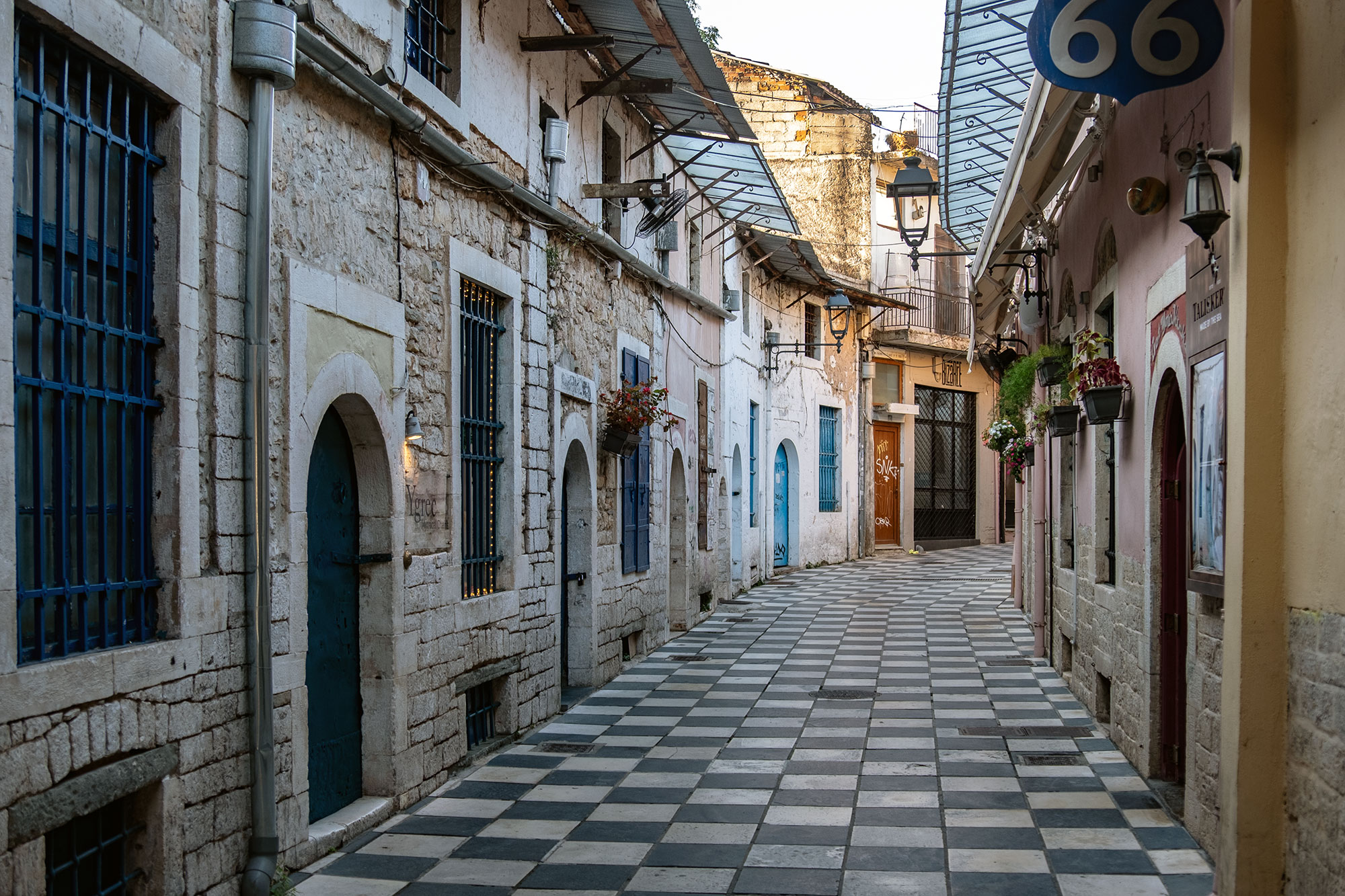
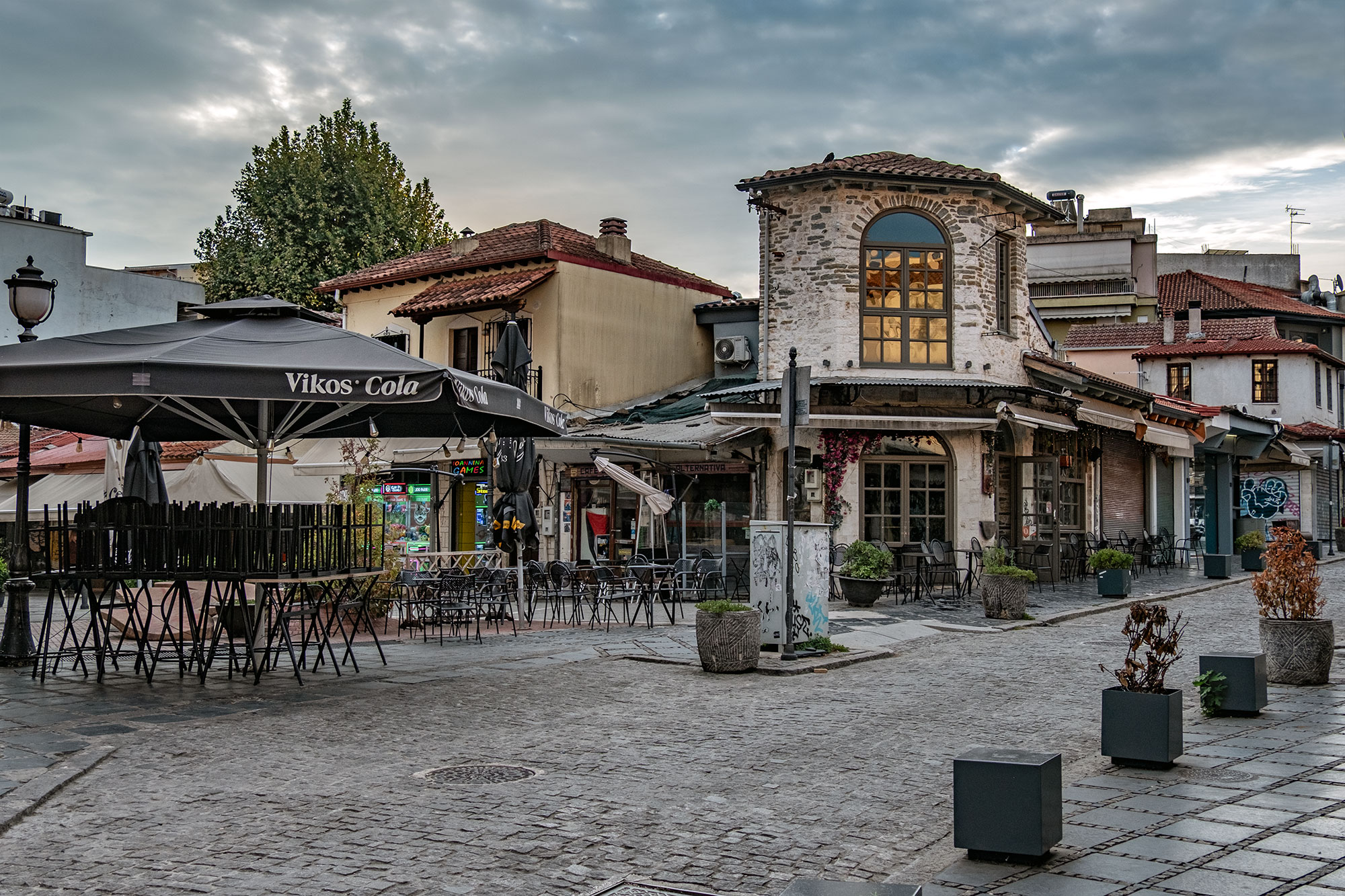
I remember the first trip to Ioannina in 1980 very well. Not only because it was one of the first trips I took without my parents, but also because it almost ended in tragedy. I was travelling with school friends; for most of us, the stop in Ioannina was merely a stopover on the way to Igoumenitsa, from where the ferries sailed to Italy. From Brindisi or Bari, there were trains to Bologna and Milan, and from there on to Germany. This way of travelling was affordable for us; flying was an unaffordable luxury. Our small group had made the most of the full six weeks of the summer holidays. We’d been travelling around Greece with rucksacks and tents and had spent weeks lazing about on a secluded beach on Euboea. Our friend Georg was suffering from the temporary separation from his girlfriend caused by the trip, and because we eventually couldn’t bear his whingeing any longer, we agreed to bring our return journey forward by a few days.
Two days after our return, on the morning of 2 August 1980, a bomb exploded at Bologna railway station, killing 85 people and seriously injuring 200. The perpetrators were Italian neo-fascists with links to the Italian military intelligence service. According to our original travel plans, we would have had to change trains in Bologna at the time of the attack. Perhaps Georg’s longing for his girlfriend saved our lives back then.
That is why I remember the year of that trip so well. But there were other reasons too. My grandfather’s family originally came from Epirus. I used the trip to trace my family’s roots in the mountains of Suli. The maps available at the time did not show the villages I was looking for – only a ‘Mountain of Suli’. Even at the tourist information office in Ioannina, a friendly lady merely shrugged her shoulders and advised me to head to Paramithia first and ask again there. I followed her advice and found what I was looking for, but I was forced to stay the night, leaving my friends in a state of uncertainty and growing despair. This resulted in a falling-out that didn’t last too long.
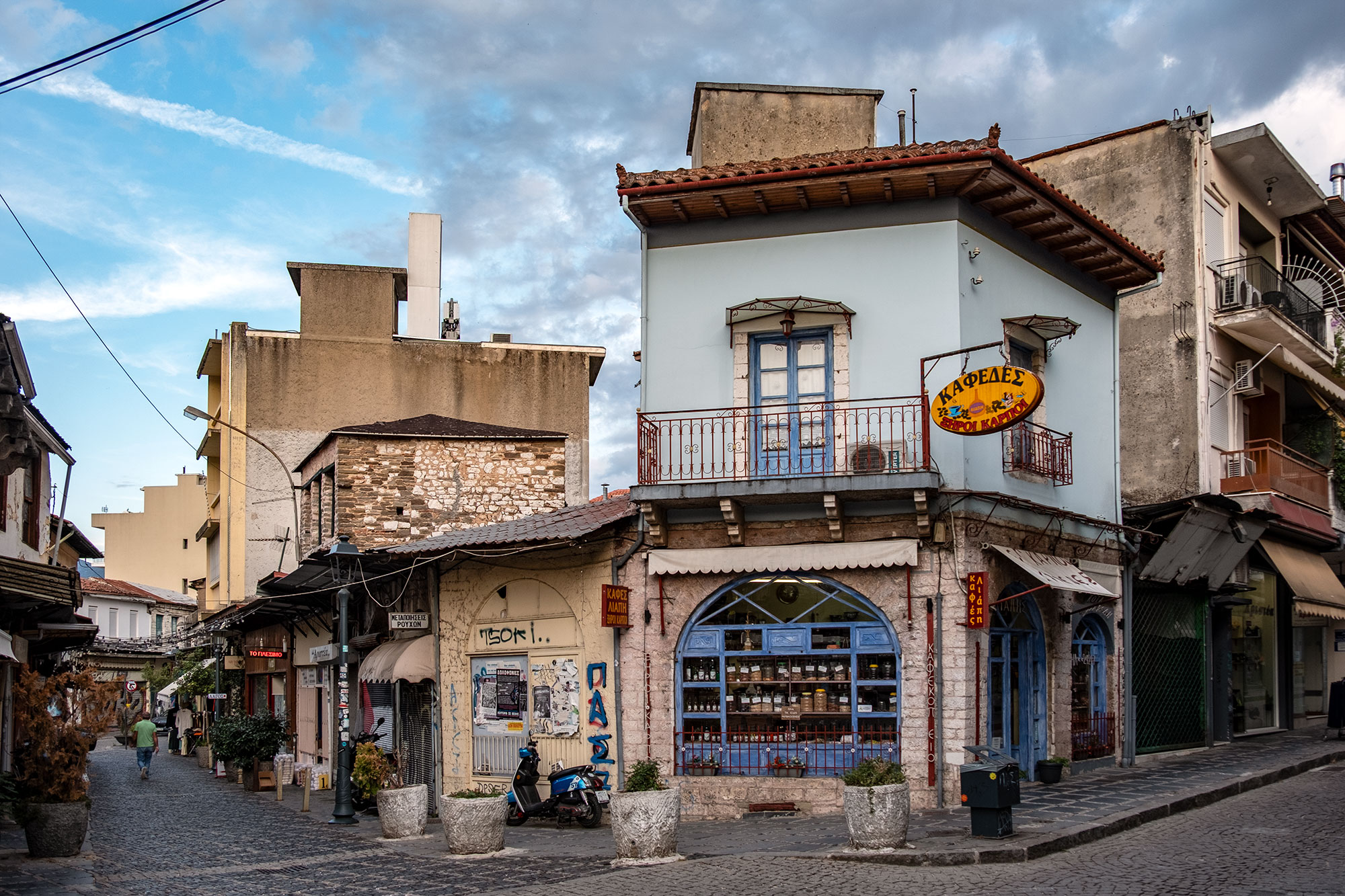
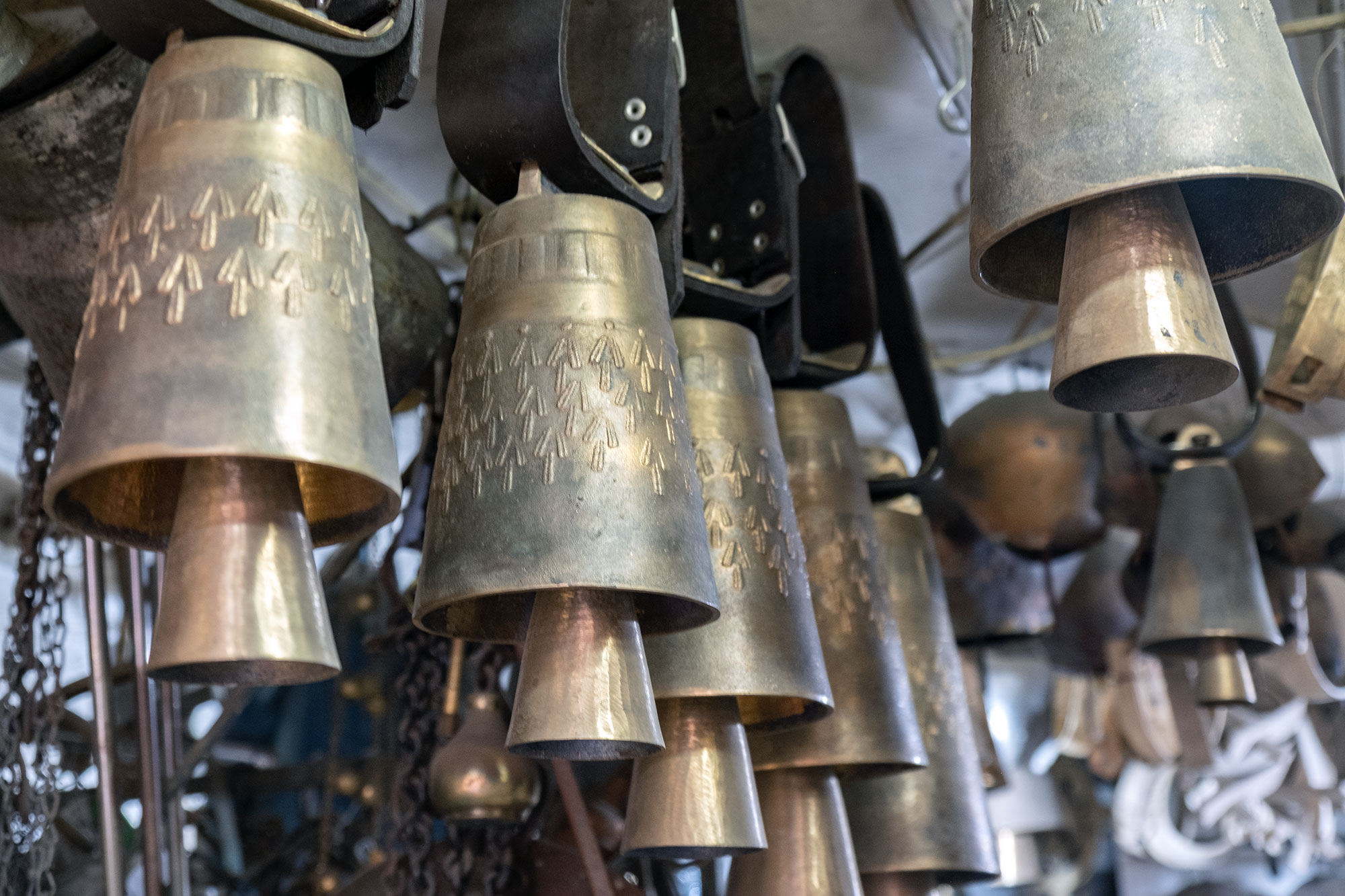
And then there was Ioannina itself. My ancestors had, at times, lived at the court of Ali Pasha – the Ottoman ruler of much of western Greece, feared by some and admired by others. At times it was a peaceful coexistence; at others, a bloody war that lasted for years. This history drew me in, but it was not the only reason for my fascination with Ioannina. As a young person who loves to create things with my hands, I was irresistibly drawn to the bazaar. This was not just a place of trade; it was also a place of production. There were workshops producing bells for the herds of shepherds and nomads; coppersmiths crafted large cauldrons for cheese-making; and tools for domestic use and agriculture were manufactured – knives, scissors and hoes. At the bazaar, you could buy donkey saddles and, of course, there were the famous silversmiths. There were even woodcarvers who crafted iconostases and furniture for the churches. The bazaar was a place of constant tapping and hammering from the workshops and a bustling crowd buying and selling. Farmers and shepherds came from the surrounding mountain villages, selling their fruit, vegetables and dairy products, and buying what was not available in their own villages. All that is now a thing of the past. Upon joining the EU, Greece was catapulted into the global economy at breakneck speed. The small workshops in Ioannina were no match for this. During my most recent trip, I spoke to Master Marinos, the last bell-maker in Ioannina. “If we shut down, there might be no one to carry on after me,” he told me.
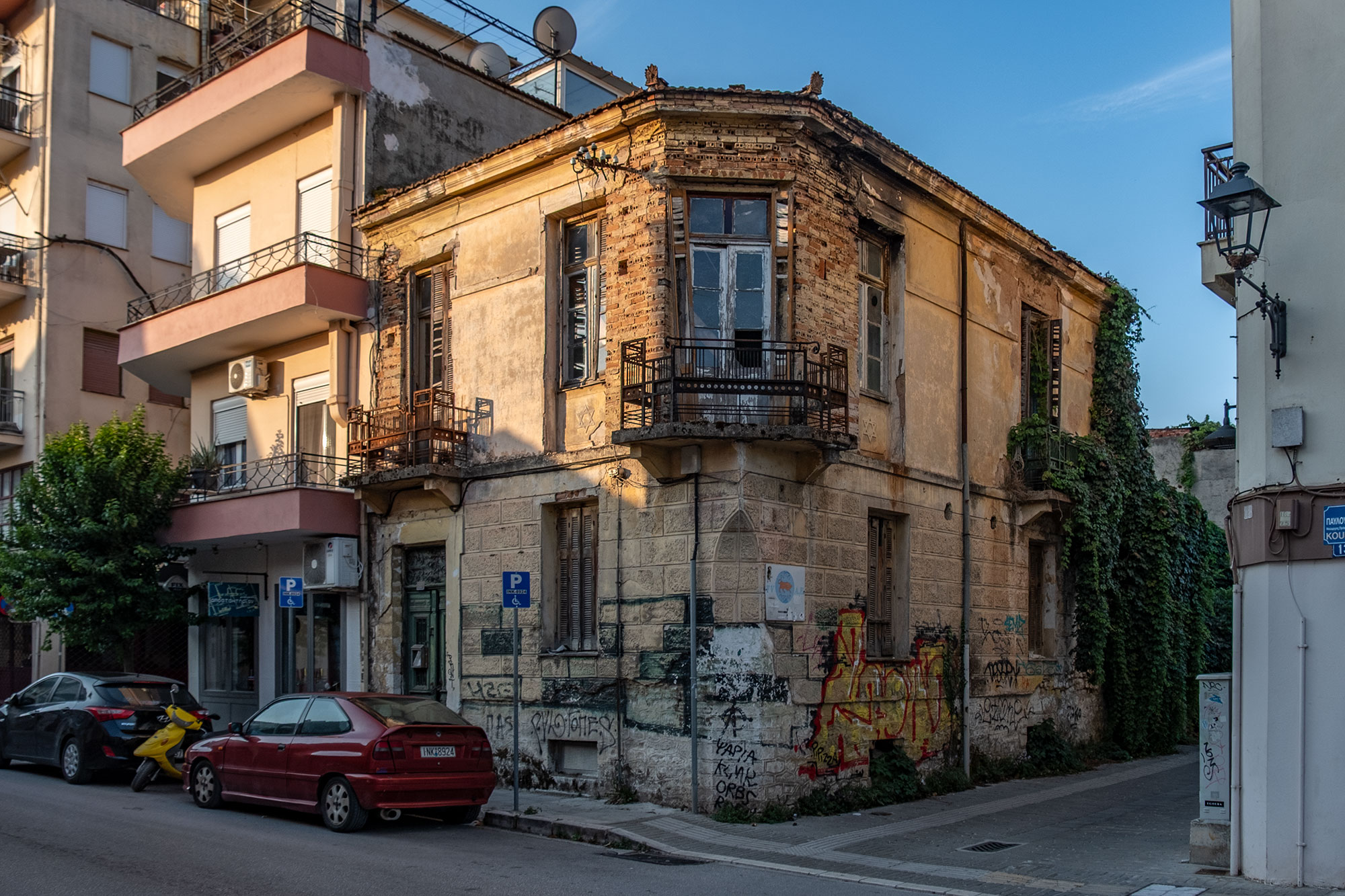
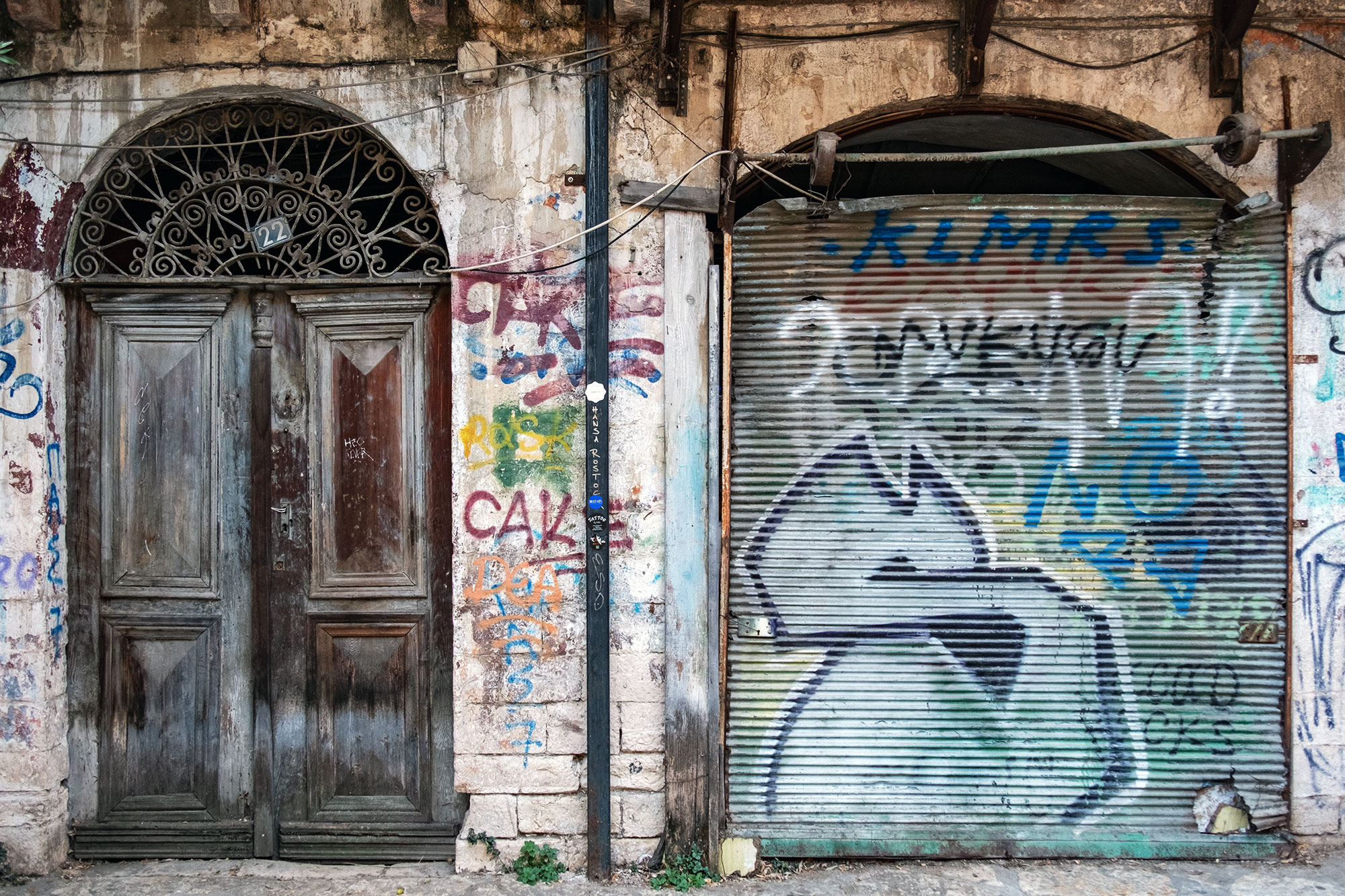
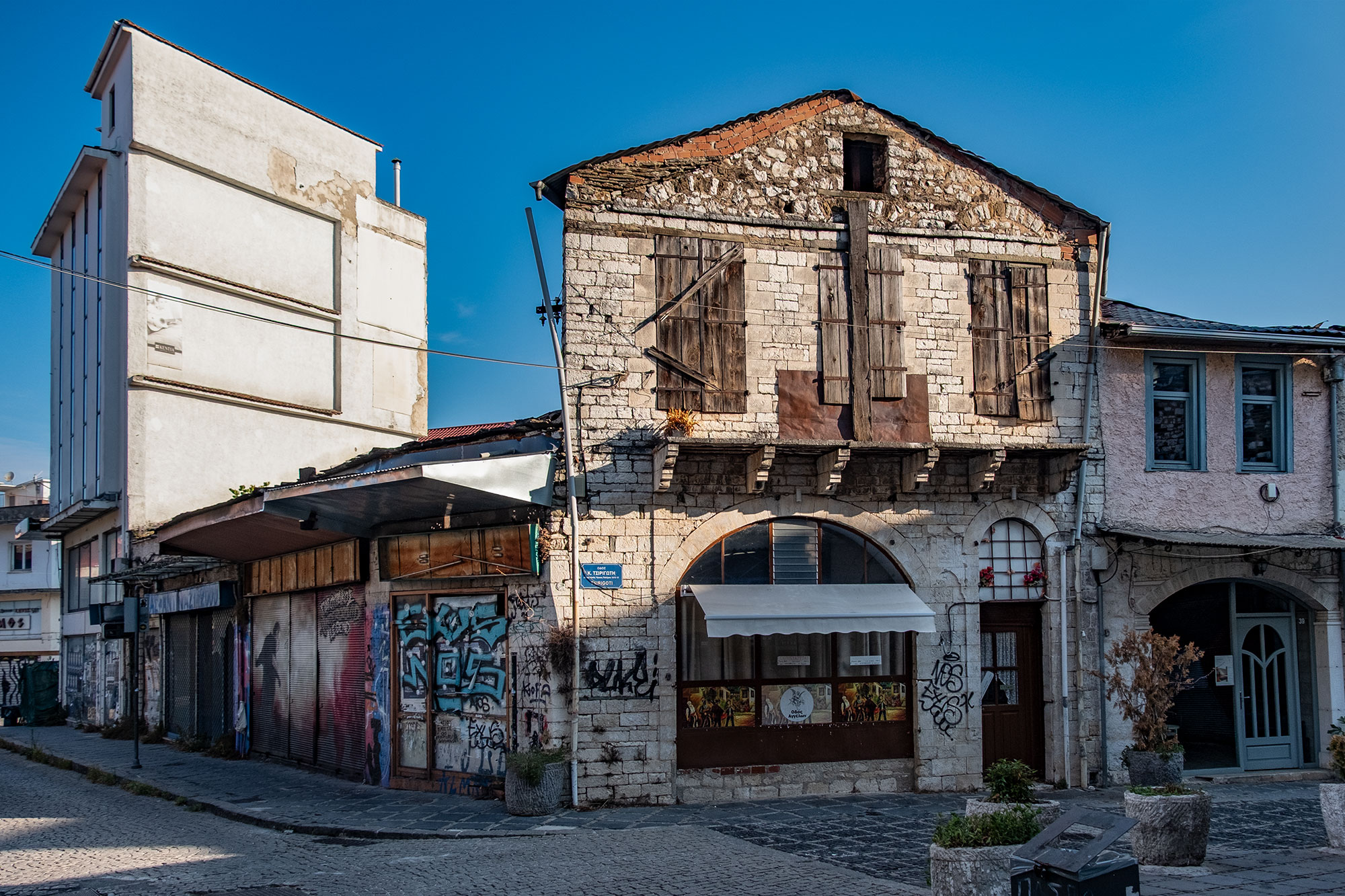
In 1980, I was young and stupid. I didn’t know that Ioannina also had a long Jewish history. I’d never heard of the deportation of the Jews from Ioannina to Auschwitz. I knew nothing of the massacres perpetrated by the German Wehrmacht and its collaborators amongst the civilians in the surrounding mountain villages. It must have been in the 1990s, or perhaps even later, that I found myself standing in front of an old house in the old town, which was abandoned and on the verge of collapse. I looked at it for a long time, and this must have aroused the interest of an old man, who eventually spoke to me. “That was a Jewish house; now we use it,” he told me.
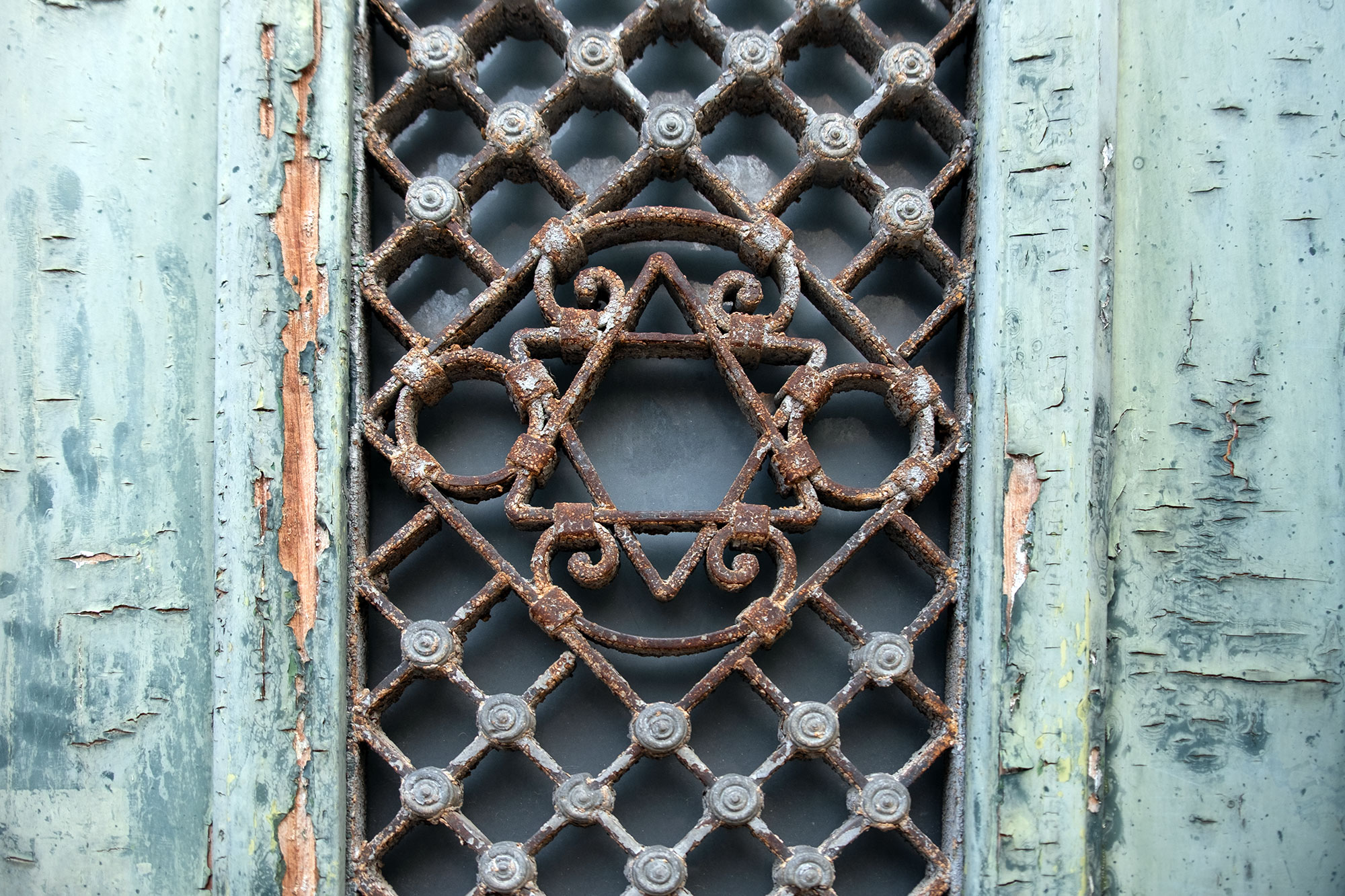
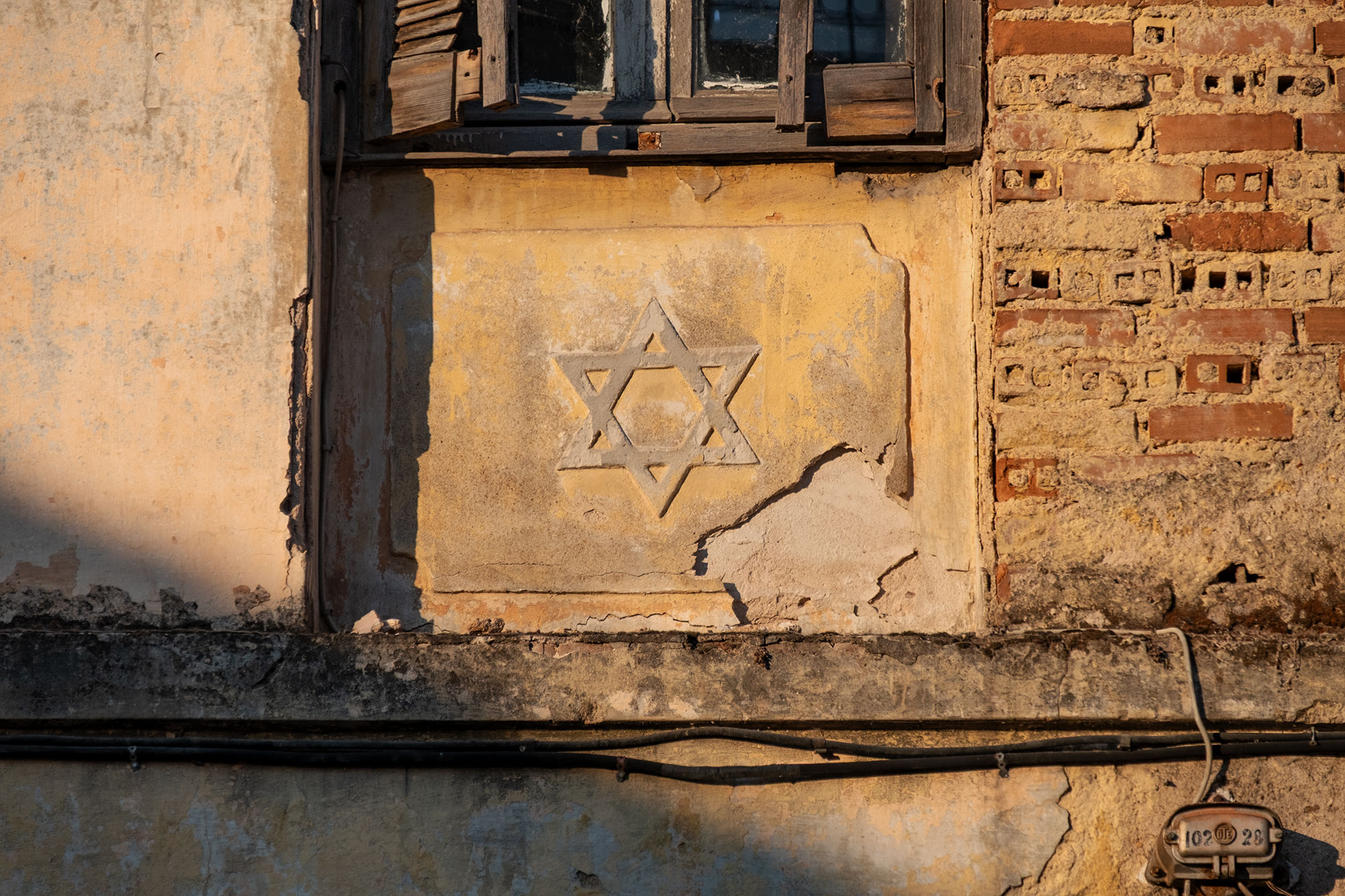
Ever since then, I have seen Ioannina in a different light, and my knowledge has grown with every visit. I have become more familiar with the former Jewish neighbourhoods both inside and outside the city walls. I discovered that there is still an active synagogue; I found door and façade decorations that bear witness to the Jewish heritage. I saw the Hebrew inscriptions on the lintels. In 2016 – ten years ago – I happened upon a Yom Kippur service in the synagogue quite by chance. Descendants of Jews from Ioannina had come from all over the world to commemorate their shared heritage. And with every further visit, my knowledge grows and my local contacts increase. First and foremost, I must mention the patient Allegra Matsa, from whom I have learnt a great deal and who opened the doors of the synagogue to me. My learning journey is not yet over, and perhaps a photo book will emerge from these many trips. I do not yet know where this ‘adventure’ will take me, but the next trips are already planned.

This work is licensed under a Creative Commons Attribution-NonCommercial-NoDerivatives 4.0 International License.


Thank you.